
In the world of event catering, exceptional food presentation is a powerful tool that transforms a meal from mere sustenance into a memorable, multi-sensory experience. Beyond taste, the visual appeal of a dish—through thoughtful plating, creative garnishes, and strategic serving vessels—sets the tone, elevates perceived value, and engages guests from the moment they approach the table. This guide explores professional techniques and innovative ideas for elevating food presentation at your next event, helping you create stunning, Instagram-worthy displays that impress visually and delight gastronomically.
Food Presentation Techniques For Events That Wow Guests Every Time
What Catering Food Presentation Ideas Will Wow Guests at Your Events?
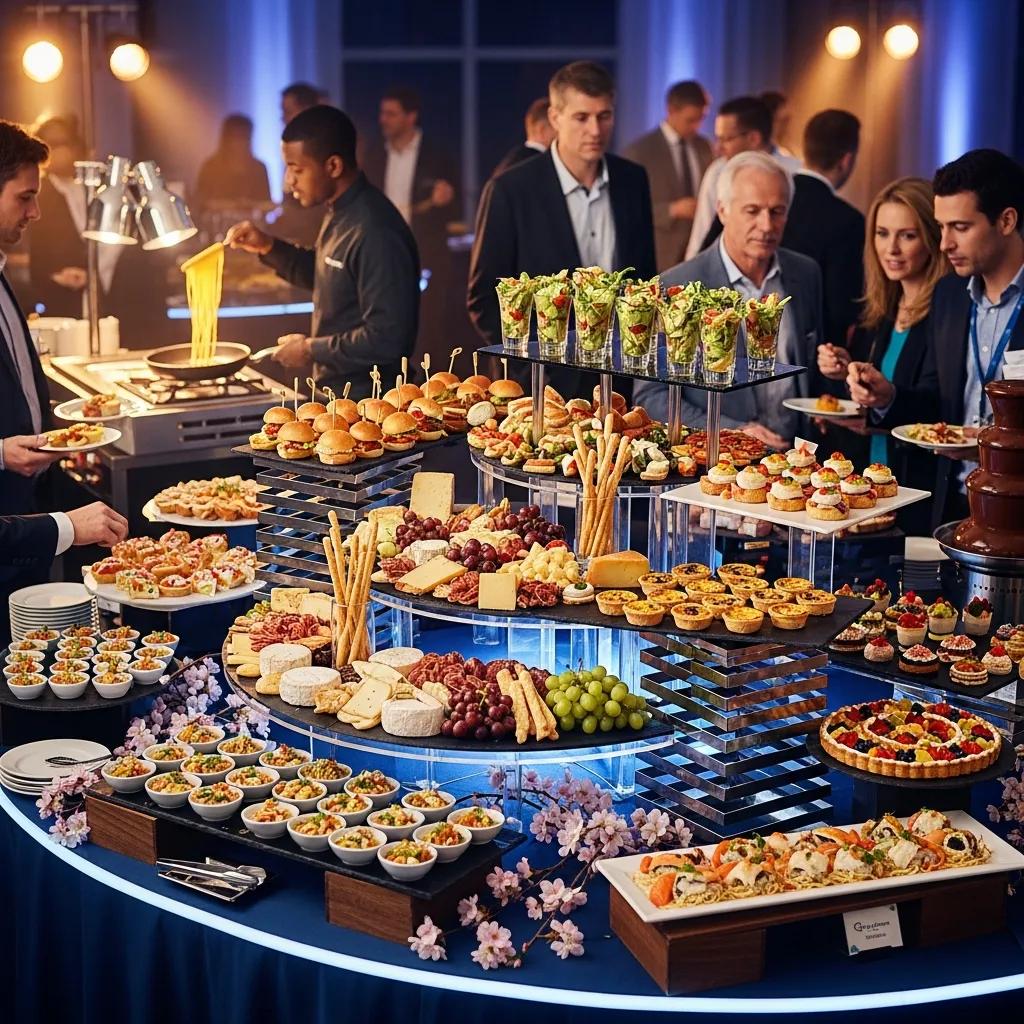
Strong food presentation is one of the quickest ways to make an event feel polished, even before guests take a bite. When the display looks intentional, the food reads as higher quality and the overall experience feels more thoughtful. The best presentations usually come down to a few basics done well: color contrast, clean serving lines, and arrangements that make it easy for guests to understand what they are picking up.
Start by thinking about the event’s theme and setting. A modern corporate event often looks best with simple, clean platters and a consistent palette. A wedding or milestone celebration may support a more layered, romantic look with flowers, textures, and softer shapes. Either way, aim for a cohesive style rather than trying to make every dish look like its own separate concept. When your serving dishes, linens, and garnishes complement each other, your food presentation will feel more professional without requiring extra effort.
Another essential is variety in shape and texture. Even a simple spread looks more interesting when you mix crisp elements with creamy ones, include bright produce alongside neutrals, and arrange items so the eye moves naturally across the table. Small details matter too, such as wiping platter edges, keeping serving tools consistent, and replenishing dishes before they look picked over.
How Does Creative Buffet Display Enhance Event Atmosphere?
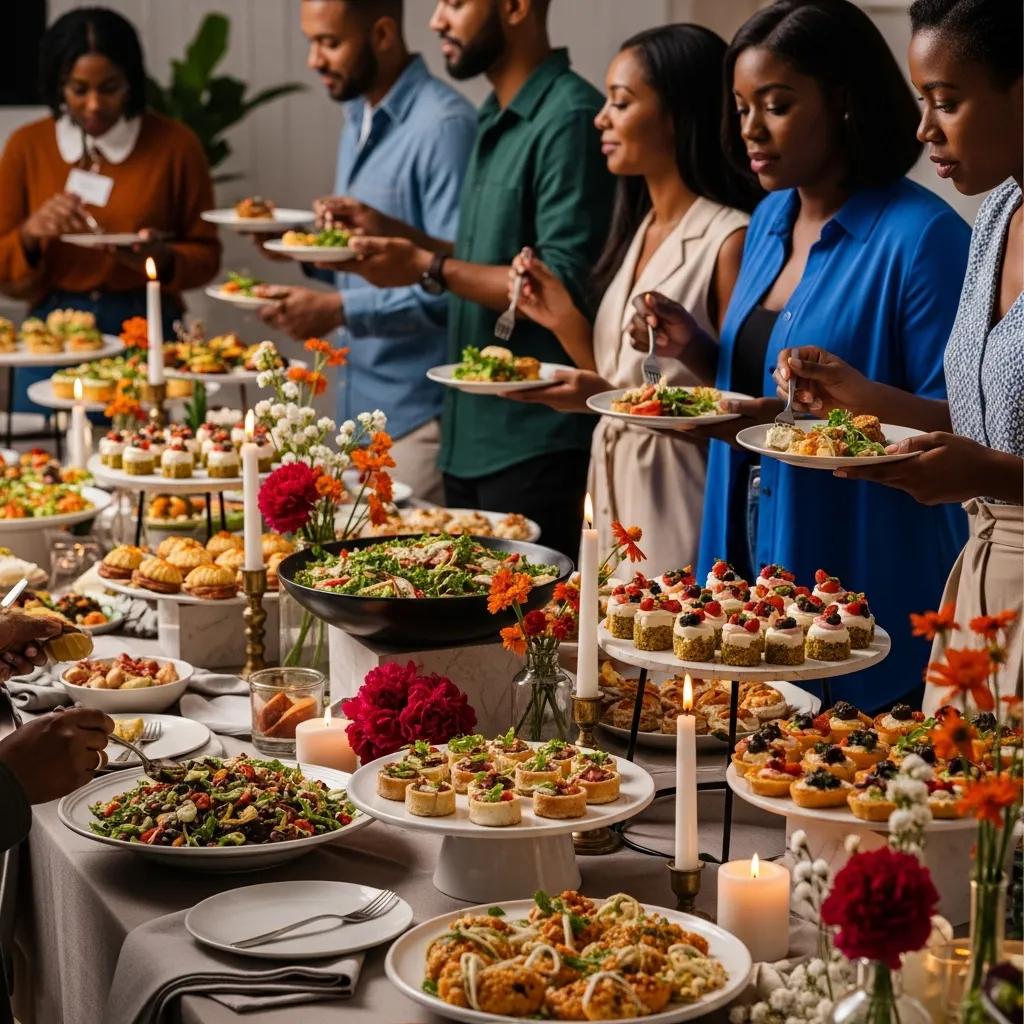
A buffet is not just a place where people grab food. It becomes a focal point in the room, and the way it is displayed affects how guests move, mingle, and feel. Creative displays help the buffet look like part of the event design instead of a functional station pushed against a wall. When the setup is attractive, guests tend to approach it with more interest, and they often talk about the food before they even eat it.
One of the simplest ways to upgrade a buffet is to add height and layering. Using risers, tiered stands, or stacked serving pieces creates visual depth and prevents the table from looking flat. This also helps guests see what is available without crowding. A thoughtful flow matters too. Group items logically so guests are not doubling back, and make sure there is space for plates and utensils at the start. When the layout is smooth, people spend less time navigating and more time enjoying.
Color is another big factor. Buffets can look dull when everything blends together, such as beige foods on beige platters. Adding pops of color through produce, herbs, or vibrant serving pieces makes the entire table feel more alive. The goal is not to overdecorate. It is to use a few intentional choices so the food presentation feels coordinated with the event.
Which Gourmet Food Plating Techniques Impress Guests Most?
Gourmet plating is less about complicated designs and more about control and balance. One technique that consistently impresses is purposeful height. Stacking elements or creating a vertical focal point makes a plate look composed and restaurant-quality. Layering works well too, especially when it is used to show clear structure, such as a base, a main element, and a finishing topper that adds texture.
Sauces and garnishes can also elevate food presentation, but only when they are used with restraint. A clean drizzle, a smooth swipe, or a small pool of sauce can add color and contrast without making the plate messy. Garnishes should look fresh and make sense with the dish. A sprig of herb that ties into the flavors feels intentional, while random garnish can look like clutter.
Visual balance is what ties everything together. Leave enough negative space so the plate does not feel crowded, and make sure the components look deliberate instead of scattered. When plates look clean, structured, and easy to understand, guests perceive the meal as more elevated, even if the ingredients are simple.
At the end of the day, the most effective food presentation is the kind that looks appealing and makes serving feel effortless. When guests can move through the buffet easily and each dish looks composed, the food becomes part of the event experience rather than just something people eat.
How Can Event Food Styling Techniques Transform Culinary Experiences?
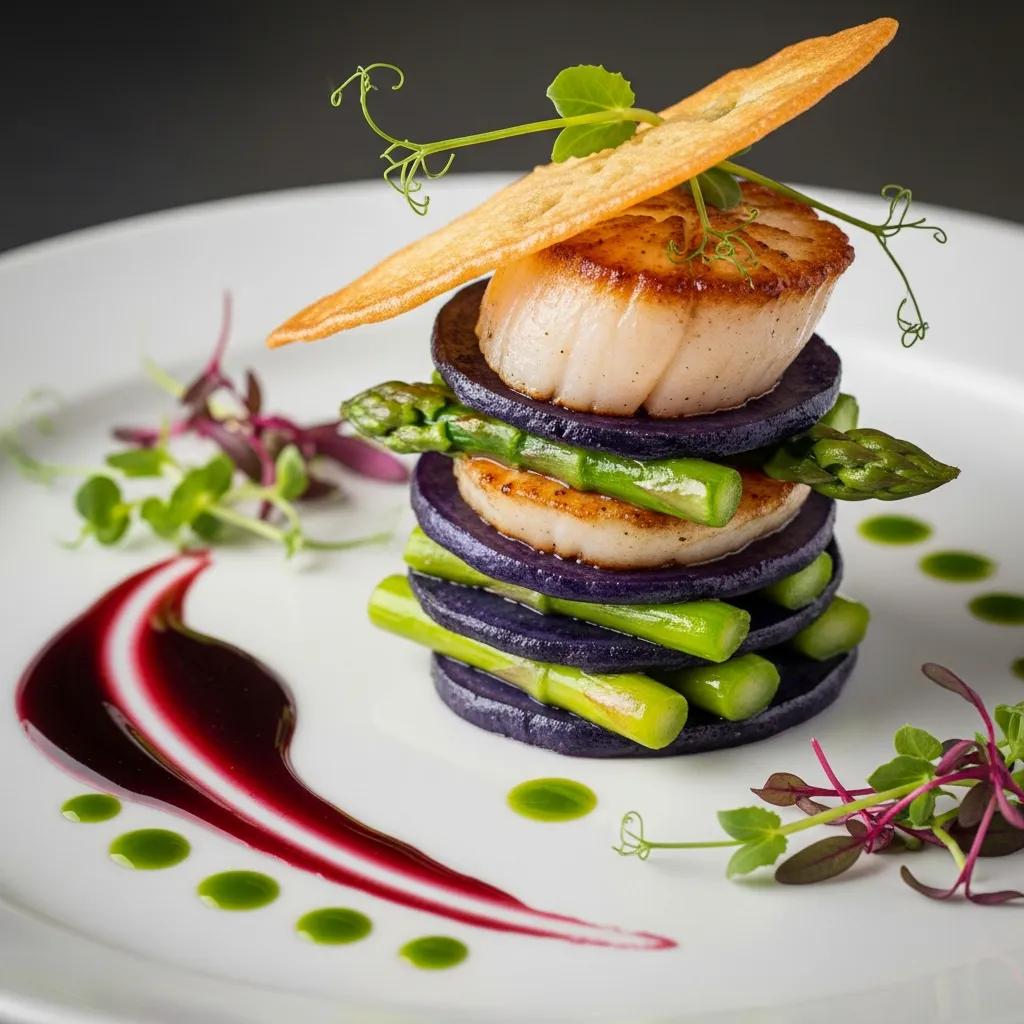
Great event styling can change how guests experience a meal before they even taste it. Strong food presentation signals care and quality, which naturally raises expectations. When dishes look composed, guests slow down, take in the details, and often describe the food as more flavorful, even when the recipe itself is simple. That is why food styling matters at events. It is not decoration for decoration’s sake. It shapes perception and sets the tone for the entire dining moment.
Food styling also supports flow and consistency. At events, people see a table or a plated dish in a split second. If the visual cues are clear, guests understand what they are picking up and feel more confident trying it. When the styling is messy or unclear, guests hesitate, which can make even good food feel less inviting. The goal is to make each dish look appetizing, easy to approach, and aligned with the mood of the event.
What Role Do Garnishes And Edible Art Play In Food Styling?
Garnishes do more than fill space on a plate. When they are chosen well, they sharpen the look of a dish and reinforce the flavor. Fresh herbs add a clean pop of green and signal freshness. Citrus zest can brighten color and suggest a lighter taste. Microgreens can add height and delicacy, while edible flowers can bring a soft, celebratory feel to special events. The key is to treat garnishes as part of the dish, not a last-second add-on.
Edible art follows the same principle. It should feel intentional and connected to the food. A well-placed sauce drizzle, a clean puree swipe, or a composed cluster of toppings can create an elevated look without making the plate hard to eat. The best edible elements guide the eye toward the main component rather than distracting from it.
It is also worth considering how garnish choices match the event style. A rustic event might look best with herbs, citrus, and natural textures. A formal event may call for cleaner lines and more restrained finishing touches. When garnish and style match, food presentation feels cohesive rather than overdone.
How To Apply Color, Texture, And Height For Visual Appeal?
Color is one of the easiest tools for better food presentation, but it works best when it is planned. Contrast is what makes a plate look dynamic. If the main dish is neutral, such as cream, beige, or brown tones, add color intentionally through vegetables, herbs, or a garnish that brightens the plate. If the dish is already colorful, keep the extras minimal so it does not look chaotic. The goal is balance, not maximum color.
Texture matters because it adds visual interest and makes food look more appealing. Creamy and crunchy combinations tend to read as more satisfying, both visually and in the mouth. A smooth puree with a crisp topping, a tender protein with a fresh herb finish, or a soft spread with a crunchy cracker creates contrast that guests notice right away. Even in buffet settings, texture variety helps platters look abundant and intentional.
Height is another technique that instantly makes dishes look more elevated. A small amount of vertical structure suggests effort and design, which is why stacked elements or layered components tend to photograph well and feel “restaurant-like.” Height does not have to mean towering stacks. It can be as simple as placing the main component slightly off-center and adding a crisp element that stands above the surface. The trick is to keep it stable and easy to eat. If guests have to fight the plate, the presentation works against the experience.
When you combine color, texture, and height with restraint, styling stops feeling like a trick and starts feeling like good taste. That is the point. Strong food presentation should make food look better, taste more inviting, and feel natural for the occasion.
What Are Innovative Luxury Catering Displays That Elevate Event Dining?
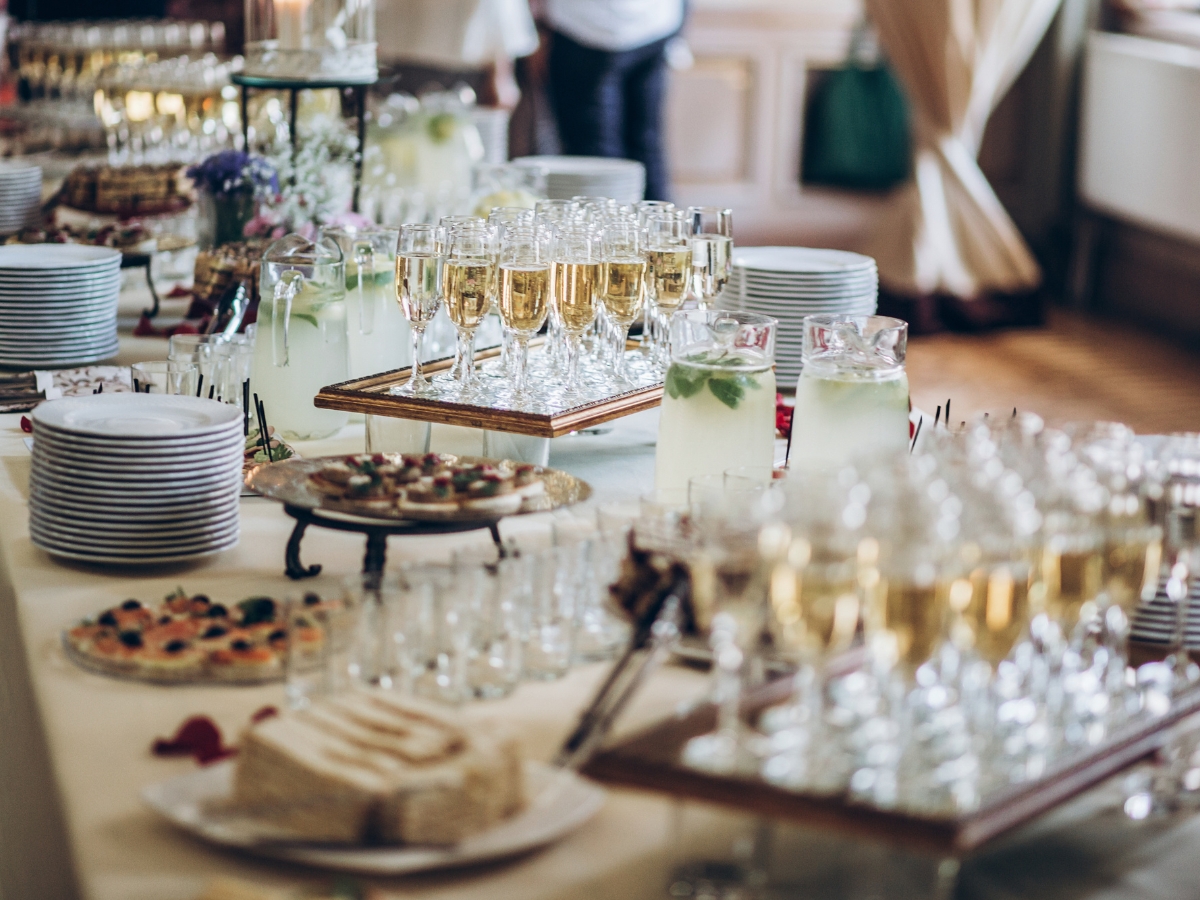
Luxury catering is not only about premium ingredients. It is also about how the experience feels the moment guests walk into the room. A thoughtful display can make the food feel more special, encourage guests to explore, and create natural gathering points that improve the flow of the event. Done well, food presentation becomes part of the decor. It sets the tone without needing extra signage or gimmicks.
The most memorable luxury displays usually have a clear concept. That concept might be a color palette, a seasonal theme, or a consistent material choice that ties the food to the space. When every platter, riser, and serving piece looks like it belongs together, guests notice the polish. Luxury also comes through restraint. Instead of cramming a table with too many items, the display feels curated, with space around key dishes so they stand out.
How To Design Themed And Sustainable Catering Displays?
Themed displays work best when the theme supports the event rather than overpowering it. A wedding might call for softer textures and romantic details. A corporate event may look better with clean lines and a more modern layout. Once the theme is set, carry it through with a few consistent choices. Coordinated serving pieces, repeat materials, and a clear arrangement style do more for food presentation than adding a lot of extra decorations.
Sustainability can fit into luxury, and many guests appreciate the thought. Using locally sourced ingredients often improves freshness and can create a natural seasonal story for the menu. Presentation can follow the same approach. Natural wood boards, stone trays, and reusable serving pieces can look high-end while reducing waste. Even when disposable items are needed, choosing compostable options that still look clean and intentional helps the display feel refined instead of makeshift.
A sustainable display also benefits from planning portioning and replenishment. When platters are refreshed in smaller batches, the table stays neat and abundant without looking picked over. This keeps food presentation consistent throughout the event, which is one of the details that separates average catering from a more luxury feel.
What Are Interactive Food Stations And Their Benefits?
Interactive food stations are popular because they turn dining into an experience. Instead of guests walking through a standard buffet line, they gather around a station, watch food being finished, and customize their plates. That interaction creates energy in the room and encourages conversation. It also gives guests more control over preferences and dietary needs, which can make the event feel more welcoming without calling attention to restrictions.
The best interactive stations still follow the rules of good food presentation. The station should be easy to understand at a glance, with a clear start and finish so guests do not crowd the same spot. Ingredients should be arranged neatly, kept fresh, and replenished before the display loses its appeal. When the station is well-designed, guests move through smoothly, and the station feels like a feature rather than a bottleneck.
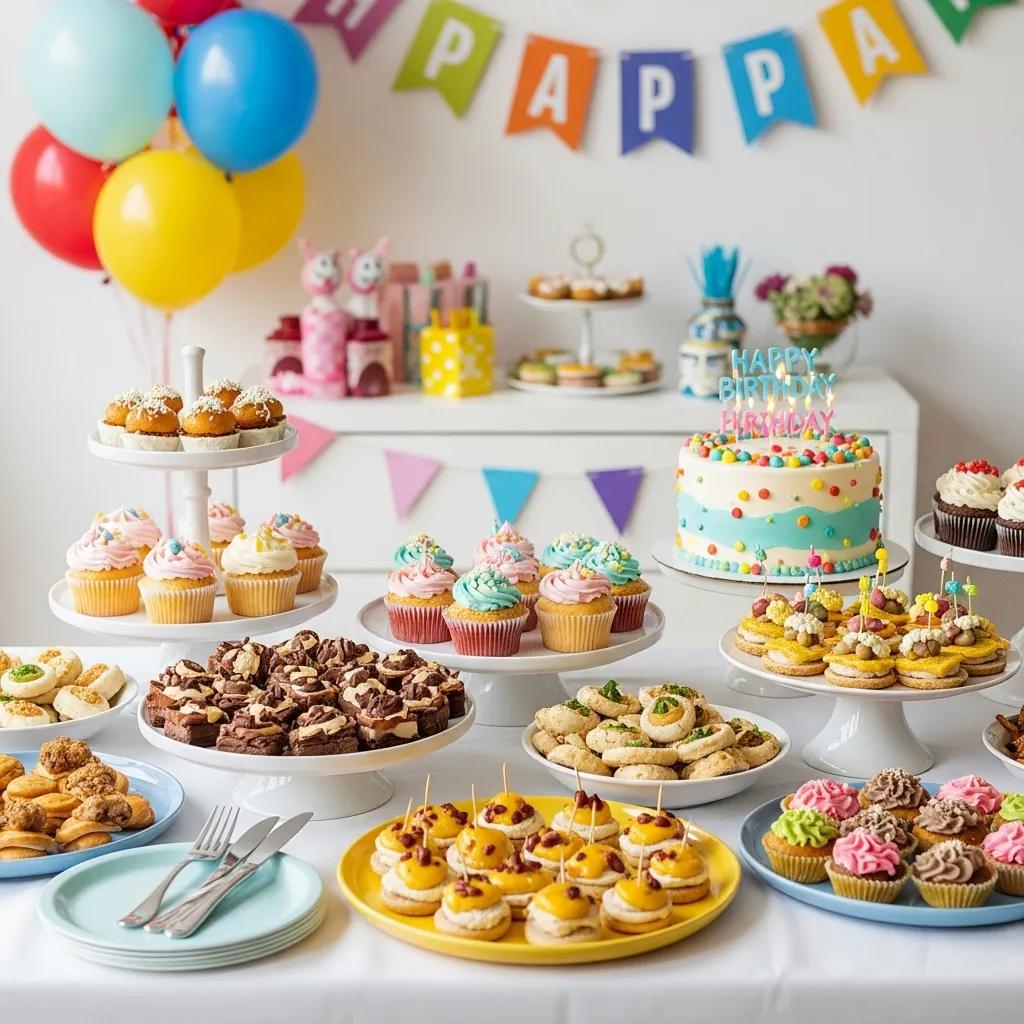
Examples can range from casual to upscale depending on the menu. A build-your-own taco bar can feel elevated with high-quality toppings, clean servingware, and a layout that highlights freshness. Sushi stations can feel luxurious when they are minimal and precise, with clean lines and intentional plating. Dessert stations often work best when they combine variety with structure, such as a composed selection of small items rather than a scattered spread.
Luxury displays succeed when they look beautiful and function well. If the display supports guest flow, matches the event style, and stays visually consistent as the night goes on, your food presentation will feel elevated from start to finish.
Which 2026 Food Presentation Trends Should Caterers Embrace?
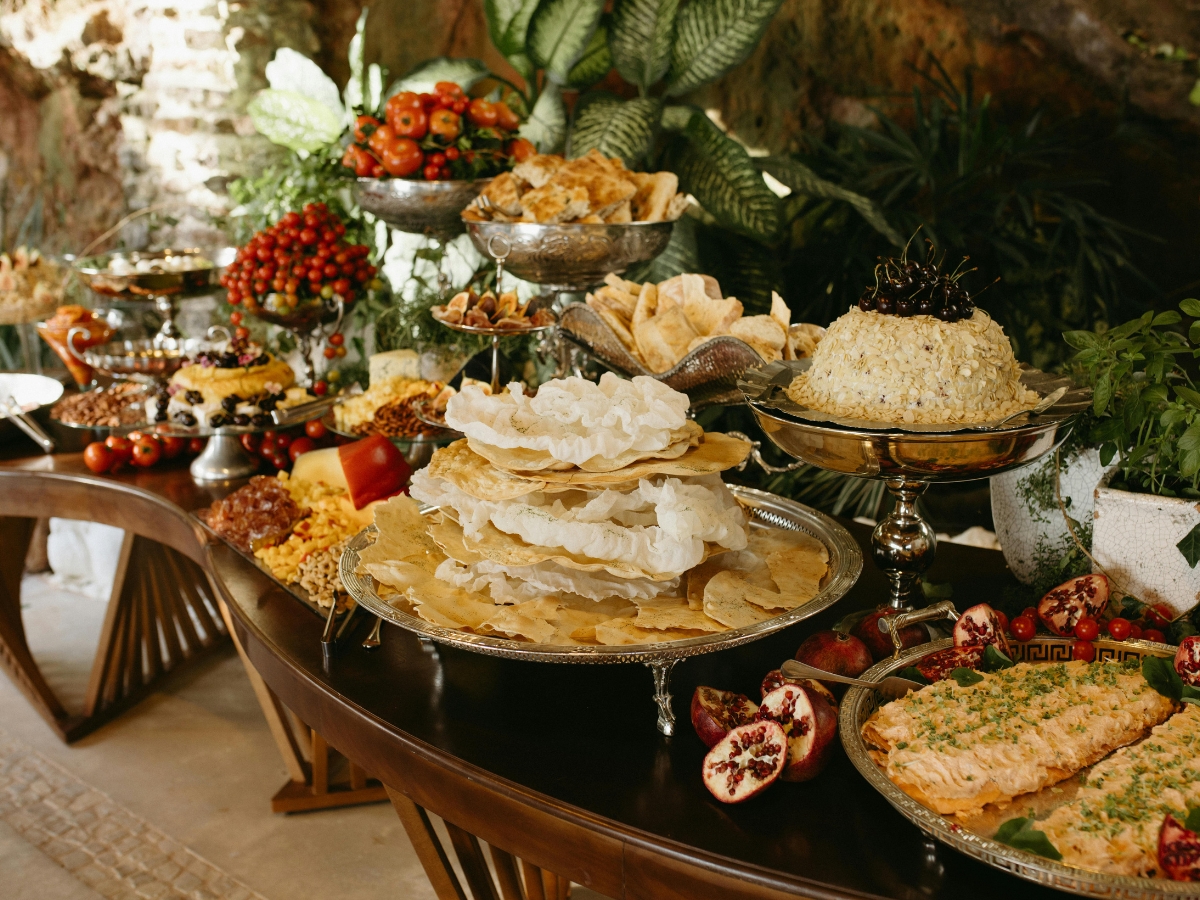
In 2026, food presentation is less about fancy extras and more about building an experience that looks intentional, photographs well, and still feels easy for guests to navigate. That shift is showing up in two big ways: sustainability is influencing how food is displayed and served, and social media is shaping what guests expect to see on the table. Interactive and experiential setups are also gaining traction because they make food feel like part of the event, not just a meal.
A practical way to think about current trends is that caterers are designing with the full guest journey in mind. People notice the materials, the layout, and how “shareable” the moment is, especially at weddings, corporate events, and milestone celebrations. Trends like curated grazing displays, refined buffet styling with height and layers, and interactive stations are popular because they look great while still serving a function.
How Does Sustainability Influence Modern Food Presentation?
Sustainability has become a visible part of food presentation, not just something happening behind the scenes. More caterers are leaning into seasonal and local ingredients, which naturally improves color, freshness, and variety on the table. A platter built around peak-season produce tends to look more vibrant and abundant, and guests often read that as higher quality.
Sustainable presentation also shows up in serveware choices and waste reduction. Reusable platters, compostable or biodegradable disposables, and packaging that feels intentional rather than generic are increasingly part of the look. The goal is to avoid the “eco” option looking cheap or flimsy. Instead, the materials become part of the style, such as wood boards, stone trays, or clean compostable pieces that still match the event aesthetic.
Another trend tied to sustainability is smaller-batch replenishment. Rather than one massive tray that gets messy as guests serve themselves, rotating smaller platters keeps the table looking fresh throughout the event. It also helps reduce waste, because you can adjust refills based on what guests are actually eating. That approach improves both the appearance and the flow, which is often what people mean when they say a display feels “high end.”
What Makes Food Presentation Social Media Ready And Shareable?
“Social media ready” food presentation usually comes down to a few elements guests can recognize quickly: strong color contrast, clear structure, and a focal point that reads well in a photo. Bright ingredients, clean plating, and intentional negative space tend to perform better than crowded plates or buffets where everything blends together. Even casual foods can look elevated if the display is organized and consistent.
Interactive and experiential setups are especially shareable because they create a moment. Guests like watching something being assembled, finished, or customized, and those stations naturally encourage photos. This is why interactive food stations and experience-forward dining concepts are repeatedly highlighted as 2024 trends.
To make a spread more photo-friendly without overcomplicating it, focus on visual “zones.” Group items by color or type, build in height with risers or tiered trays, and keep signage minimal but clear so guests know what they are looking at. When the layout is easy to understand, people move through it smoothly, and the display stays attractive longer.
In 2024, the strongest food presentation trends tend to overlap: sustainable choices that look intentional, and designs that feel like an experience guests want to share. When you combine those with clean structure and smart replenishment, you get a setup that looks current without feeling gimmicky.
How To Master Creative Buffet Display And Gourmet Plating For Events?
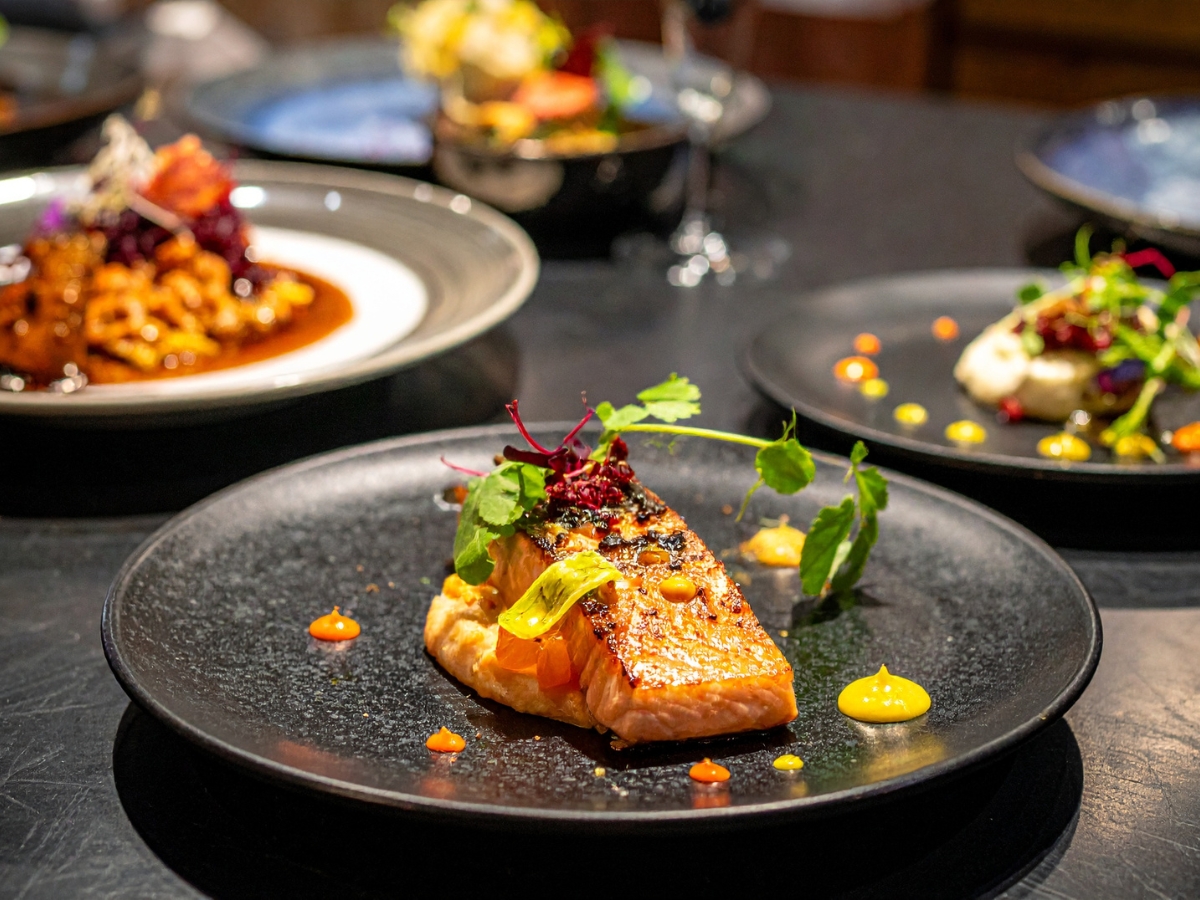
Great events feel effortless, but the best food presentation is rarely accidental. Creative buffet displays and gourmet plating both come down to planning the guest experience, then using a few repeatable design habits that keep the setup clean, consistent, and easy to navigate. When the layout works and the plates look composed, guests feel more confident serving themselves, and the food reads as higher quality before anyone takes a bite.
It also helps to remember that buffet display and plated presentation are solving different problems. Buffets are about flow, visibility, and keeping the spread looking fresh over time. Plating is about balance, contrast, and giving each dish a clear focal point. If you approach each one with the right priorities, your food presentation will look intentional without feeling overstyled.
What Are Best Practices For Buffet Layout Optimization?
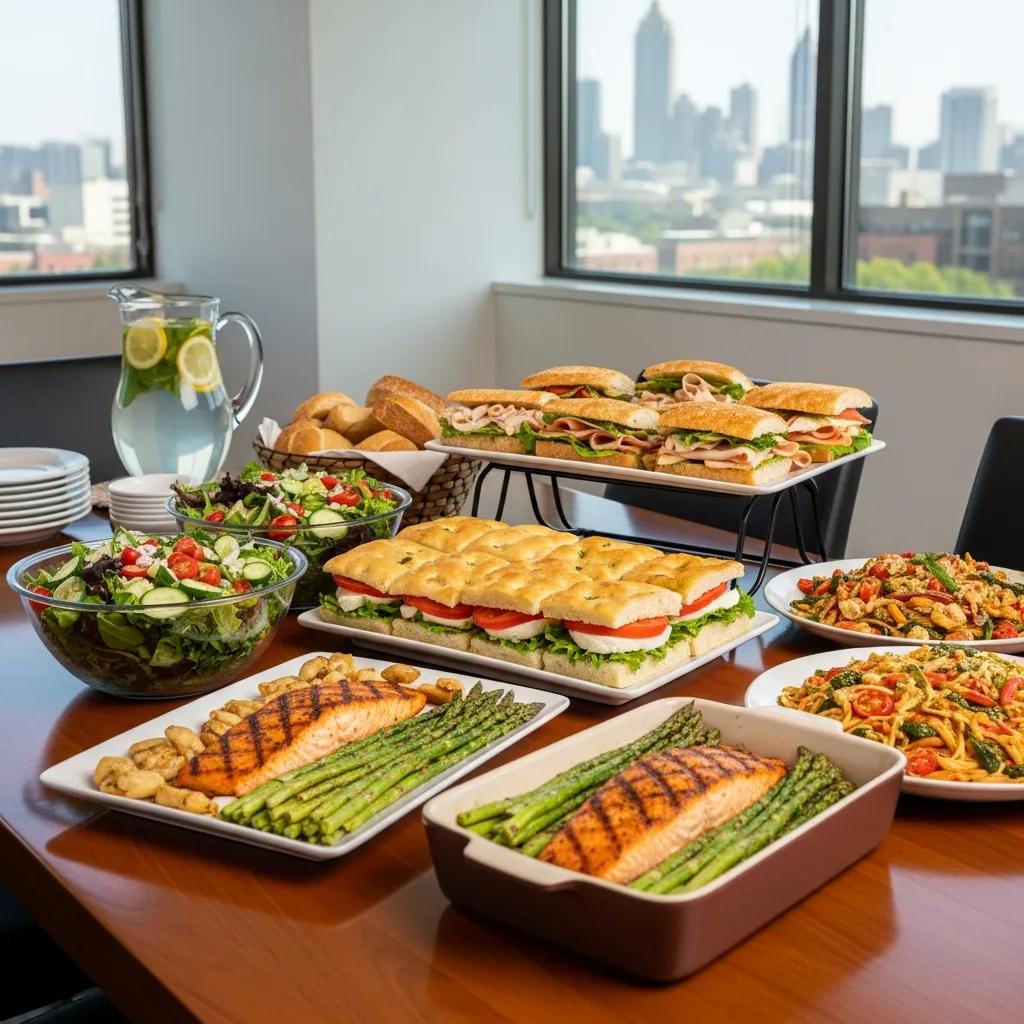
A well-designed buffet starts with a clear path. Guests should be able to move from plates to food to utensils without doubling back or forming a traffic jam. Organize dishes in a logical order, such as lighter items first and heartier items later, and make sure there is enough space between stations for people to step aside while they decide. When the layout is cramped, even a beautiful spread quickly turns messy.
Visual organization matters as much as the path. Group similar items together and create small “zones” so the table is easy to read at a glance. Height is one of the easiest tools for better buffet design. Using risers, tiered stands, or even varied platter shapes helps guests see what is available and makes the display look layered rather than flat. This is also where food presentation can align with the event style. Sleek trays and clean lines fit modern events, while natural textures like wood or stone feel more relaxed and warm.
Decoration can help, but keep it controlled. A few well-placed elements, like greenery or simple floral accents, can frame the buffet without blocking food or taking up serving space. Signage should be clear and consistent, but it does not need to be oversized or overly designed. The goal is to reduce confusion, not create clutter. When guests know what they are looking at, they move faster and the buffet stays cleaner.
Finally, plan for freshness. Smaller-batch replenishment keeps platters looking full and neat. A buffet that looks picked over can make even great food feel less appealing, so the timing of refills is part of the presentation, not just a staffing detail.
How To Incorporate Sauce Artistry And Vertical Plating Techniques?
Gourmet plating is about structure. Sauce artistry can elevate a plate quickly, but the best sauce work looks clean and intentional. A simple drizzle, a neat pool, or a smooth swipe creates contrast and adds color without making the plate look chaotic. The sauce should support the main component, not compete with it. If the plate is already visually busy, keep sauce minimal. If the plate is neutral, sauce can add the pop that makes the dish look finished.
Vertical plating adds height, which naturally makes a plate feel more elevated. Height works best when it is stable and easy to eat. Stacking can be as simple as layering components in a clear order, such as base, main element, and topper. Even small height cues, like leaning crisp elements against a protein or building a composed mound rather than spreading ingredients flat, can improve food presentation.
Texture contrast helps these techniques land. A creamy element paired with something crisp, or a soft base with a crunchy garnish, makes the plate feel more complete and visually appealing. The trick is restraint. Leave enough space so the dish does not look crowded, and keep the focal point clear so the eye knows where to land.
When buffet layout and plating are both handled with intention, guests experience the event as more polished. Good food presentation is not about doing the most. It is about making smart choices that keep the food attractive, easy to serve, and memorable.
Conclusion
Elevating your event’s food presentation is a powerful way to engage guests, create lasting memories, and showcase the quality of your menu. From artful plating and thematic garnishes to interactive stations, thoughtful presentation transforms a meal into a multisensory experience. At A Delightful Bitefull Catering, we specialize in crafting visually stunning and delicious presentations that perfectly complement your event’s vision. Ready to impress your guests from the first glance? Call (770) 565-4146 today or send us a message through our contact form to discuss how we can bring beauty and flavor to your next gathering. Let’s make every bite a masterpiece.