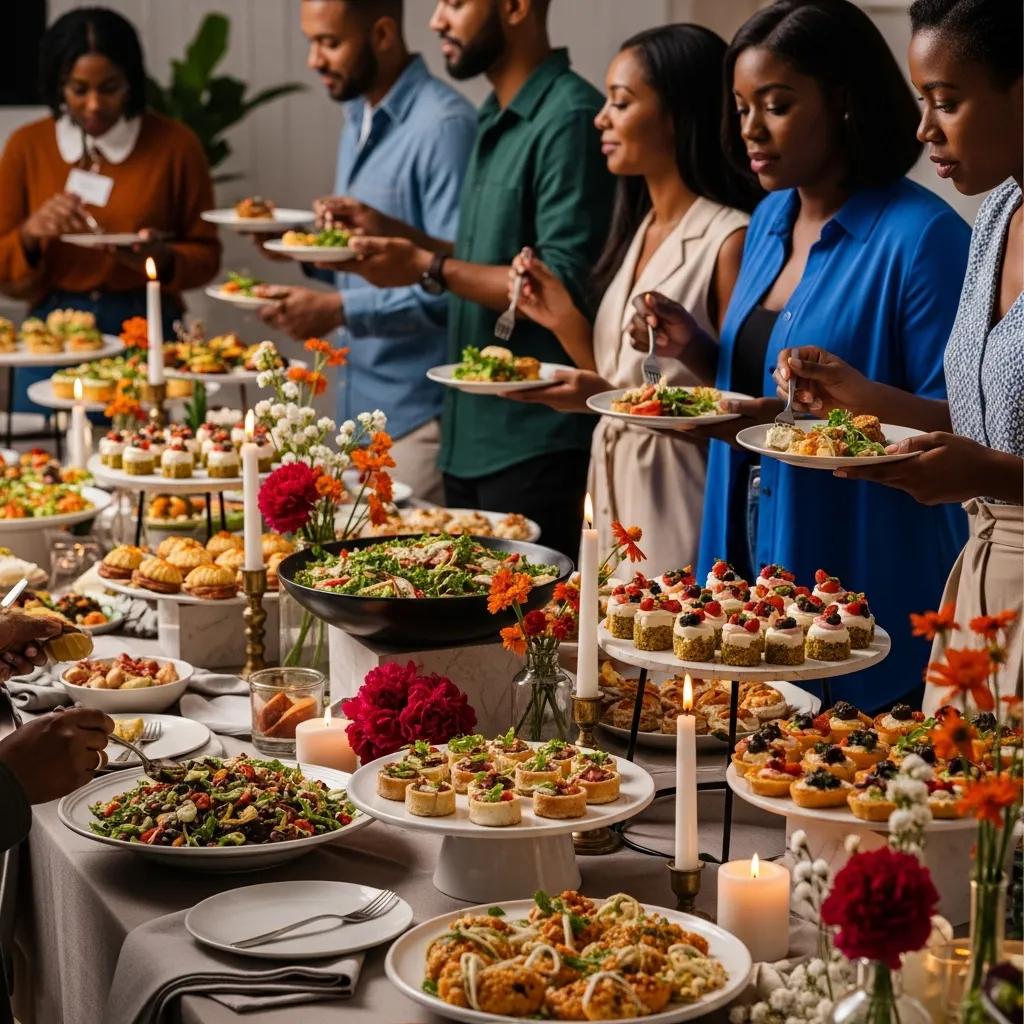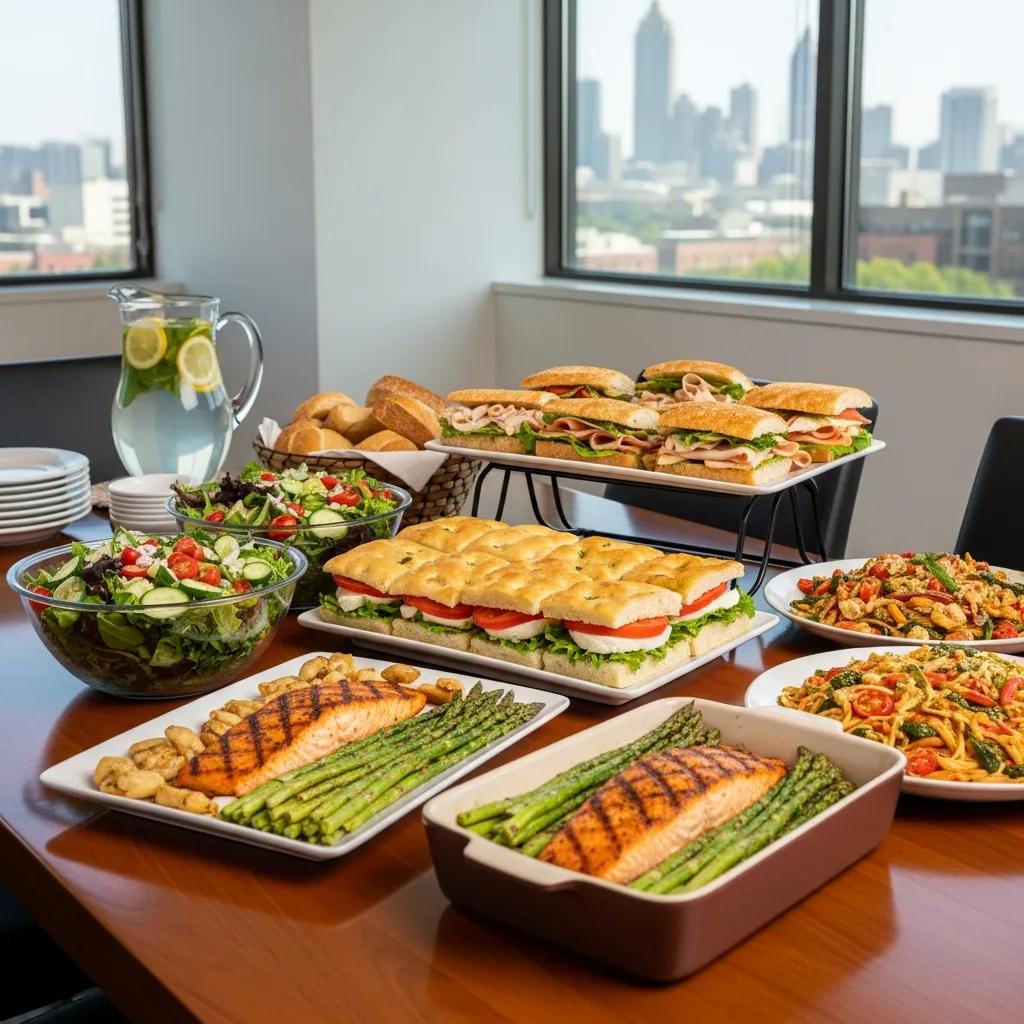


Delicious plant based catering has evolved far beyond simple salads, blossoming into a dynamic culinary category that delights diverse palates with creative, flavorful, and satisfying menus. From globally-inspired small plates and hearty grain bowls to decadent dairy-free desserts, modern plant-based cuisine offers an inclusive and elevated dining experience that appeals to vegans, vegetarians, and flexitarians alike. This guide explores how to craft irresistible plant-based catering menus that showcase seasonal produce, innovative proteins, and bold flavors, ensuring your event is memorable, sustainable, and delicious for every guest.
Plant Based Catering That’s Fresh, Flavorful, and Creative
What Are The Benefits Of Choosing Plant-Based Catering For Your Event?
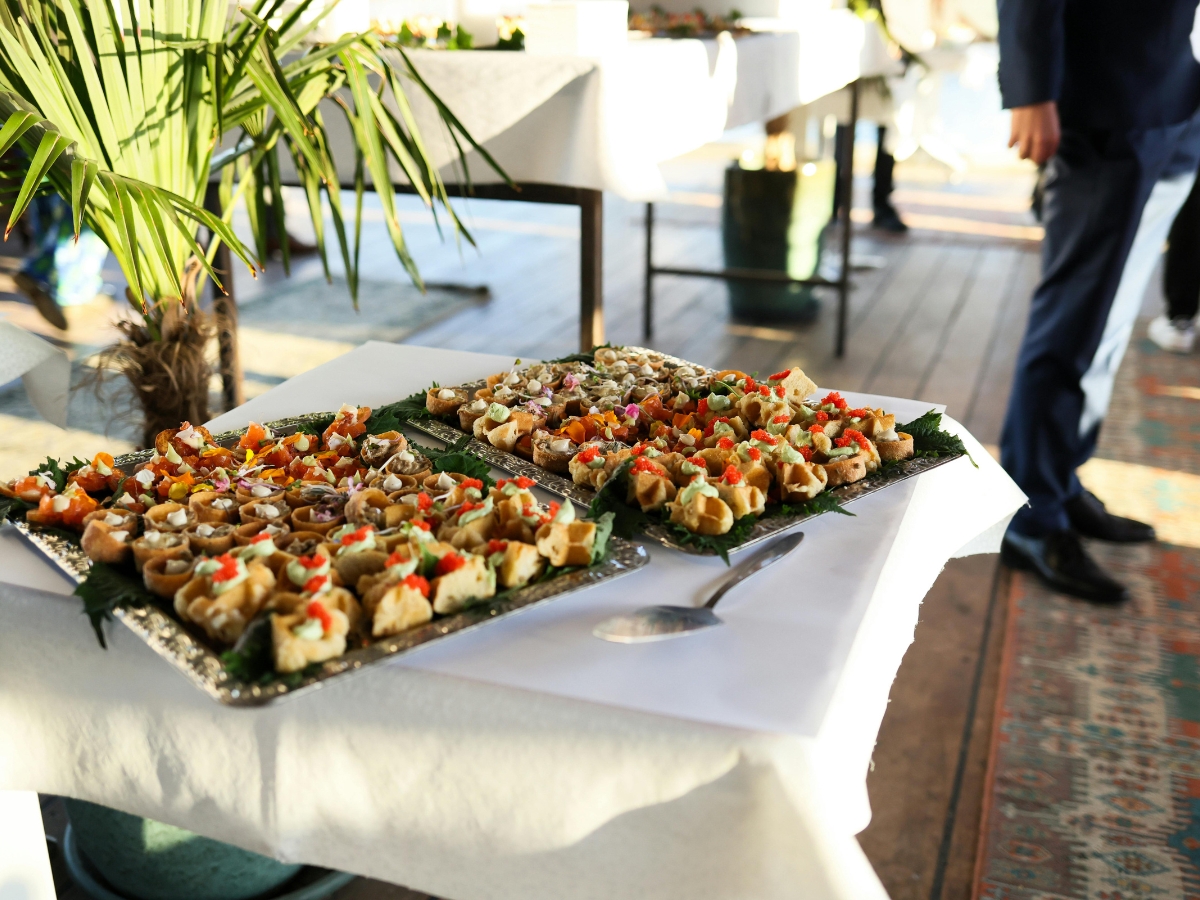
Choosing plant based catering is an easy way to make an event feel fresh, inclusive, and modern without turning the menu into a “special request” situation. A well-built plant-forward menu can satisfy a wide range of guests, including people who are vegan, vegetarian, dairy-free, or simply trying to eat lighter. It also tends to photograph well and feel intentional, especially when the menu leans into seasonal produce, bold sauces, and satisfying textures.
Another benefit is flexibility. Plant-based menus can work for almost any event style, from casual lunches to formal plated dinners, because the foundation is so adaptable. You can build comfort-food options that feel familiar, like creamy pastas and hearty grain bowls, or go elevated with composed plates that feature roasted vegetables, legumes, and chef-driven garnishes. When done right, plant based catering feels like a strong menu choice, not a compromise.
How Does Plant-Based Catering Support Health And Nutrition?
Plant-based menus support health and nutrition by focusing on foods that are naturally rich in fiber, vitamins, minerals, and antioxidants. Meals built around vegetables, fruits, whole grains, beans, and lentils often feel satisfying without relying heavily on saturated fat. For many guests, this translates to a meal that feels energizing rather than heavy, which matters at events where people want to stay comfortable, socialize, and enjoy the rest of the day.
Plant-forward meals also make it easier to build variety into the menu. Instead of one main protein with similar sides, plant-based spreads can offer a range of colors, textures, and flavors across dishes. This variety helps guests mix and match based on appetite and preferences. It also allows caterers to offer satisfying options for people who are more sensitive to rich foods, while still serving dishes that feel indulgent through smart use of seasoning, roasting, and sauces.
That said, a strong plant-based menu is not just salad. The goal is balance, which usually means including filling elements like grains, legumes, nuts, and plant-based proteins so guests leave satisfied. When the menu includes both lighter items and heartier options, everyone can build a plate that works for them.
In What Ways Does Sustainable Catering Reduce Environmental Impact?
Sustainability is one of the most common reasons hosts choose plant based catering, and it often pairs naturally with other responsible catering practices. Plant-forward menus generally require fewer resources than meat-heavy menus, which can help reduce the overall environmental load of the event. They also open the door to more seasonal cooking, which can improve flavor and reduce reliance on ingredients that are shipped long distances.
Local sourcing is another practical sustainability lever. When ingredients are purchased closer to the event location, transportation emissions are reduced, and local farms and producers benefit. Seasonal produce also tends to be fresher, which improves the guest experience while supporting a more responsible supply chain. Even small choices, like building the menu around what is in season, can make a noticeable difference in both taste and waste reduction.
Waste is also easier to manage with plant-based menus when planning is intentional. Using ingredients across multiple dishes, such as herbs, citrus, roasted vegetables, or grains, helps reduce unused product. Offering flexible serving formats, like composed bowls or plated mains with interchangeable sides, can also help caterers adjust portions more accurately and avoid overproduction.
Why Plant Based Catering Works For More Guests
Beyond health and sustainability, plant-based menus often create a more inclusive event experience. Many dietary needs overlap with plant-forward food, so the host does not have to create multiple separate meals to accommodate guests. When the menu is designed thoughtfully, it feels cohesive and intentional, and guests with restrictions do not feel singled out.
In the end, plant based catering can be a smart choice because it supports wellness, reduces environmental impact, and still delivers a satisfying, memorable meal. The key is treating it like a full culinary approach, with bold flavors and balanced plates, rather than limiting it to a few “safe” options.
Which Vegan and Vegetarian Catering Menus Are Popular for Events in Atlanta?
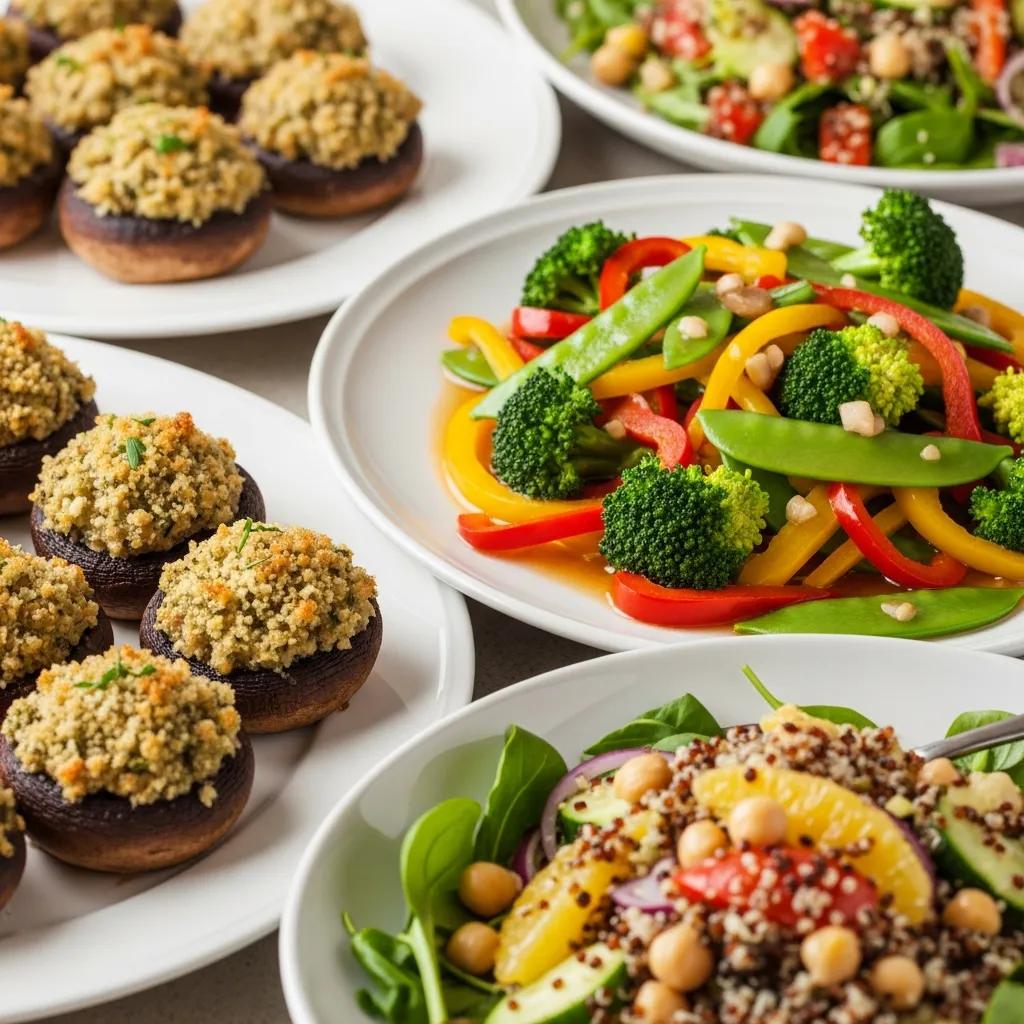
Interest in plant-forward menus has grown across Atlanta events, from corporate lunches to weddings and private celebrations. Hosts often choose plant based catering because it works for mixed groups without feeling like a separate “special meal.” When a menu is built with bold flavors, satisfying textures, and a few familiar crowd-pleasers, vegan and vegetarian dishes tend to disappear just as quickly as anything else on the table.
Another reason these menus are popular is flexibility. Many plant-based dishes can be served passed, plated, or set up as stations without losing quality. That makes it easier to match the style of the event while still offering variety. A strong Atlanta-friendly approach is to combine fresh, seasonal produce with hearty elements like beans, grains, and roasted vegetables so guests feel full, not like they are picking at sides.
What Are Top Vegan Appetizers And Main Courses Offered?
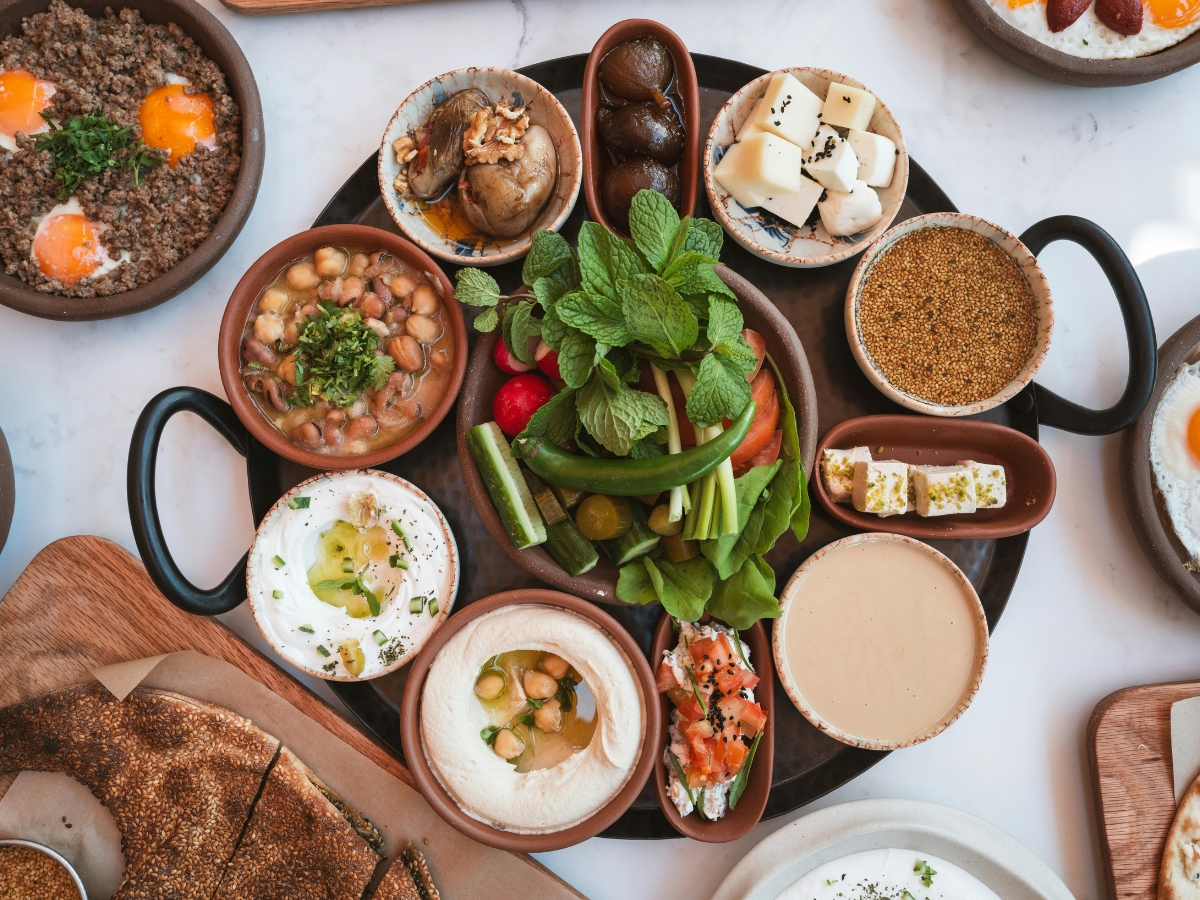
For appetizers, the most popular choices are the ones that feel snackable and familiar, just made with plant-based ingredients. Stuffed mushrooms are a common favorite because they are easy to serve and naturally savory. Roasted vegetable displays also work well, especially when they include a mix of colors and textures, such as charred peppers, roasted carrots, and crisp cucumbers, paired with dips that add richness. Hummus, baba ganoush, and herb-forward spreads are popular because they feel substantial and pair well with pita, crackers, or vegetables without needing any explanation.
For main courses, the options that get the best response are the ones with clear structure, protein, and a strong sauce or seasoning profile. Lentil-based mains are popular because they have a satisfying, hearty bite and can be shaped into slices or served as a composed plate. Vegetable stir-fries and roasted vegetable entrees also work well when they include something filling, such as tofu, chickpeas, or a grain base, and when the sauce carries the dish with flavor. Grain-and-vegetable bowls are another reliable choice because they can be dressed up for plated service or offered buffet-style, and guests can recognize what they are eating right away.
The biggest mistake with plant-forward menus is leaning too hard on “light” options. Atlanta guests, like guests anywhere, want food that tastes good and feels like a real meal. The best plant based catering menus balance freshness with comfort, using spice, roasting, and texture to keep dishes exciting.
How Do Gourmet Vegan Desserts Enhance Event Menus?
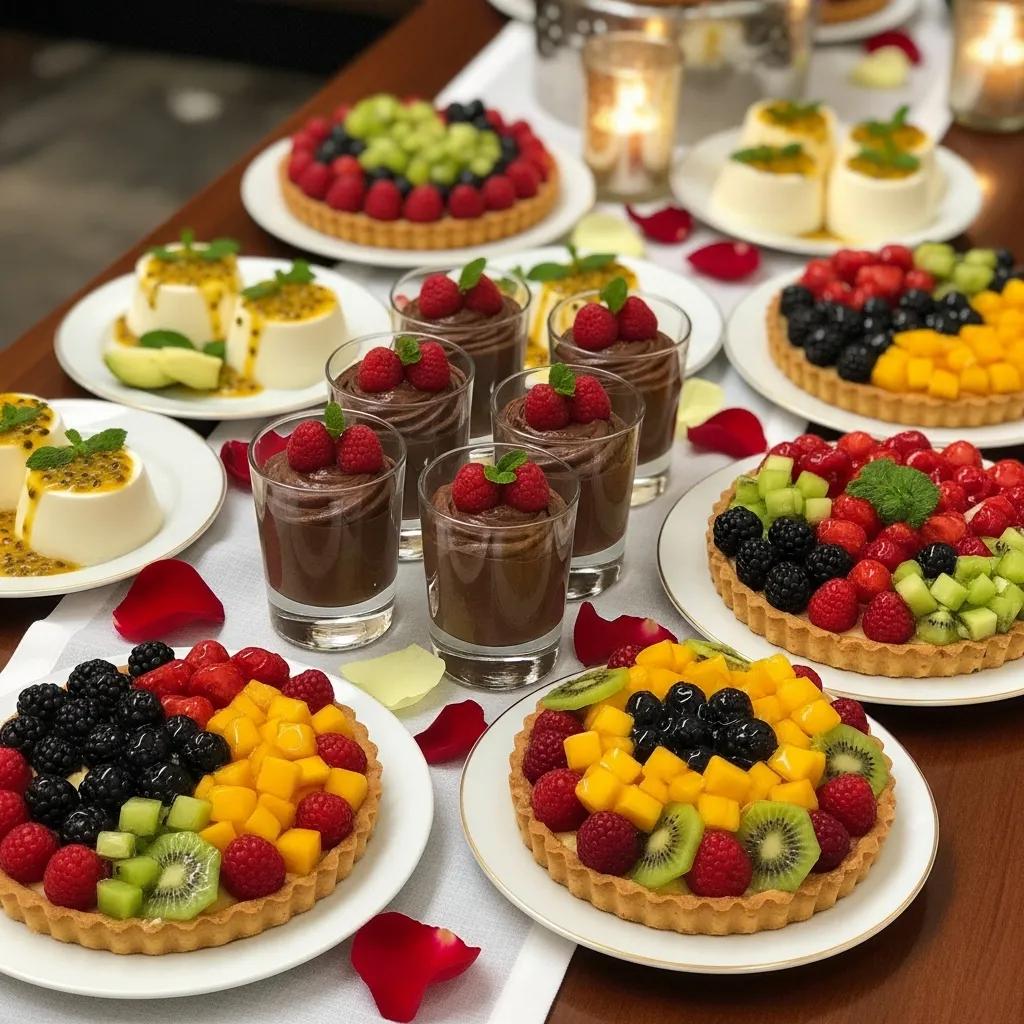
Dessert is often where guests decide whether a plant-based menu feels truly complete. Gourmet vegan desserts have become popular because they offer the same sense of finish and indulgence without calling attention to what is missing. Chocolate-forward desserts are especially successful since rich cocoa flavors translate well in dairy-free formats. Chocolate avocado mousse is one example that tends to surprise guests in a good way because it is smooth and decadent when made well.
Coconut-based desserts also show up frequently because coconut milk creates a creamy texture that works in custards and panna cotta-style dishes. Fruit-forward desserts remain popular for events as well, especially when they feel elevated, such as tarts made with nut-based crusts or seasonal fruit arranged in a clean, intentional way. These options also support a menu that feels bright and fresh rather than heavy.
A strong dessert course adds confidence to the overall menu. When guests enjoy dessert, they tend to remember the meal as satisfying and well-rounded. That is why vegan desserts are a key part of many Atlanta event menus and why plant based catering continues to feel less like a trend and more like a smart default for modern gatherings.
How Can You Customize Plant-Based Menus for Different Event Types?
Customizing a plant-forward menu is less about making everything “different” and more about matching the food to the way people will eat at the event. A wedding dinner has a different rhythm than a corporate lunch, and a casual gathering needs options that travel and hold up well. The advantage of plant based catering is that it adapts easily. You can build menus that feel elevated and plated, or menus that feel flexible and grab-and-go, without sacrificing flavor or satisfaction.
The best starting point is to think through logistics first. Consider how long food will sit out, how guests will move through the space, and whether people will be seated or standing. Once you know the service style, you can choose dishes that stay attractive and taste great throughout the event. Plant-based menus work especially well here because roasted vegetables, grains, legumes, dips, and composed salads can hold texture and flavor without needing constant last-minute attention.
What Are Key Features Of Vegan Wedding Catering In Marietta?
For weddings, the goal is usually a menu that feels special and complete, even for guests who are not used to eating plant-based. Vegan wedding menus tend to work best when they include a clear progression, such as a starter, a main, and a dessert, with flavors that feel intentional rather than overly “healthy.” Couples often like incorporating seasonal ingredients because it adds freshness and makes the meal feel tied to the time of year.
In Marietta, a common approach is blending elegant presentation with familiar comfort elements. Plated mains often center on a hearty component, such as a lentil-based entrée, a vegetable-forward roast, or a composed grain dish, paired with a sauce that adds richness. Passed appetizers are also a strong fit because they set the tone early. When guests have a great first bite, they are more open to the rest of the menu. This is where plant based catering really shines. A well-seasoned appetizer or a beautiful small plate creates confidence before guests ever reach the main course.
Many weddings also benefit from customizable stations. They give guests control without making the menu feel scattered. Stations can be designed to look upscale, with curated toppings, clean servingware, and a layout that stays neat as the night goes on. When the presentation matches the wedding style, plant-based food feels like a deliberate choice, not a limitation.
What Options Exist For Corporate Plant-Based Catering In Metro Atlanta?
Corporate events tend to prioritize speed, clarity, and food that helps people stay focused. In Metro Atlanta, plant-forward corporate menus often work best when they are easy to serve and easy to eat, with options that feel energizing rather than heavy. Bowls, wraps, and composed salads are popular because they can be pre-portioned, labeled clearly, and customized without slowing down the line.
Build-your-own bowl setups are especially practical. They allow guests to choose a base, add proteins like beans or tofu, and finish with vegetables, crunchy toppings, and sauces. This format also handles dietary needs smoothly because guests can avoid ingredients they do not eat without needing a separate meal. For meetings and working lunches, wraps and handheld options are helpful because they reduce mess and keep the meal moving.
The most successful corporate plant based catering menus also include satisfying, savory elements so guests do not feel like they ate “just vegetables.” Adding a hearty base, a flavorful dressing, and a protein-forward component makes the meal feel complete. When corporate menus are built this way, even people who usually eat meat tend to enjoy them.
Matching The Menu To The Moment
No matter the event type, customization comes down to guest experience. Choose dishes that fit the pace of the gathering, the way people will eat, and the level of formality you want. When you plan around those details, plant based catering becomes an advantage because it delivers variety, flexibility, and broad appeal without making the menu complicated.
What Dietary Accommodations Are Available In Plant-Based Catering?
One of the biggest advantages of plant based catering is how naturally flexible it is. Many common dietary needs already overlap with plant-forward food, which means hosts can often accommodate more guests without creating separate meals. Still, flexibility does not happen automatically. It depends on thoughtful planning, careful ingredient choices, and clear communication so guests know what they can safely eat.
At events, dietary accommodations are not only about restrictions. They are also about comfort. Guests want to enjoy the meal without stress, and they want to feel like the menu was designed for everyone, not just adjusted at the last minute. When a menu is built with inclusivity in mind, plant based catering becomes an easy way to serve a group with mixed needs while keeping the dining experience cohesive.
How Are Gluten-Free, Dairy-Free, And Allergen-Free Options Integrated?
Integrating dietary accommodations into a plant-based menu starts with choosing ingredients that work across multiple needs. For gluten-free guests, caterers often use naturally gluten-free bases like rice, quinoa, potatoes, beans, and vegetables instead of relying on breads or wheat-based pasta. When grains are used, it helps to choose options that are familiar and filling so guests feel like they are eating a complete meal, not a substitute.
For dairy-free needs, plant-based menus already have an advantage, but it still requires attention to detail. Creamy sauces and desserts are often made with coconut milk, oat milk, or nut-based alternatives, and it is important that those choices match the dish. A coconut-based sauce can be rich and satisfying, but it also adds flavor, so it should be used where it makes sense. The same goes for plant-based cheeses. Some work well melted, others are better used sparingly for texture or garnish.
Allergen-friendly planning is where careful sourcing and kitchen practices matter most. Many plant-based staples include common allergens, especially nuts, soy, and sesame. That does not mean you have to avoid them entirely, but it does mean you should design the menu so there are clearly safe options that do not rely on those ingredients. For example, using beans or lentils as a protein base can help reduce reliance on soy. Choosing seed-based sauces or herb-forward dressings can offer flavor without depending on nuts.
Clear labeling and clean preparation practices matter as much as the ingredients. Guests with allergies need confidence that foods were prepared with care, and that the menu is not relying on vague descriptions. When done properly, plant based catering can offer a wide range of options while still keeping allergen concerns in mind.
Why Is Custom Vegan Menu Design Important For Diverse Guests?
Custom menu design is what makes a plant-based event feel inclusive instead of limited. Guests have different cultural food preferences, different comfort foods, and different expectations of what a satisfying meal looks like. A thoughtful menu takes that into account by offering variety in flavor profiles and textures, not just checking a dietary box.
Customization also helps prevent the common issue of “everything is a salad.” Plant-based meals should feel filling and intentional, with a balance of vegetables, proteins like legumes, and satisfying elements like grains or roasted components. When the menu includes both lighter and heartier options, more guests feel taken care of, including omnivores who may be open to plant-forward food but still want something substantial.
Ultimately, the goal of plant based catering is not to serve food that is simply compliant. It is to serve food that feels good to eat and easy to enjoy. When dietary accommodations are built into the menu from the start, guests feel welcomed, the event runs smoother, and the meal becomes a highlight rather than a hurdle.
How Does A Delightful Bitefull Catering Ensure Quality And Local Sourcing?
Quality in plant based catering starts long before the first dish is plated. It begins with ingredient choices, sourcing relationships, and the systems a caterer uses to keep food fresh from prep to service. A Delightful Bitefull Catering positions quality and local sourcing as a core part of how they operate, which matters because plant-forward menus rely heavily on produce, herbs, grains, and sauces. When those ingredients are fresh and in season, the difference shows up immediately in flavor, texture, and presentation.
Local sourcing also adds consistency. Working with nearby farms and suppliers can make it easier to plan around what is truly available and at its best, rather than forcing a menu built on ingredients that have traveled for days. For events, that translates to food that tastes brighter, holds up better on the table, and feels more intentional overall. For hosts who care about sustainability, sourcing locally can also align the menu with values without making the event feel overly “messaged” or preachy.
What Sustainable Practices Are Used In Ingredient Sourcing?
Sustainable sourcing is usually a combination of practical choices rather than one single policy. In plant based catering, that often means prioritizing seasonal ingredients, selecting organic produce when it makes sense, and limiting waste through smarter purchasing and prep planning. Seasonal menus are a sustainability win, but they are also a quality win. Produce in season tends to be more flavorful, more visually appealing, and easier to serve without needing heavy processing or extra garnish to make it pop.
Minimizing waste is another key practice. Sustainable caterers often plan menus so core ingredients can be used across multiple dishes, which reduces unused product and keeps prep efficient. A roasted vegetable that appears in a composed salad, a grain bowl, and a warm side, for example, helps control both cost and waste while still providing variety for guests. The same logic applies to sauces and herbs, where a small set of well-designed components can elevate multiple menu items.
Packaging and service materials also matter, especially for events with large guest counts. Eco-friendly packaging and compostable disposables can reduce waste, but the best approach is choosing options that still look clean and event-appropriate. Sustainability does not help the guest experience if the materials look flimsy or distract from the food. In practice, strong plant based catering tends to pair responsible materials with a presentation style that still feels polished.
How Are Freshness And Culinary Excellence Maintained?
Freshness is partly about sourcing, but it is also about handling. Maintaining culinary excellence requires tight timing, proper storage, and preparation methods that respect the ingredients. Plant-forward menus benefit from techniques like roasting, charring, marinating, and finishing with fresh herbs or citrus. These approaches highlight natural flavors while adding depth, which helps plant-based dishes feel satisfying and complete.
Skilled execution also shows up in consistency. Sauces should taste the same from plate to plate. Vegetables should be cooked with intention rather than simply steamed and served. Textures should be balanced, such as pairing creamy components with crisp toppings or adding brightness with pickled elements. Those details are what separate a basic menu from plant based catering that feels restaurant-quality.
Seasonal planning supports this as well. When a menu is designed around what is freshest, chefs can focus on making the food taste great instead of fighting ingredient quality. The result is food that holds its texture longer, looks better on the table, and delivers a more memorable experience for guests.
At the end of the day, quality plant-based catering comes down to simple priorities done consistently: fresh ingredients, thoughtful sourcing, and cooking that brings out real flavor. When those pieces are in place, the menu feels elevated, the presentation stays strong throughout the event, and guests leave feeling satisfied rather than surprised that the meal was plant-based.
What Are Common Questions About Plant-Based Event Catering?
As more hosts explore plant based catering, the questions tend to be practical. People want to know what a good menu looks like for their crowd size, whether guests will actually feel satisfied, and how pricing compares to more traditional catering. The short answer is that plant-based menus can work for nearly any event, but success depends on building the menu around filling components, smart variety, and a service style that fits the venue and timeline.
A strong plant-based menu is not just vegetables on a platter. It usually includes a balance of fresh items and hearty options, with enough texture and flavor range that guests can build a plate that feels complete. When planning is done well, plant based catering can be one of the easiest ways to serve a mixed group, since many dishes naturally work for vegan, vegetarian, and dairy-free guests at the same time.
What Is A Good Vegan Catering Menu For Different Event Sizes?
For smaller gatherings, the goal is usually quality and cohesion rather than a long list of dishes. A tight selection of appetizers paired with a couple of satisfying mains can feel more polished than trying to offer too many choices. Smaller events also allow for more detail in presentation, such as composed platters, plated mains, or a curated spread where each dish feels intentional. Many hosts like to include at least one comfort-style item, one lighter option, and a dessert so the meal feels rounded.
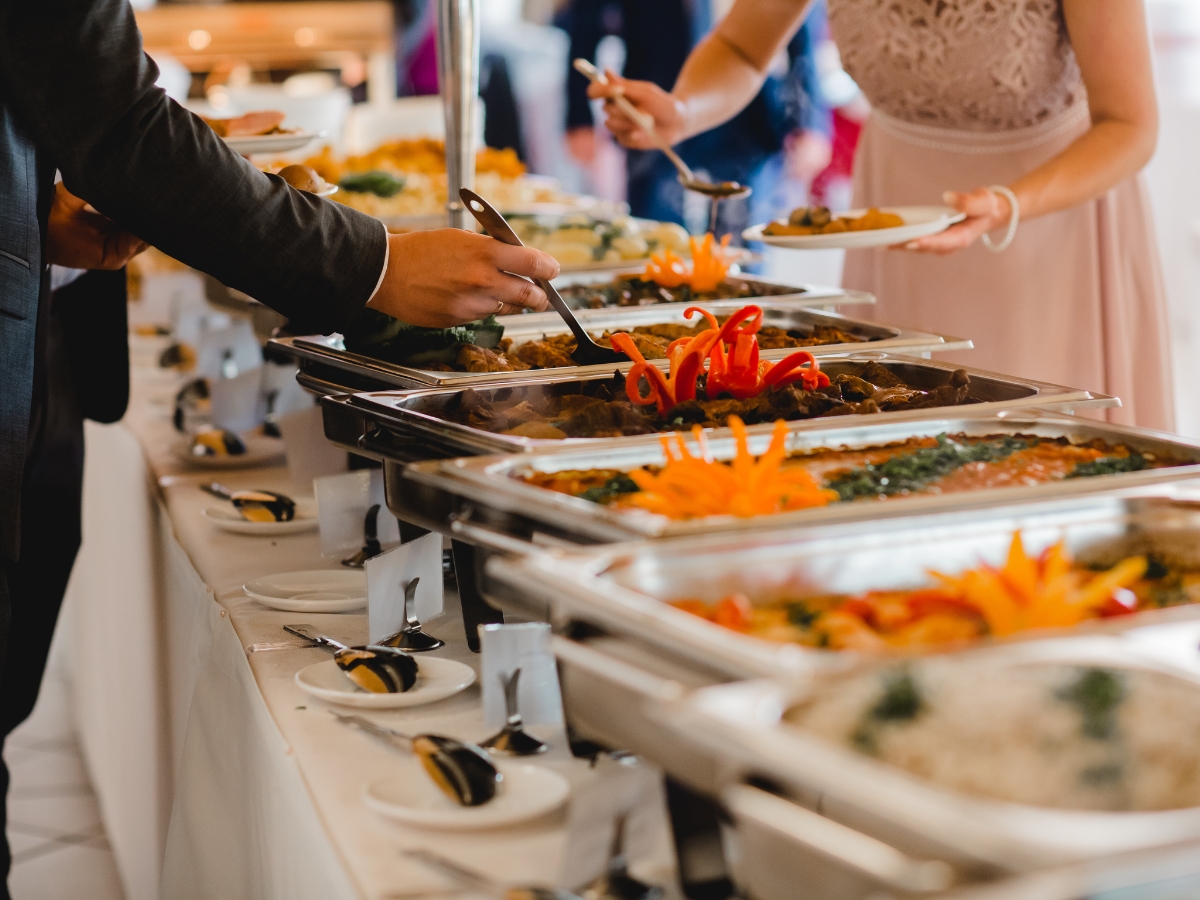
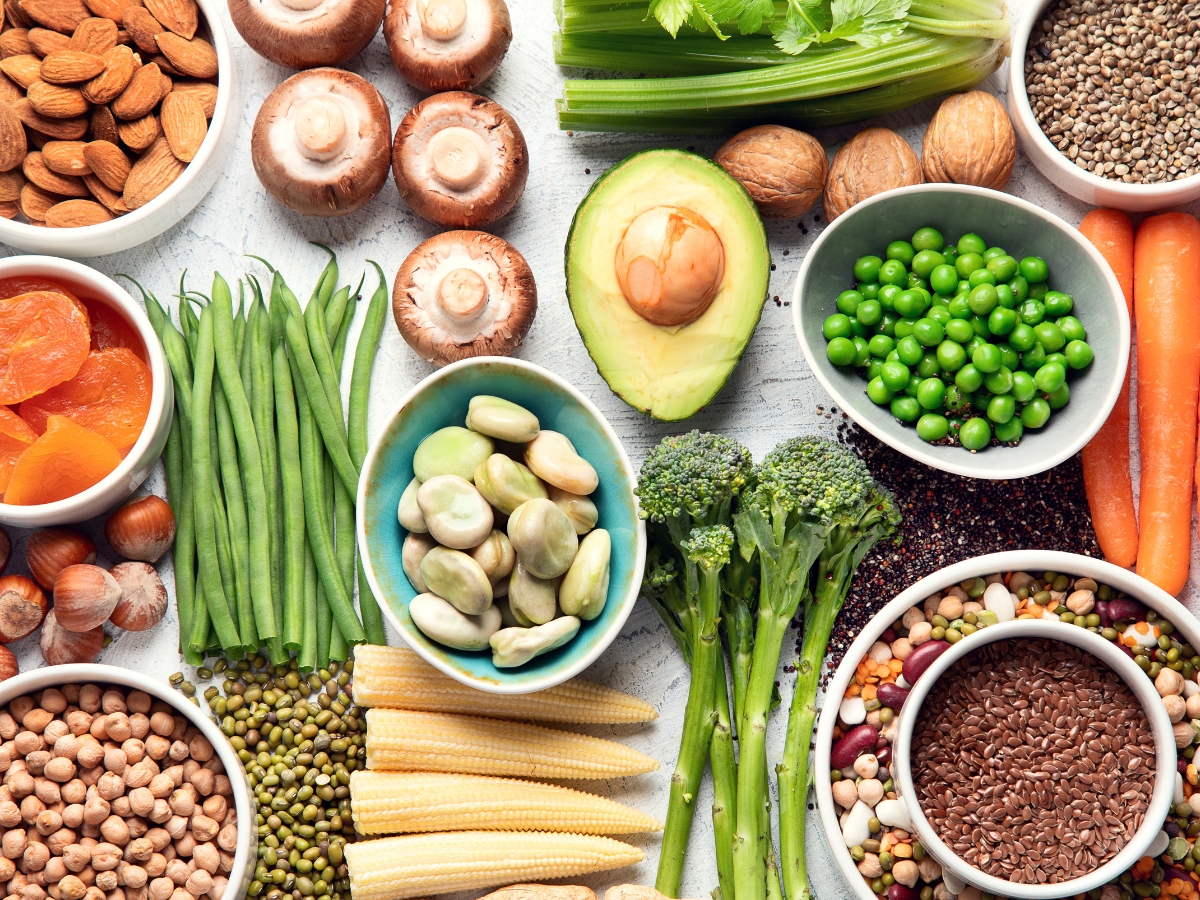
For larger events, variety becomes more important because guests have different preferences and appetites. Buffets are common at this size because they keep service moving and allow guests to customize. The best approach is to include a few clearly different mains, such as a grain-based dish, a legume-forward entrée, and a vegetable-heavy option with a bold sauce. That mix helps avoid repetition and ensures guests who do not typically eat plant-based still find something that feels familiar. With larger crowds, plant based catering works best when the menu includes filling elements like beans, lentils, tofu, grains, and hearty roasted vegetables, not just salads and sides.
How Much Does Plant-Based Catering Cost In Metro Atlanta?
Pricing for plant based catering in Metro Atlanta can vary widely, mostly based on service style, the complexity of the menu, and how much staffing is needed on site. In many cases, plant-based catering falls in a similar range to other catering, especially when the menu includes premium ingredients, custom stations, or plated service. A simpler buffet or drop-off style service tends to cost less than a full-service event with staffing, rentals, and multi-course plating.
Menu design also affects cost. Highly customized dishes, specialty ingredients, and elaborate presentation tend to raise the price, while seasonal ingredients and efficient cross-use of components can help keep budgets under control. Guest count matters too, but the service model often has the bigger impact on the final number. If you are comparing quotes, it helps to check what is included, such as delivery, setup, staffing, servingware, and cleanup.
A Realistic Way To Think About Menu Pricing
Pricing is often easiest to understand when you break it into categories. Appetizers can be priced differently than mains, and desserts may be priced per piece or per person depending on how they are served. In general, a menu with more courses, more service, and more customization will land at a higher price point than a streamlined buffet with fewer dishes.
The bigger takeaway is that plant based catering does not have to be complicated to be memorable. When menus are built around variety, satisfying portions, and strong flavor, guests tend to walk away talking about how good the meal was, not the fact that it was plant-based.
Conclusion
A thoughtfully crafted plant-based catering menu proves that exceptional flavor and elegant dining are for everyone, offering vibrant, creative dishes that delight all of your guests. From globally-inspired entrees to decadent desserts, modern plant-based cuisine provides a delicious and inclusive centerpiece for any event. At A Delightful Bitefull Catering, we specialize in designing custom menus that are as beautiful as they are satisfying. Ready to serve a meal that celebrates both taste and inclusivity? Call (770) 565-4146 today to start planning your perfect event menu. Let’s create a delicious experience that leaves everyone inspired.