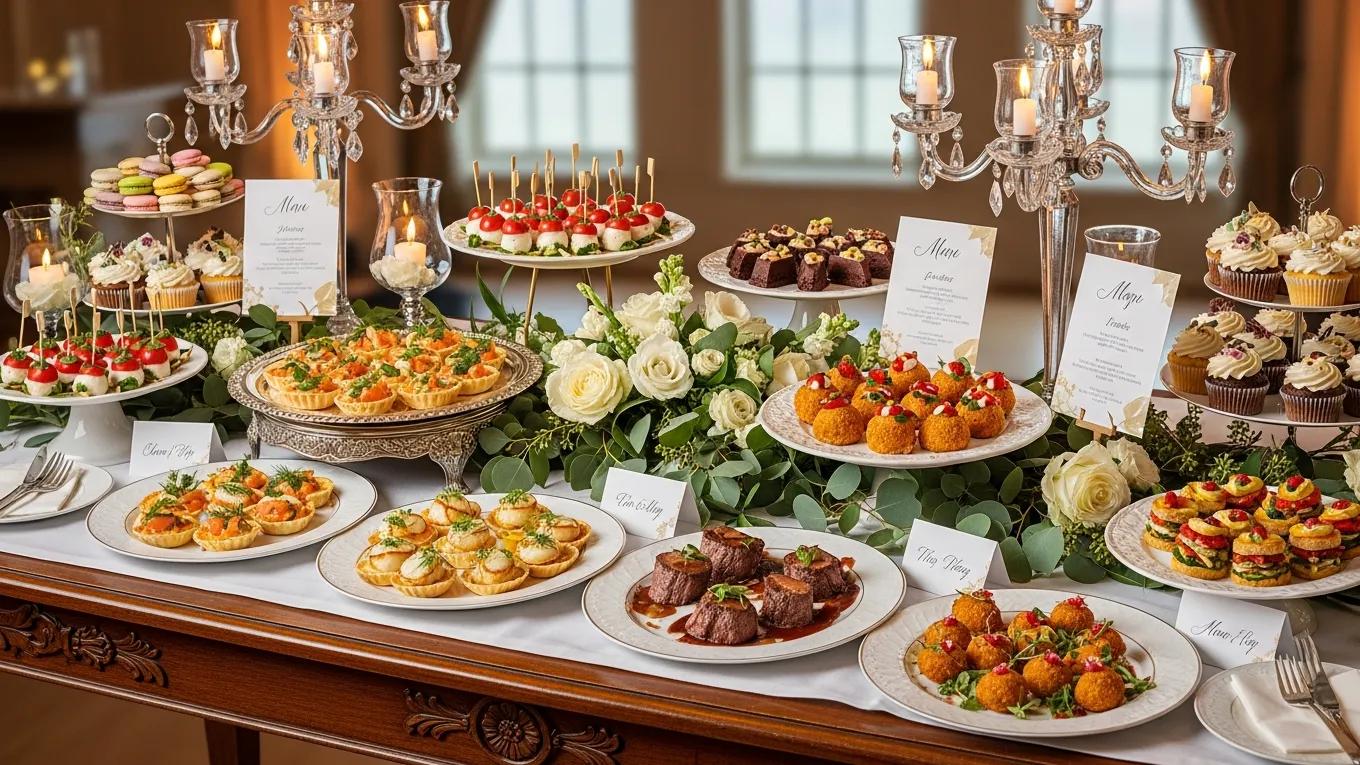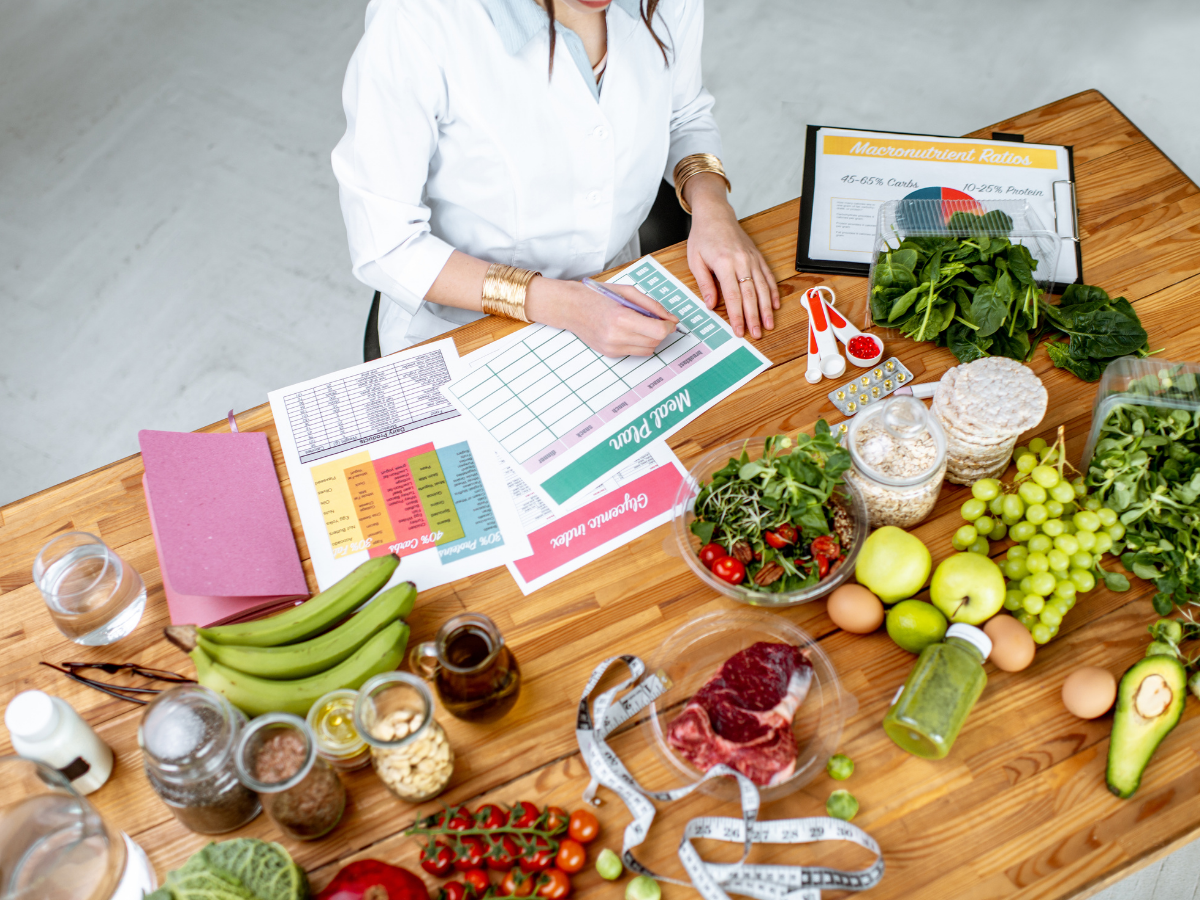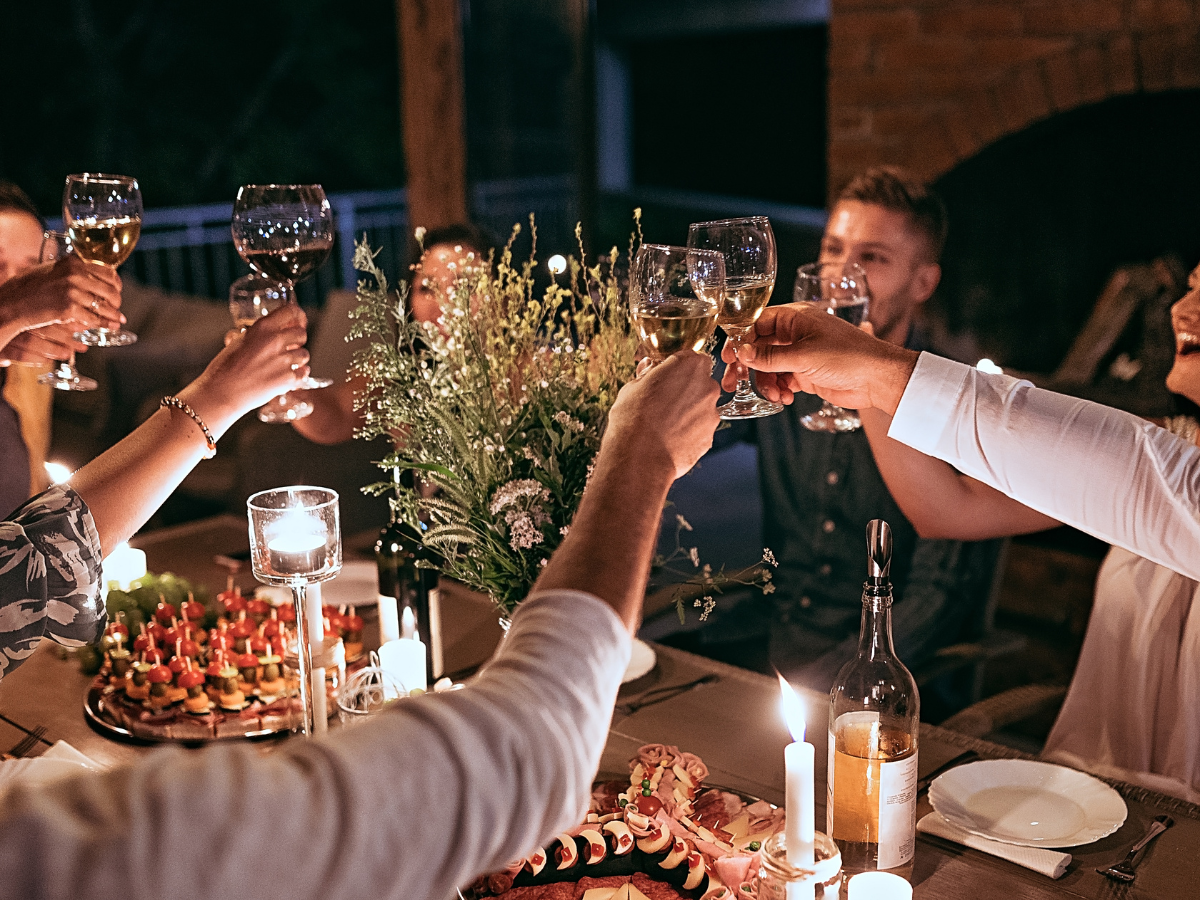


A great cocktail can completely change the way a meal tastes. The right pairing enhances flavors, balances textures, and creates a more memorable dining experience, while the wrong combination can overpower the dish or fall flat. Understanding how cocktails interact with food makes it easier to create pairings that feel intentional and well-balanced.
Cocktail pairing tips for better food and drink matches focus on factors like sweetness, acidity, bitterness, and intensity. A bright citrus cocktail might complement seafood, while a smoky or spirit-forward drink can stand up to richer dishes.
The goal is to create harmony between what’s on the plate and what’s in the glass. With a few practical guidelines, pairing cocktails with food becomes less intimidating and far more enjoyable for both casual meals and special occasions.
How to Create Cocktail Pairing Ideas Guests Will Remember
What Are The Fundamental Principles Of Crafting Cocktail And Food Pairings?
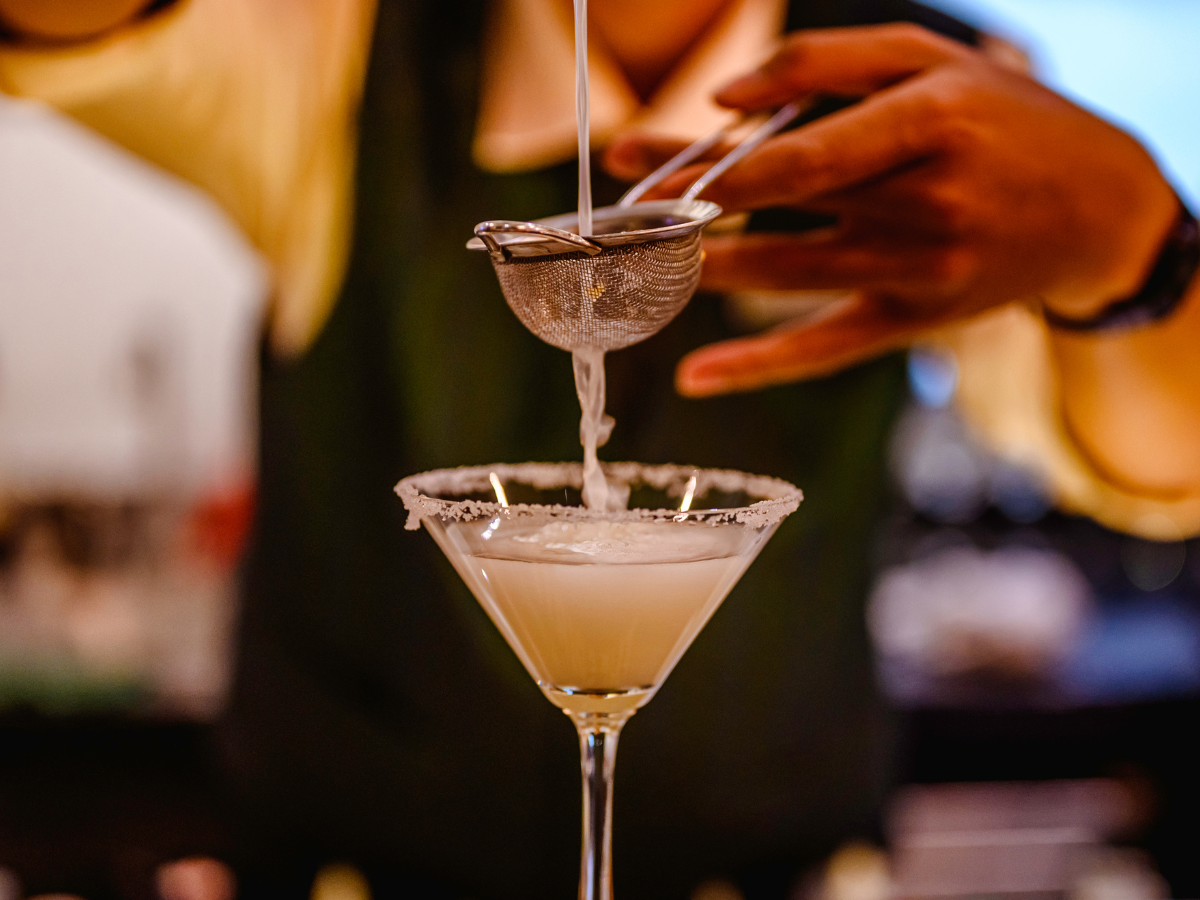
A great cocktail pairing does more than simply place a drink beside a plate of food. When done well, the flavors in both the cocktail and the dish work together to create a more balanced and memorable dining experience. The right combination can highlight subtle ingredients, soften strong flavors, or introduce contrast that keeps each bite and sip interesting.
Understanding the basics of cocktail pairing helps hosts, bartenders, and home entertainers create combinations that feel intentional rather than random. While personal taste always matters, a few core principles consistently shape successful pairings.
Understanding Flavor Profiles In Cocktail Pairing
Every cocktail and every dish carries its own flavor profile. Some combinations lean sweet and citrusy, while others are bitter, smoky, herbal, salty, or savory. The key to effective cocktail pairing is understanding how these flavors interact with one another.
In many cases, pairings work best when flavors either complement or intentionally contrast each other. A crisp gin cocktail with bright herbal and citrus notes may pair naturally with seafood appetizers, fresh vegetables, or lighter dishes because the flavors reinforce freshness throughout the meal.
On the other hand, contrast can also create balance. A rich, creamy appetizer may benefit from a cocktail with acidity or bitterness that cuts through heavier textures and refreshes the palate between bites.
The goal is not necessarily to make the drink and food taste identical. Instead, the pairing should create a smoother and more enjoyable overall experience when consumed together.
The Role Of Similarity, Contrast, And Synergy
Modern cocktail pairing often relies on three major approaches: similarity, contrast, and synergy.
Similarity focuses on shared flavor characteristics. For example, cocktails with citrus, herbs, or fruit-forward ingredients may pair well with dishes that contain similar flavor elements. These combinations tend to feel cohesive and easy to enjoy because the ingredients naturally reinforce each other.
Contrast works differently. Instead of matching similar flavors, it introduces opposing characteristics to create balance. A spicy appetizer paired with a slightly sweet cocktail is a common example because the sweetness helps soften the heat while keeping the flavors distinct.
Synergy occurs when the food and drink combine to create a flavor experience that feels more complete together than either would alone. This is often the most memorable type of cocktail pairing because the combination reveals new flavor notes or textures that may not stand out independently.
Why Flavor Intensity Matters
One of the most overlooked aspects of cocktail pairing is balancing intensity. Even if two flavors technically work well together, one item can overpower the other if their strengths are mismatched.
Bold cocktails made with whiskey, mezcal, or heavily spiced ingredients typically pair better with richer foods that can stand up to stronger flavors. Smoked meats, aged cheeses, or hearty appetizers often work well in these situations because they match the cocktail’s depth and complexity.
Lighter cocktails, such as spritzes, mojitos, or citrus-forward drinks, generally pair more successfully with seafood, salads, fresh vegetables, or delicate appetizers. If the food is too heavy, the cocktail can feel weak or disappear entirely beside the meal.
A balanced cocktail pairing allows both the drink and the food to remain noticeable without competing aggressively for attention.
Considering Texture And Aroma
Flavor is important, but texture and aroma also influence how pairings are experienced. Carbonated cocktails, for example, can help cleanse the palate between richer foods, while creamy or velvety drinks often complement softer desserts or savory dishes with similar textures.
Aromatics also play a major role in cocktail pairing. Herbs, citrus oils, spices, and smoke all affect perception before the first sip even happens. A garnish alone can sometimes strengthen the connection between a cocktail and a dish by reinforcing shared aromas.
Creating A More Memorable Dining Experience
Successful cocktail pairing ultimately comes down to balance, intention, and understanding how flavors interact. Paying attention to sweetness, acidity, bitterness, texture, aroma, and intensity allows hosts to create combinations that feel polished and enjoyable without becoming overly complicated.
Whether pairing cocktails with appetizers at a casual gathering or planning a full dinner experience, thoughtful combinations can elevate both the food and the drinks while creating a more engaging atmosphere for guests.
Which Spirits Pair Best with Specific Appetizer Categories?
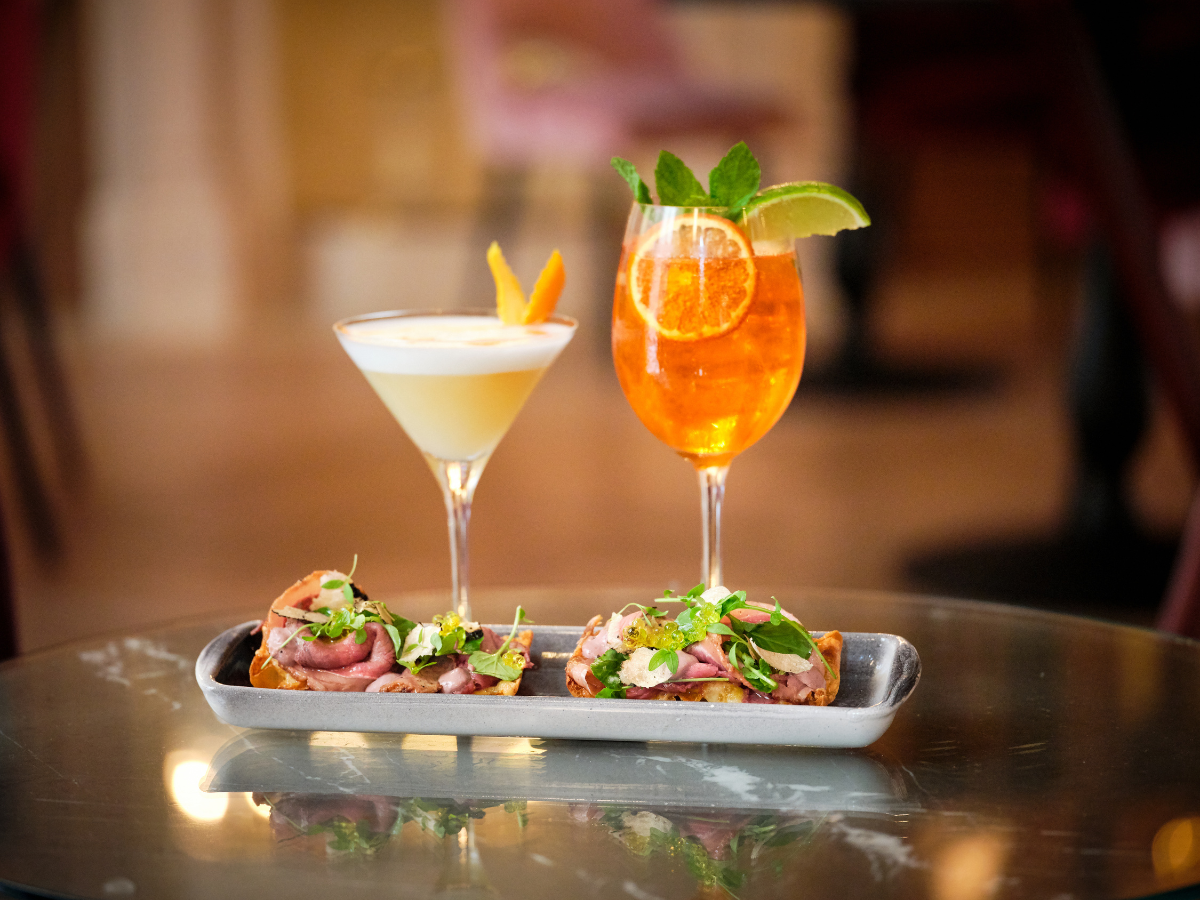
One of the easiest ways to improve a cocktail pairing is by understanding how different spirits interact with food. Each base spirit brings its own flavor characteristics, intensity, and texture, which can either complement or compete with an appetizer depending on the combination.
The best pairings usually create balance. Some cocktails refresh the palate between bites, while others deepen savory flavors or highlight sweetness and spice within a dish. Choosing the right spirit for the type of appetizer being served helps create a more cohesive and enjoyable experience for guests.
How Gin Pairs With Fresh And Herbaceous Appetizers
Gin is often associated with bright, crisp, and botanical flavors. Because of its herbal notes and citrus-forward profile, it pairs especially well with lighter appetizers that emphasize freshness.
Cucumber bites, smoked salmon, goat cheese crostini, and seafood appetizers tend to work naturally alongside gin cocktails. The botanicals in gin can enhance ingredients like dill, basil, mint, citrus, and fresh vegetables without overpowering them.
A well-balanced gin cocktail pairing also works nicely with appetizers that contain acidic or briny elements. Olives, pickled vegetables, and lightly salted seafood can bring out the spirit’s complexity while keeping the palate refreshed.
This makes gin one of the more versatile spirits for spring and summer entertaining, where lighter appetizers are often featured.
Why Whiskey Complements Richer Appetizers
Whiskey-based cocktail pairing typically works best with foods that have deeper, more savory flavors. The oak, spice, caramel, and smoke notes found in many whiskeys pair naturally with heavier appetizers and grilled foods.
Charcuterie boards, smoked meats, aged cheeses, sliders, and roasted mushrooms often complement whiskey cocktails particularly well. These appetizers have enough richness and intensity to stand alongside bold spirits without becoming overwhelmed.
Preparation style also matters here. Grilled or smoked foods tend to pair especially well with bourbon, rye, or smoky whiskey cocktails because the flavors reinforce one another. In some cases, the cocktail can even highlight subtle spice or wood notes within the dish itself.
For colder seasons or evening gatherings, whiskey-based cocktail pairing often creates a warmer and more substantial dining experience.
How Rum Works With Tropical And Sweet-Savory Flavors
Rum is highly adaptable because it ranges from light and crisp to dark and molasses-rich. In many cocktail pairing situations, rum performs especially well with tropical ingredients, sweeter appetizers, and foods that balance savory and fruity flavors together.
Shrimp cocktails with citrus, pineapple salsa, jerk chicken skewers, coconut-based appetizers, and grilled fruit dishes all pair naturally with rum cocktails. The slight sweetness found in many rum drinks helps round out spice, acidity, and salt within these foods.
Lighter rum cocktails often feel refreshing and easygoing, while darker rum drinks pair better with caramelized or spiced appetizers that carry more depth.
Rum also works particularly well in outdoor entertaining settings because it pairs comfortably with bright flavors, grilled foods, and relaxed appetizer menus.
Why Preparation Methods Influence Cocktail Pairing
The way food is prepared can completely change how it interacts with a spirit. A raw or lightly poached seafood appetizer may pair beautifully with gin or vodka, while the same seafood grilled over charcoal could pair better with whiskey or mezcal because of the added smokiness.
Fried appetizers often benefit from cocktails with acidity or carbonation that cut through heavier textures. Citrus-forward cocktails, sparkling drinks, or herbaceous spirits can help cleanse the palate between bites.
Roasted, smoked, or heavily seasoned foods usually require stronger cocktail pairing choices that can stand up to bold flavors without disappearing beside the dish.
Creating More Balanced Pairings
Successful cocktail pairing is less about following strict rules and more about understanding balance. The spirit should complement the appetizer without dominating it, while the food should allow the cocktail’s flavor profile to remain noticeable.
Lighter spirits generally pair best with delicate foods, while darker or more robust spirits work better with richer appetizers and stronger seasonings. Paying attention to flavor intensity, texture, sweetness, acidity, and preparation style helps create combinations that feel intentional and enjoyable.
With the right approach, cocktail pairing can elevate both the food and the drinks while creating a more memorable experience for guests.
How Can Flavor Profiles Guide Your Food And Drink Matching Guide?
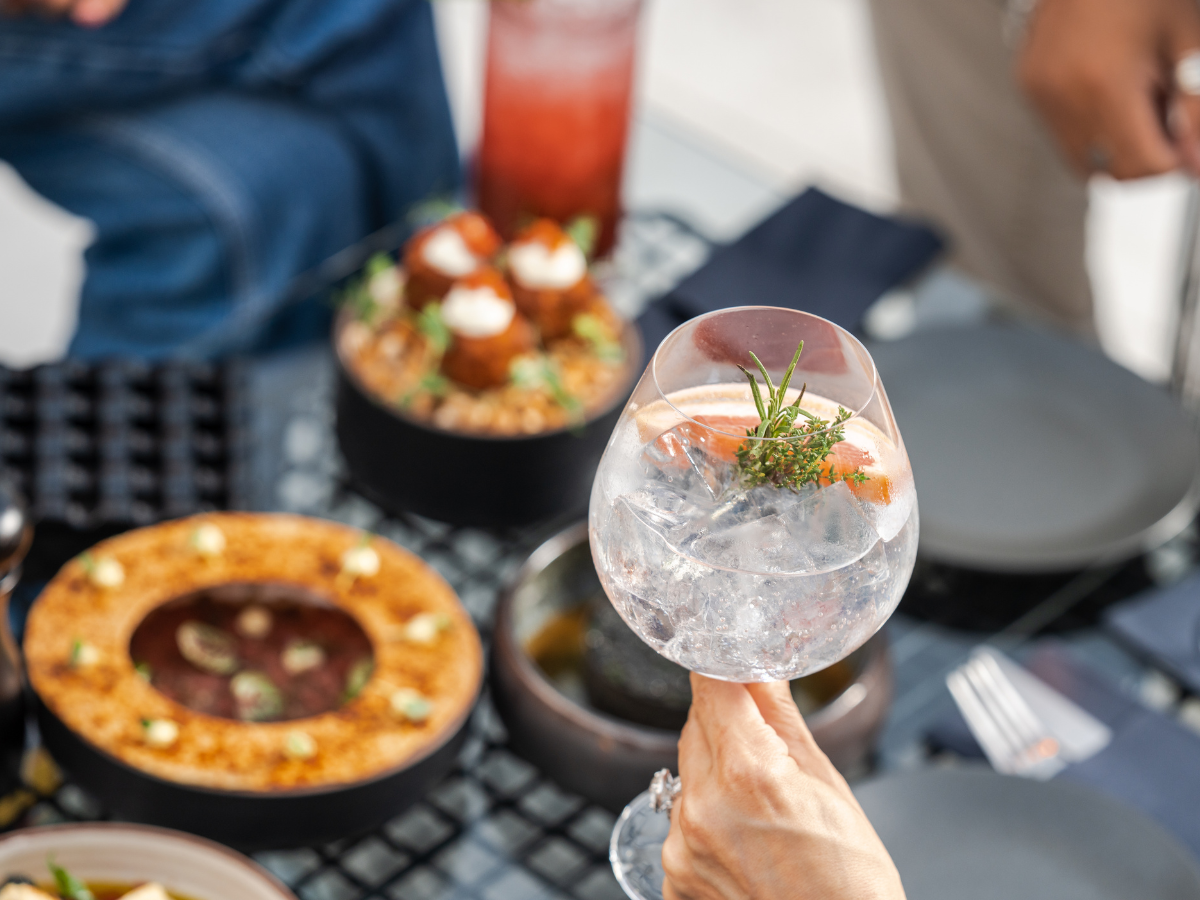
Understanding flavor profiles is one of the most useful ways to improve cocktail pairing. Instead of choosing drinks and appetizers randomly, flavor profiles help create combinations that feel balanced, intentional, and more enjoyable overall.
Every cocktail and every dish contains dominant flavor characteristics such as sweet, savory, bitter, acidic, smoky, or spicy. When these elements are paired thoughtfully, they can either complement each other or create contrast that keeps the palate engaged throughout the meal.
A strong cocktail pairing does not require complicated recipes or expensive ingredients. In many cases, simply recognizing how flavors interact can dramatically improve the dining experience.
How Sweet Flavors Create Contrast
Sweetness is often used strategically in cocktail pairing because it helps soften stronger or spicier foods. Cocktails with fruit, citrus, syrup, or mint-based sweetness can balance appetizers that contain heat, salt, or bold seasoning.
For example, a mojito paired with spicy shrimp or jalapeño-based appetizers creates contrast that feels refreshing rather than overwhelming. The sweetness and citrus in the cocktail help cool the palate while still allowing the spice in the food to stand out.
Sweet cocktails also pair well with salty foods because the opposing flavors naturally balance each other. This is one reason tropical drinks often work well with grilled meats, salty snacks, or appetizers featuring cured ingredients.
The key is moderation. Excessive sweetness in both the drink and the dish can quickly become overpowering, so balance remains important.
Why Savory Pairings Feel More Substantial
Savory cocktails bring a completely different experience to cocktail pairing. Drinks with herbal, smoky, vegetal, or umami-rich ingredients often work best alongside hearty appetizers and richer foods.
A Bloody Mary, for instance, pairs naturally with stuffed mushrooms, cheese boards, bacon-based appetizers, or roasted vegetables because the drink already contains savory depth from tomato, spice, and herbs.
Savory cocktail pairing tends to create a more substantial and meal-like atmosphere compared to lighter fruit-forward drinks. These combinations often work especially well during brunches, evening gatherings, or colder seasons when guests gravitate toward richer flavors.
Herbs, infused spirits, smoked ingredients, and spice blends can all contribute to savory pairings that feel layered and complex without becoming overly heavy.
How Bitter Cocktails Balance Rich Foods
Bitterness plays an important role in balancing fatty or rich dishes. Cocktails like an Old Fashioned, Negroni, or other spirit-forward drinks often contain bitter notes that help cut through heavier textures and refresh the palate.
This style of cocktail pairing works particularly well with foods like pork belly, duck, aged cheeses, charcuterie, or buttery appetizers. The bitterness prevents the meal from feeling overly rich while adding depth to the overall flavor experience.
In many cases, bitter cocktails also highlight subtle caramel, spice, or smoky flavors within the food that may otherwise go unnoticed.
Because these drinks are often stronger and more intense, they typically pair better with appetizers that have enough richness or seasoning to match their bold character.
The Value Of Seasonal Ingredients In Cocktail Pairing
Seasonal ingredients can dramatically improve cocktail pairing because fresh produce often delivers stronger and more balanced flavors naturally. Seasonal fruits, herbs, and vegetables usually require less manipulation, allowing both the food and drink to taste cleaner and more vibrant.
During summer, fresh citrus, berries, cucumber, basil, and tomatoes pair beautifully with lighter spirits like gin, vodka, or tequila. These ingredients create refreshing combinations that feel bright and easy to enjoy outdoors.
In colder months, seasonal ingredients shift toward apples, pears, cinnamon, root vegetables, and darker herbs, which tend to pair better with whiskey, bourbon, rum, or spiced cocktails.
Using seasonal ingredients also allows hosts to create pairings that feel more connected to the time of year rather than relying on the same flavor combinations year-round.
Building Better Pairings Through Flavor Awareness
Successful cocktail pairing often comes down to understanding how flavors interact rather than memorizing strict rules. Sweetness can soften spice, bitterness can balance richness, and savory elements can deepen the complexity of a dish.
By paying attention to flavor profiles, texture, intensity, and seasonality, hosts can create food and drink combinations that feel more balanced, enjoyable, and memorable for guests.
What Are Expert Mixology Pairing Tips For Cocktail And Snack Pairings?
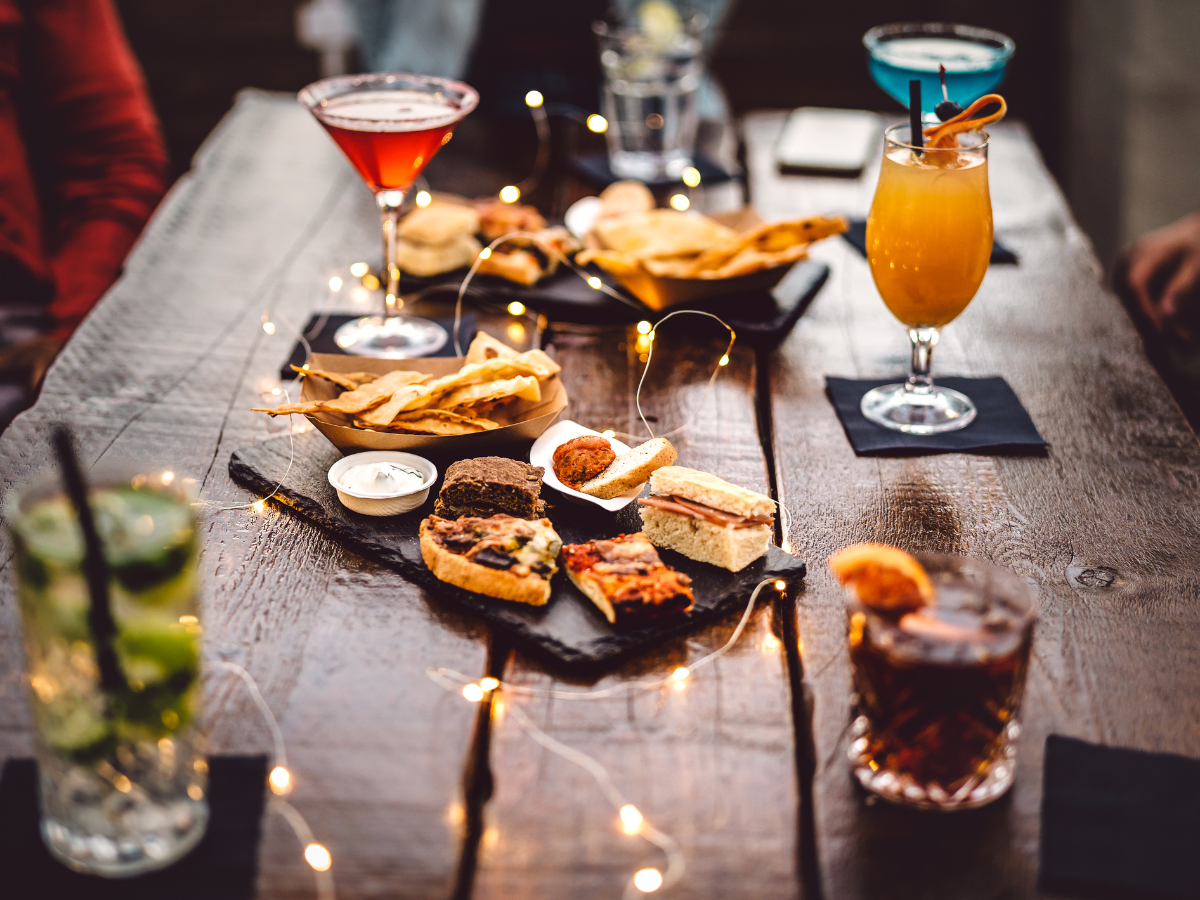
A successful cocktail pairing is about more than simply serving drinks alongside snacks. The best combinations feel connected, balanced, and intentional, allowing both the cocktail and the food to stand out without competing for attention.
Professional bartenders and mixology experts often focus on small details that influence the overall experience, including garnish selection, texture, aroma, temperature, and current cocktail trends. These elements may seem subtle on their own, but together they can dramatically improve how guests experience both the drinks and the food being served.
Why Garnishes Matter In Cocktail Pairing
Garnishes are often treated as decorative additions, but they also influence flavor, aroma, and presentation. In many cases, the garnish is the first thing guests notice before taking a sip, making it an important part of the cocktail pairing experience.
Fresh herbs, citrus twists, spices, and edible flowers can strengthen the connection between a cocktail and its accompanying snack. A mint garnish, for example, reinforces the refreshing qualities of a mojito while pairing naturally with lighter appetizers like shrimp skewers, cucumber bites, or fruit-based dishes.
Citrus garnishes are especially versatile because they brighten both cocktails and food. A lemon twist on a gin and tonic can complement seafood appetizers or salty snacks by adding freshness and acidity to the overall pairing.
Even savory garnishes can influence perception. Smoked rosemary, olives, pickled vegetables, or chili salt rims may help tie a cocktail more closely to charcuterie boards, grilled appetizers, or spiced foods.
Matching Texture And Temperature
Experienced mixologists also pay attention to texture when creating cocktail pairing combinations. Crisp, carbonated cocktails often pair well with fried or rich snacks because the bubbles help cleanse the palate between bites.
Creamy cocktails, meanwhile, usually work better with desserts or softer appetizers that share a similar texture. Pairing two extremely heavy or rich items together can sometimes make the experience feel overwhelming, so balance remains important.
Temperature matters as well. Cold cocktails paired with hot appetizers create a contrast that can feel refreshing and dynamic, especially during social gatherings where guests are eating and drinking slowly over time.
Common Cocktail Pairing Mistakes To Avoid
One of the most common mistakes in cocktail pairing is ignoring flavor intensity. A delicate snack can easily become overshadowed by a strong spirit-forward cocktail, while a bold appetizer may completely overpower a lighter drink.
Overcomplicating pairings is another issue. Some hosts attempt to combine too many competing flavors at once, which can create confusion rather than balance. Simpler combinations often work better because they allow individual ingredients to stand out more clearly.
Excessive sweetness can also become a problem. If both the cocktail and the snack are heavily sweetened, the pairing may feel unbalanced and overly rich. Adding acidity, bitterness, or savory elements often helps create better contrast.
How Current Mixology Trends Influence Pairings
Modern cocktail pairing trends have shifted toward fresher ingredients, craft spirits, and more balanced flavor profiles. Many bartenders now focus on cocktails that feel lighter, cleaner, and more ingredient-driven rather than relying solely on strong alcohol content.
This trend has influenced appetizer pairings as well. Smaller, fresher snacks made with herbs, citrus, vegetables, seafood, and seasonal ingredients are increasingly popular because they complement modern cocktail styles naturally.
Low-alcohol and session cocktails have also become more common in social settings. These drinks tend to pair better with lighter appetizers and grazing-style menus because they allow guests to enjoy multiple pairings throughout an event without overwhelming the palate.
Seasonal ingredients continue to play a major role in both mixology and food pairing. Fresh summer fruits, herbs, and citrus are often paired with crisp cocktails, while colder seasons bring richer spirits, spices, and heartier appetizers into focus.
Creating A More Memorable Guest Experience
The most effective cocktail pairing strategies focus on balance, simplicity, and intentional flavor connections. Small details like garnish selection, texture contrast, aroma, and seasonal ingredients can transform an ordinary snack-and-drink setup into a more memorable experience.
By understanding how cocktails interact with different foods, hosts can create pairings that feel polished and enjoyable without becoming overly complicated.
How Do Event Types Influence Cocktail And Food Pairing Choices?
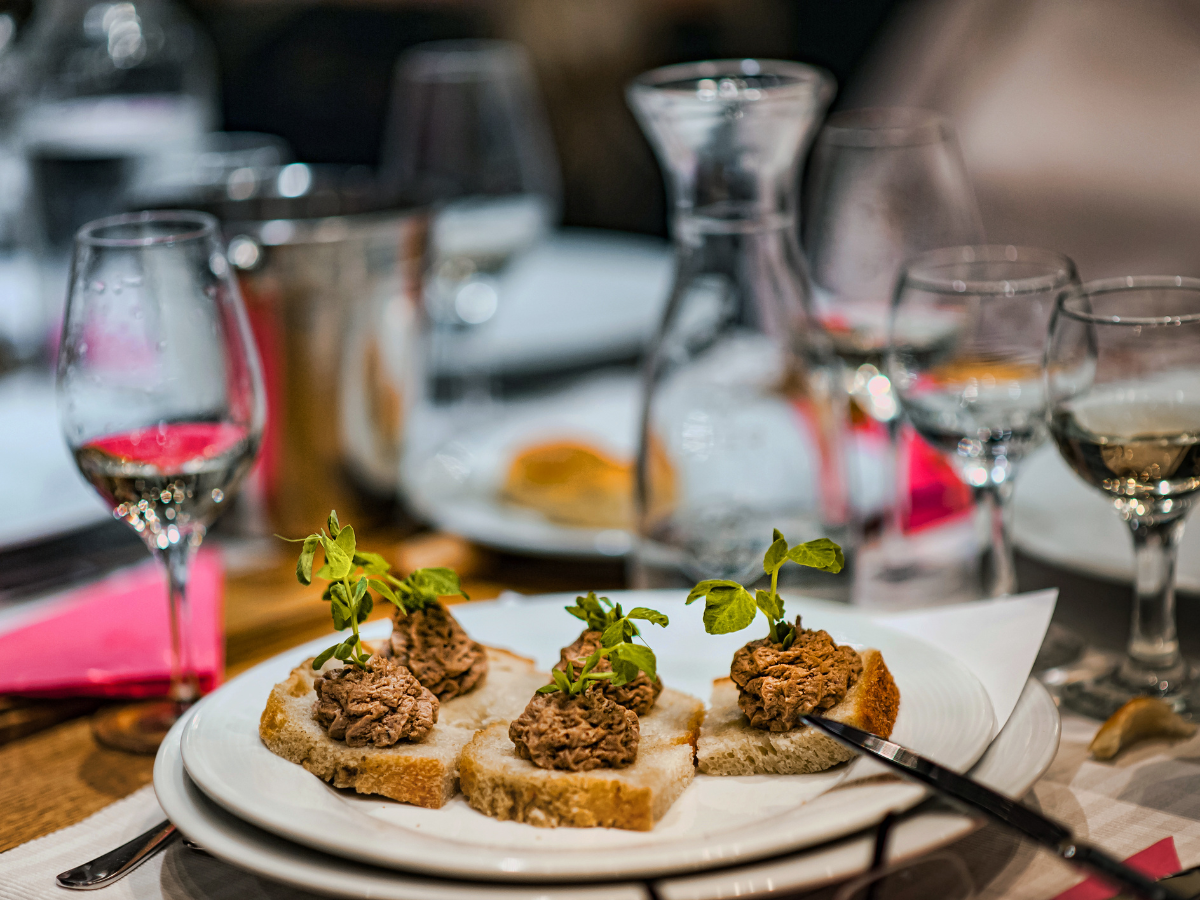
The type of event being hosted has a major impact on cocktail pairing decisions. A casual outdoor gathering usually calls for a very different approach than a formal wedding reception or a professional corporate event. The atmosphere, guest expectations, event schedule, and style of service all influence which drinks and appetizers work best together.
Thoughtful cocktail pairing helps create a more cohesive experience by aligning the food and drinks with the tone of the occasion. When pairings feel appropriate for the setting, guests tend to engage more naturally with the menu and enjoy the event as a whole.
Why Event Atmosphere Matters In Cocktail Pairing
Every event has its own energy, and cocktail pairing should support that atmosphere rather than compete with it. Formal events often benefit from polished, refined pairings that feel elevated without being overly complicated, while casual gatherings may lean toward approachable flavors and interactive food stations.
The timing of the event also matters. Afternoon celebrations typically work better with lighter cocktails and refreshing appetizers, while evening events often allow for richer drinks and heartier foods.
Guest demographics, venue style, and seasonality can all influence pairing choices as well. Outdoor summer events, for example, usually favor crisp cocktails, citrus flavors, and lighter appetizers, while colder-weather gatherings often call for whiskey-based drinks, warm spices, and more savory food options.
Cocktail Pairing Ideas For Weddings
Weddings typically focus on creating a celebratory and elegant atmosphere, which is why sparkling cocktails and visually polished presentations are so common. Champagne cocktails, spritzes, signature drinks, and light gin or vodka cocktails often pair well with upscale appetizers because they feel festive without overwhelming guests early in the event.
Canapés, seafood bites, mini quiches, bruschetta, and delicate hors d’oeuvres are popular choices because they complement lighter cocktails while remaining easy to serve during cocktail hours and receptions.
Signature cocktail pairing has also become increasingly popular at weddings. Many couples choose drinks that reflect their personalities, cultural influences, or favorite flavors, then pair appetizers specifically around those ingredients. This creates a more personalized experience while helping the menu feel intentional from start to finish.
Balance is especially important during weddings because guests are typically eating and drinking over several hours. Cocktails that are too strong or overly sweet can become overwhelming during long receptions.
Pairing Strategies For Corporate Events
Corporate events usually require a different cocktail pairing approach because the atmosphere tends to be more professional and structured. In these settings, guests often prefer familiar cocktails and approachable food pairings that encourage conversation without becoming distracting.
Classic cocktails such as martinis, old fashioneds, whiskey sours, or light highballs often work well because they feel polished and recognizable. Pairing these drinks with sliders, skewers, flatbreads, charcuterie, or savory appetizers creates a menu that feels substantial while remaining easy to manage in networking environments.
Corporate cocktail pairing also benefits from simplicity and consistency. Guests may arrive and leave at different times, so appetizers that can hold their quality during service are often more practical than delicate dishes requiring immediate presentation.
The goal is usually to create a comfortable social environment where guests can interact naturally while still enjoying elevated food and drinks.
How Customized Menus Improve The Guest Experience
Customizing menus around specific cocktail pairing choices can make events feel more cohesive and memorable. Rather than treating food and drinks as separate elements, pairing them intentionally creates smoother flavor transitions and stronger visual presentation throughout the event.
For example, a tropical-themed gathering might feature rum cocktails paired with citrus seafood appetizers and grilled fruit dishes, while a winter event may center around bourbon cocktails with smoked meats, roasted vegetables, or aged cheeses.
Customized pairings also encourage guests to try combinations they may not normally select themselves. This creates interaction, conversation, and a more engaging dining experience overall.
Creating Cohesive Pairings For Different Occasions
Successful cocktail pairing depends heavily on understanding the tone and purpose of the event. Weddings, corporate functions, private parties, and seasonal gatherings all require different approaches to flavor, presentation, and service style.
By considering the atmosphere, guest expectations, and flow of the event, hosts can create cocktail pairing combinations that feel balanced, intentional, and well-suited to the occasion.
Conclusion
The right cocktail pairing can elevate a meal by enhancing flavors, balancing textures, and creating a more memorable dining experience for guests. Whether you are planning an intimate dinner party, wedding reception, corporate gathering, or large celebration, thoughtful food and drink pairings can add a refined and personalized touch to any event.
Working with an experienced catering team makes it easier to create a menu that feels cohesive, flavorful, and perfectly suited to the occasion. For expertly crafted menus and professional catering services, choose A Delightful Bitefull Catering. Ready to create an unforgettable dining experience for your next event? Call (770) 565-4146 or fill out our website form today to get started.