
Great business events are built on meaningful conversations, and the right atmosphere can make those connections happen more naturally. While networking often takes center stage, the food and service behind the scenes play a bigger role than many organizers realize.
Thoughtfully planned catering encourages guests to mingle, stay engaged, and enjoy the experience without unnecessary interruptions. How networking catering helps create better business events comes down to more than serving a meal.
Strategic menu planning, efficient service, and well-designed food stations can encourage interaction, accommodate diverse dietary preferences, and keep the event running smoothly.
Whether you’re hosting a client mixer, corporate reception, or industry conference, quality catering enhances both the guest experience and your organization’s professional image. With the right catering approach, your event can foster stronger connections, leave a lasting impression, and create an environment where business relationships thrive.
Networking Catering Ideas That Elevate Corporate Events
How Strategic Catering Creates Better Networking Opportunities

The success of a networking event depends on more than bringing people together in the same room. The food, service, and overall dining experience influence how long guests stay, how comfortable they feel, and how easily conversations develop.
A well-planned networking catering strategy helps create an inviting environment where meaningful business relationships can form naturally.
Choose Catering That Encourages Conversation
The food you serve can have a greater impact on a networking event than many people realize. Well-planned catering helps create a comfortable atmosphere where guests feel encouraged to stay, mingle, and build new connections.
Rather than serving as a simple meal, catering becomes part of the overall event experience by supporting conversation and keeping attendees engaged throughout the gathering.
Choosing a professional provider is an important part of developing an effective networking catering strategy. Experienced caterers understand how to match menus with the style and purpose of an event, whether it’s a business mixer, client appreciation event, conference, or industry reception.
They can recommend food that is easy to enjoy while standing and socializing, helping guests move naturally through the space instead of remaining tied to a dining table.
Customizable menus are another advantage. Every audience is different, and offering a thoughtful selection of dishes allows hosts to accommodate dietary preferences while reflecting their company’s personality or event theme. A carefully planned menu demonstrates attention to detail and helps create a welcoming environment for every attendee.
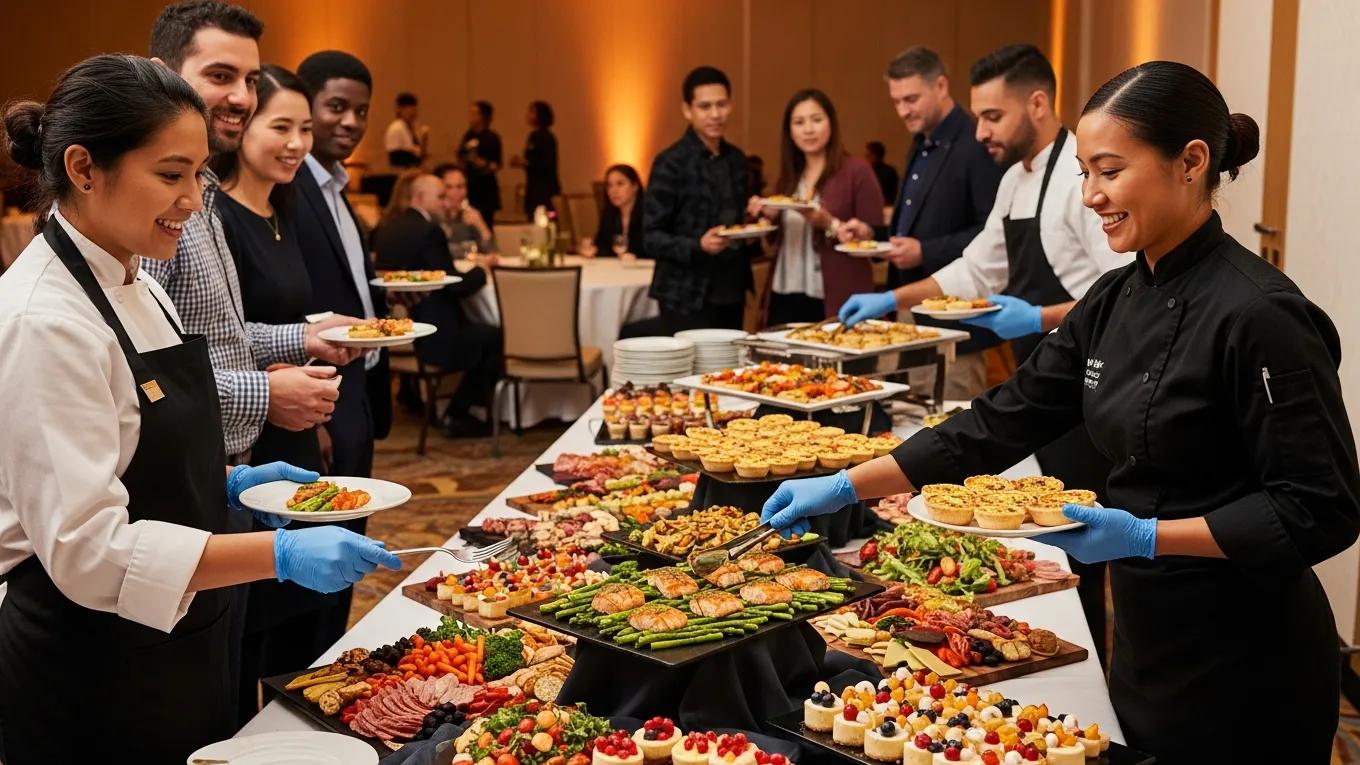
Interactive food stations can add another layer of engagement. Whether guests are customizing small plates, sampling chef-prepared items, or visiting multiple serving stations, these experiences naturally encourage movement and conversation.
Instead of creating long periods where everyone is seated separately, interactive dining keeps people circulating and provides easy opportunities to start conversations with new contacts.
Professional presentation also contributes to the overall impression. Attractive displays, organized service, and attentive staff reinforce the professionalism of the event and allow hosts to focus on building relationships rather than managing food service.
When networking catering is planned with both hospitality and functionality in mind, it becomes an important tool for supporting meaningful business interactions.
Plan Service and Event Flow for Better Guest Engagement
A successful networking event depends on more than selecting an appealing menu. Behind the scenes, careful planning ensures that food service runs smoothly from beginning to end. Timing, staffing, and serving logistics all influence how guests experience the event, even if they never notice these details directly.
Food should be available when attendees are most likely to gather, and service should continue at a pace that supports conversation without causing unnecessary interruptions. Keeping hot dishes warm, cold items fresh, and serving areas well stocked helps maintain a positive guest experience throughout the event.
The venue layout is another important consideration. Placing food stations in strategic locations encourages guests to move through the space, making it easier for people to meet others instead of clustering in one area. This simple adjustment can significantly improve the flow of the event and create more opportunities for organic conversations.
After the event, gathering feedback can provide valuable insight for future planning. Guests may comment on portion sizes, menu variety, dietary accommodations, or the overall dining experience. Reviewing this feedback helps organizers identify what worked well and where improvements can be made for future events.
Adapting future menus based on attendee preferences demonstrates responsiveness and helps create events that people genuinely look forward to attending. Over time, these refinements contribute to stronger guest satisfaction and increased participation.
Ultimately, successful networking catering is about much more than serving good food. It combines thoughtful menu planning, professional execution, and strategic event design to create an environment where conversations happen naturally.
When catering supports the goals of the event instead of simply filling a schedule, guests leave with both a positive dining experience and stronger professional connections.
How to Design a Networking Catering Menu That Supports Business Connections

An effective menu does more than satisfy hungry guests. It supports the purpose of the event by making it easy for attendees to mingle, stay energized, and enjoy a variety of options throughout the gathering.
By carefully planning what is served and how it fits the audience, organizers can create a dining experience that complements professional networking rather than distracting from it.
Build a Menu That Appeals to a Diverse Audience
One of the biggest goals of networking catering is making every guest feel comfortable and included. A thoughtfully planned menu should offer enough variety to accommodate different tastes, dietary preferences, and food sensitivities without overwhelming attendees with too many choices.
Including a mix of proteins, vegetarian options, fresh produce, and lighter fare gives guests the flexibility to build a meal that suits their needs. Seasonal ingredients are another smart choice because they often provide better flavor while showcasing fresh, locally available products. A well-balanced menu demonstrates attention to detail and helps create a positive first impression.
Offering both nutritious selections and a few more indulgent items also allows guests to choose what fits their preferences. This balanced approach creates a welcoming atmosphere and encourages attendees to relax and focus on making connections rather than worrying about food options.
Choose a Service Style That Supports Networking
The way food is served has a direct impact on how guests interact throughout the event. While a formal plated meal may work well for conferences or award ceremonies, business mixers often benefit from service styles that encourage movement and conversation.
Buffets, passed hors d’oeuvres, grazing tables, and interactive food stations allow attendees to circulate naturally, making it easier to meet new people throughout the event. These formats reduce long periods of sitting and create natural opportunities for guests to strike up conversations while selecting food or waiting at a station.
When planning networking catering, it is equally important to consider timing. Refreshing food throughout the event and avoiding long service delays helps maintain energy and keeps guests engaged without interrupting conversations.
Balance Variety, Presentation, and Guest Experience
An effective catering menu is about more than selecting individual dishes. The overall experience should feel cohesive, from the visual presentation to the way flavors and portion sizes work together.
Offering a balance of savory and sweet options, hot and cold selections, and familiar favorites alongside a few unique items creates an interesting dining experience without feeling overly complicated. Small, easy-to-eat portions are often the best choice because they allow guests to continue conversations without the inconvenience of managing a full meal.
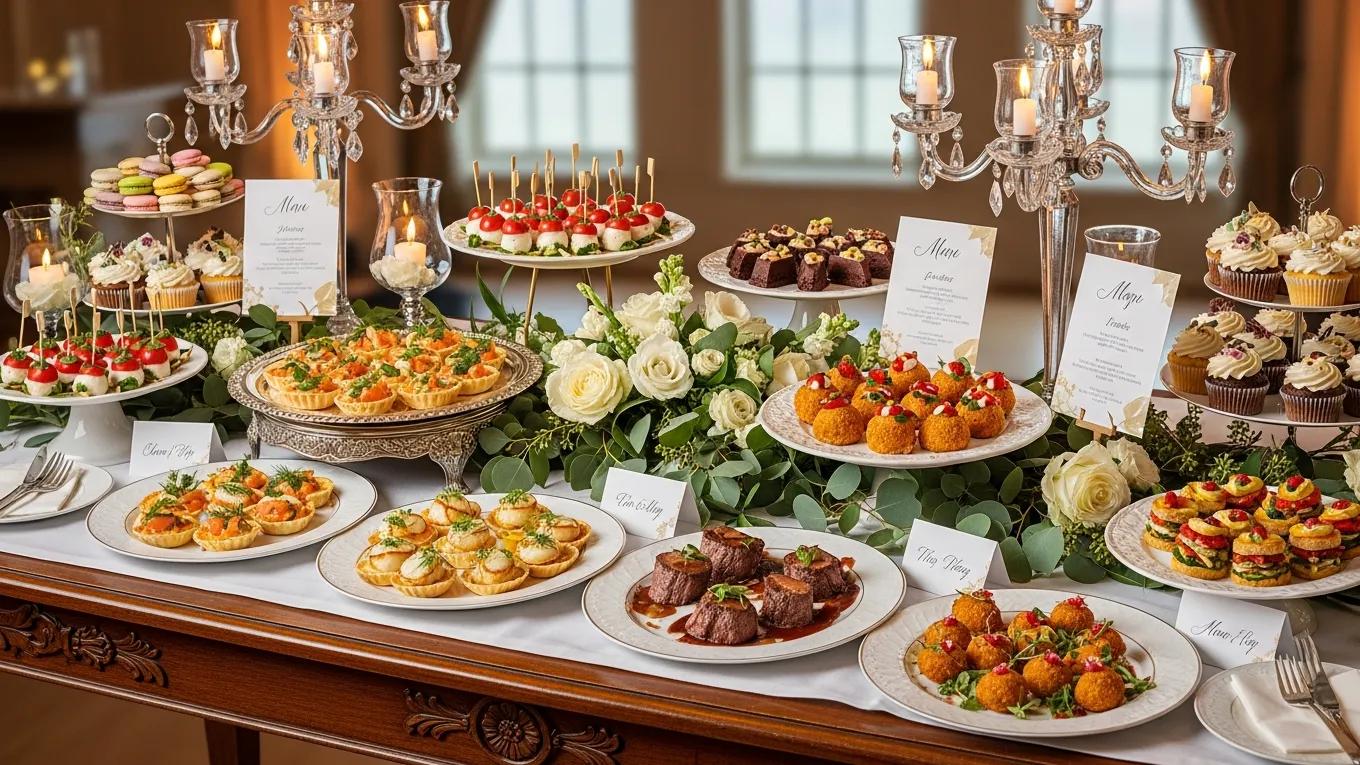
Presentation also plays an important role. Attractive displays and organized serving stations reinforce the professionalism of the event and encourage guests to explore different offerings. Clear labeling for dietary preferences such as vegetarian, vegan, or gluten-free options further improves the guest experience by making food choices simple and stress-free.
When these details come together, networking catering becomes more than a meal. It becomes an integral part of the event that encourages conversation, supports guest comfort, and helps create meaningful professional connections.
Choosing the Right Food for Successful Networking Catering Events
Selecting the right dishes is one of the most important decisions when planning a business networking event. The best menus strike a balance between convenience, presentation, and variety, allowing guests to eat comfortably while continuing conversations. Thoughtful food choices also leave a lasting impression and contribute to a more polished event experience.
Select Foods That Are Easy to Eat While Networking
One of the most important considerations when planning networking catering is choosing food that supports conversation rather than interrupting it. Guests should be able to enjoy their meal without juggling multiple utensils or stepping away from discussions. For this reason, bite-sized foods and handheld appetizers are often the best choice for business events.
Mini sliders, bruschetta, skewers, stuffed mushrooms, and small dessert bites allow attendees to continue moving through the venue while eating comfortably. These options minimize spills, reduce long lines, and make it easier for guests to focus on building professional relationships instead of managing a full meal.
The timing of service also matters. Serving light appetizers as guests arrive encourages people to gather naturally and begin conversations, while additional food stations later in the event help maintain energy without disrupting the flow of networking.
By selecting practical, easy-to-eat menu items, organizers create an environment where food complements the event rather than competing with it.
Create a Menu That Reflects Your Brand and Audience
A successful networking menu should align with both the audience and the purpose of the event. A client appreciation reception may call for elevated hors d’oeuvres and elegant presentation, while a community business mixer might benefit from approachable comfort foods with broad appeal. Understanding who will attend helps shape a menu that feels intentional rather than generic.
Offering a variety of cuisines is another effective way to accommodate diverse tastes. International flavors, regional specialties, or locally sourced ingredients can add personality to the event while giving guests something interesting to talk about. At the same time, maintaining a balanced selection of familiar favorites ensures that everyone can find something they enjoy.
Presentation is equally important. Attractive displays, coordinated serving platters, and thoughtful garnishes create a polished appearance that reflects positively on the event as a whole. Even simple menu items can leave a lasting impression when they are presented with care and attention to detail.
Incorporate Food Trends Without Sacrificing Practicality
Food trends continue to shape expectations for corporate events, but the most successful networking catering balances creativity with functionality. Interactive food stations remain a popular choice because they encourage movement throughout the venue and naturally create opportunities for guests to start conversations while waiting or customizing their selections.
Health-conscious menu options have also become increasingly important. Many attendees appreciate lighter dishes made with fresh vegetables, lean proteins, whole grains, and seasonal ingredients. Offering nutritious choices alongside a few classic favorites creates a menu that appeals to a wider range of dietary preferences without feeling restrictive.
Another growing trend is serving smaller portions that allow guests to sample several different items instead of committing to a large meal. Bite-sized offerings encourage exploration, reduce food waste, and help attendees remain comfortable while networking throughout the event.
Ultimately, the best networking catering menus combine practicality, presentation, and variety. By selecting foods that are easy to enjoy, visually appealing, and aligned with current dining preferences, event organizers can create a memorable experience that supports meaningful conversations and leaves guests with a positive impression long after the event concludes.
Creating an Inclusive Networking Catering Menu for Every Guest
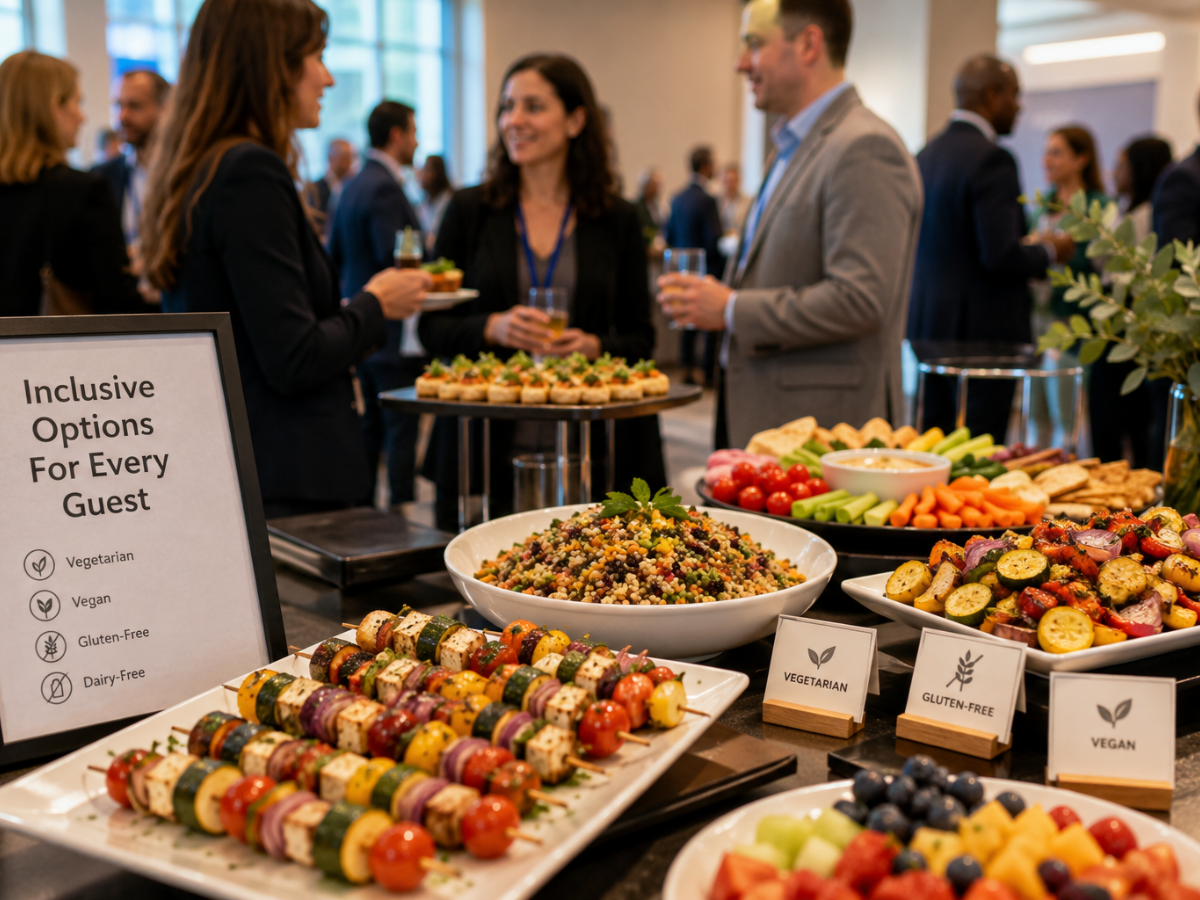
Every attendee should be able to enjoy the food with confidence, regardless of their dietary preferences or restrictions. Building an inclusive menu requires more than offering a few alternative dishes.
It involves thoughtful planning, clear communication, and a commitment to making every guest feel welcome. When networking catering accommodates a wide range of needs, it creates a more comfortable and enjoyable experience for everyone.
Plan for Dietary Needs Before the Event
An inclusive menu begins long before the first plate is served. When organizing networking catering, it’s important to understand the dietary needs of your attendees so everyone can participate comfortably.
Collecting dietary information during the registration process allows event planners to estimate how many vegetarian, vegan, gluten-free, dairy-free, or allergy-friendly meals may be needed.
Rather than treating these meals as afterthoughts, they should be planned as an integral part of the menu. Guests who require alternative options should have access to dishes that are just as thoughtfully prepared and visually appealing as the standard offerings. Taking this proactive approach demonstrates professionalism and shows attendees that every guest has been considered.
Planning ahead also helps caterers manage food quantities more accurately, reducing waste while ensuring that popular specialty items remain available throughout the event.
Accommodate Food Allergies and Dietary Restrictions Safely
Supporting guests with dietary restrictions goes beyond simply offering alternative dishes. Food safety and clear communication are equally important, particularly for attendees with serious allergies or medical dietary requirements.
Clearly labeling buffet items and appetizers allows guests to identify ingredients with confidence. Labels that indicate common dietary categories such as gluten-free, vegan, vegetarian, dairy-free, or nut-free simplify the dining experience and reduce uncertainty.
For larger events, catering staff should also be familiar with the menu so they can answer ingredient questions when needed.
Cross-contamination is another important consideration. Preparing allergy-friendly foods separately and using dedicated serving utensils helps reduce the risk of accidental exposure. These precautions provide peace of mind and allow guests to focus on networking rather than worrying about what they can safely eat.
Choose Inclusive Menu Items That Everyone Will Enjoy
The best networking catering menus avoid creating a divide between standard dishes and specialty meals. Instead, they feature flavorful options that naturally appeal to a wide variety of guests, regardless of dietary preferences.
Fresh vegetable skewers, grain-based salads, roasted seasonal vegetables, fruit platters, hummus with fresh vegetables or pita, and protein-rich plant-based dishes can be enjoyed by nearly everyone. Including these versatile options alongside traditional appetizers creates a balanced menu without making guests with dietary restrictions feel singled out.
Presentation also plays an important role. Attractive displays encourage all attendees to sample different foods, helping inclusive menu items become part of the overall dining experience rather than being viewed as alternatives. This approach creates a more welcoming atmosphere while giving every guest an opportunity to enjoy the event comfortably.
Ultimately, successful networking catering is about making every attendee feel valued. When dietary needs are considered early, communicated clearly, and incorporated into a thoughtfully designed menu, organizers create an event where guests can focus on building professional relationships instead of navigating food limitations.
Using Food Presentation and Service to Encourage Networking
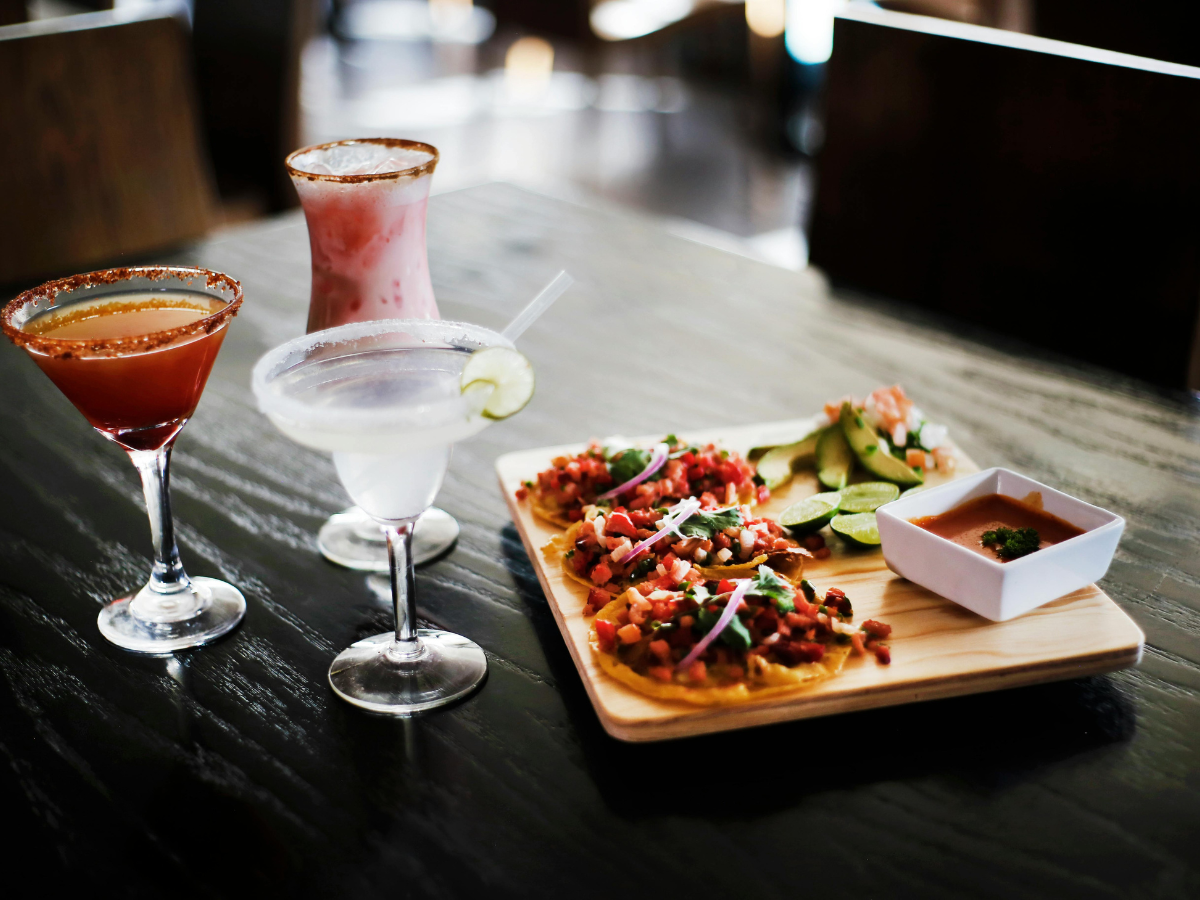
The food itself is only part of what guests remember after a successful networking event. How dishes are presented, where they are placed, and the way they are served all influence how attendees move through the venue and interact with one another.
A thoughtful networking catering strategy considers these details carefully, using food presentation and service to create natural opportunities for conversation while delivering a polished, professional experience.
Design Food Displays That Draw Guests Together
Presentation is often the first thing guests notice when they approach a catering display. Before anyone tastes the food, they form an impression based on how it is arranged, labeled, and displayed. Attractive presentations create a sense of quality and professionalism while making the event feel more welcoming.
For networking catering, the goal is to make serving areas inviting without becoming overly complicated. Clean layouts, coordinated serving dishes, and thoughtfully arranged platters encourage guests to browse comfortably and often become natural gathering points where conversations begin. Incorporating varied heights, fresh garnishes, and organized displays adds visual interest while making food easier to access.
Presentation can also reinforce an event’s branding or theme. Whether the gathering is formal, modern, or casual, a cohesive design helps create a polished experience that guests remember long after the event has ended.
Use Serving Styles That Support Natural Conversation
The way food is served can shape how guests move through the event. Rather than creating long lines or bottlenecks, an effective serving strategy encourages people to circulate and interact with different groups throughout the venue.
Multiple food stations placed around the room help distribute guests more evenly, reducing congestion while creating additional opportunities for introductions. Passed appetizers can also keep conversations flowing by bringing food directly to attendees instead of requiring everyone to leave their discussions at the same time.
When serving finger foods, practicality should remain a priority. Appetizers should be easy to hold, require minimal utensils, and be served in portions that can be enjoyed in just a few bites. This allows guests to continue conversations comfortably without worrying about balancing a large plate or interrupting a discussion to eat.
Well-timed replenishment is equally important. Keeping serving stations fully stocked throughout the event maintains a polished appearance and ensures guests have a consistent experience from beginning to end.
Create Interactive Dining Experiences That Spark Connections
Interactive dining experiences transform catering from a supporting service into an active part of the event. Rather than simply collecting food and returning to a table, guests are encouraged to explore different stations, customize their selections, and naturally interact with others along the way.
These shared experiences help break the ice and create conversation starters that feel authentic.
Build-your-own stations, chef-attended carving boards, gourmet coffee bars, dessert stations, and customizable appetizer displays all encourage movement throughout the venue. Even short waits at these stations can lead to introductions, discussions about the menu, or spontaneous networking opportunities that may not have happened otherwise.
Shared serving concepts, such as well-designed grazing tables or curated appetizer displays, also contribute to a more social atmosphere. Guests tend to gather around visually appealing food displays, making them natural meeting points throughout the event.
When these interactive elements are combined with attractive presentation and efficient service, networking catering becomes more than a meal. It becomes an experience that encourages meaningful conversations and helps attendees build stronger professional relationships.
Real-World Networking Catering Success Stories and Key Takeaways

Learning from successful events can help organizers make more informed decisions when planning future business gatherings. While every networking event has its own goals and audience, many of the same principles consistently lead to positive guest experiences.
Reviewing real-world networking catering examples highlights how thoughtful planning, quality food, and adaptability contribute to stronger engagement and more meaningful professional connections.
What Successful Networking Events Have in Common
Many successful networking events share a similar approach to catering. Rather than treating food as a secondary detail, organizers use it as part of the overall guest experience. Menus are designed to complement the event format, service is coordinated to encourage movement throughout the venue, and food selections reflect the needs of the audience.
One common characteristic is flexibility. Organizers who tailor their menus to the size, purpose, and demographics of the event often receive more positive feedback than those who rely on one-size-fits-all catering packages.
Whether the gathering is a small executive mixer or a large industry conference, adjusting the menu and service style to fit the occasion creates a more welcoming atmosphere.
Another recurring theme is the value of guest feedback. Reviewing attendee comments after an event helps planners identify which menu items were most popular, whether dietary accommodations met expectations, and how the catering experience supported networking. These insights can be used to make future events even more successful.
How Bitefull Catering Supports Corporate Networking Events
For businesses hosting events in the Atlanta area, working with an experienced catering partner can simplify planning while creating a polished guest experience. Bitefull Catering provides customizable menu options that can be adapted to a wide variety of corporate gatherings, from client appreciation events and networking mixers to conferences and company celebrations.
Customization is one of the company’s greatest strengths. Rather than offering identical menus for every occasion, Bitefull Catering works with clients to create food selections that match the event’s goals, guest preferences, and overall atmosphere. This flexibility allows organizers to provide a dining experience that feels intentional and professional instead of generic.
Attention to presentation and reliable service also contribute to successful events. Well-prepared food, attractive displays, and efficient service allow hosts to spend more time engaging with guests while creating an environment that supports meaningful conversations throughout the event.
Lessons to Apply to Your Next Networking Event
Looking across successful business mixers reveals several practical lessons that can improve future event planning. First, thoughtful preparation almost always produces better results than simply choosing popular menu items. Understanding the audience, selecting an appropriate service style, and considering venue layout all contribute to a smoother guest experience.
Successful events also remain adaptable. Guest preferences continue to evolve, with increasing demand for inclusive menus, healthier choices, and interactive dining experiences. Event planners who embrace these trends without sacrificing convenience often create gatherings that feel current and engaging.
Perhaps the most valuable lesson is that networking catering works best when it supports the event’s purpose instead of competing with it. Food should encourage guests to mingle, remain comfortable throughout the event, and leave with a positive impression of both the experience and the organization hosting it.
By combining careful planning with quality execution, organizers can create networking events that people remember long after the final conversation has ended.
Conclusion
Great catering can do more than satisfy your guests. It helps create an inviting atmosphere that encourages conversation, strengthens professional relationships, and leaves a lasting impression long after the event ends.
Whether you’re hosting a networking mixer, corporate luncheon, conference, or client appreciation event, a thoughtfully planned menu and professional service can elevate the entire experience.
For exceptional catering and personalized event planning, choose A Delightful Bitefull Catering. If you’re planning a business event and want to impress your guests with outstanding food and service, call (770) 565-4146 to speak with the team at A Delightful Bitefull Catering and get your event catered today.