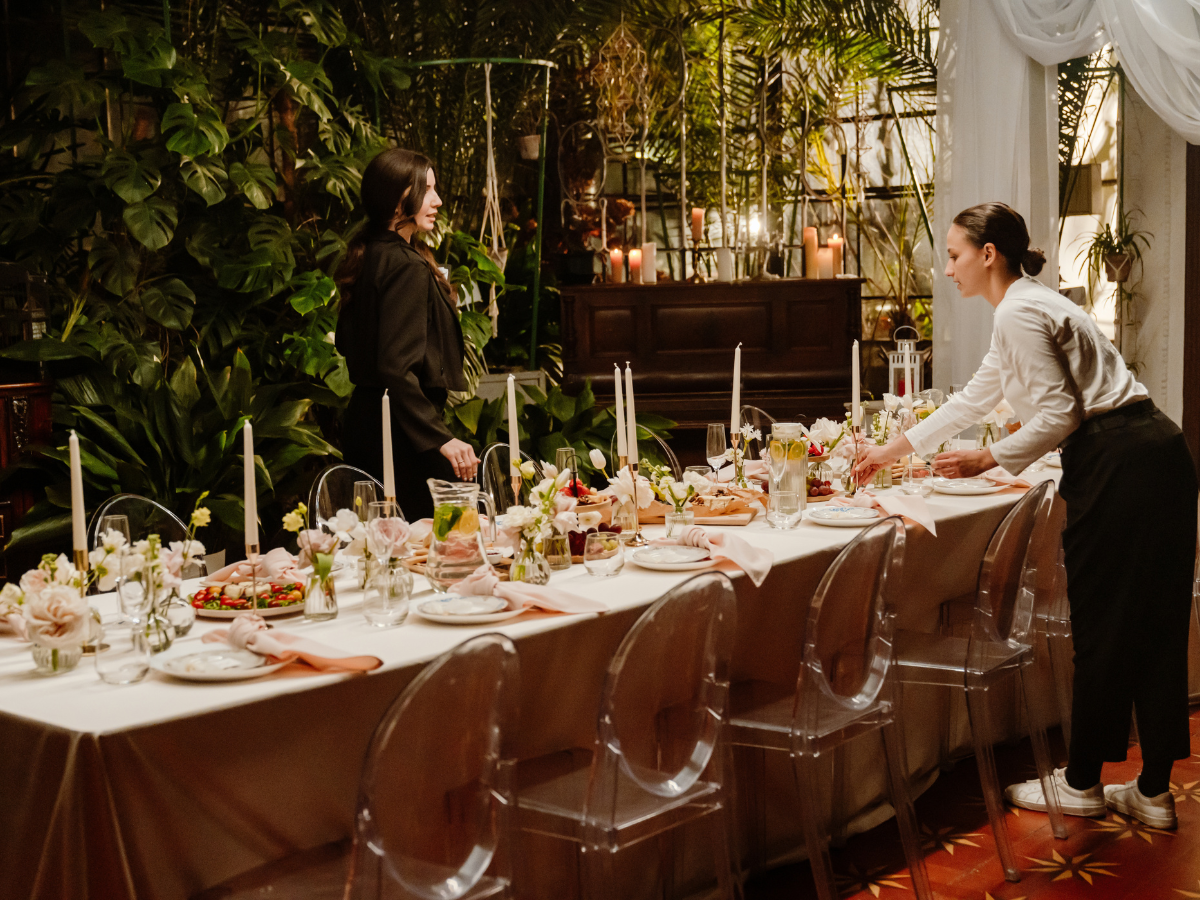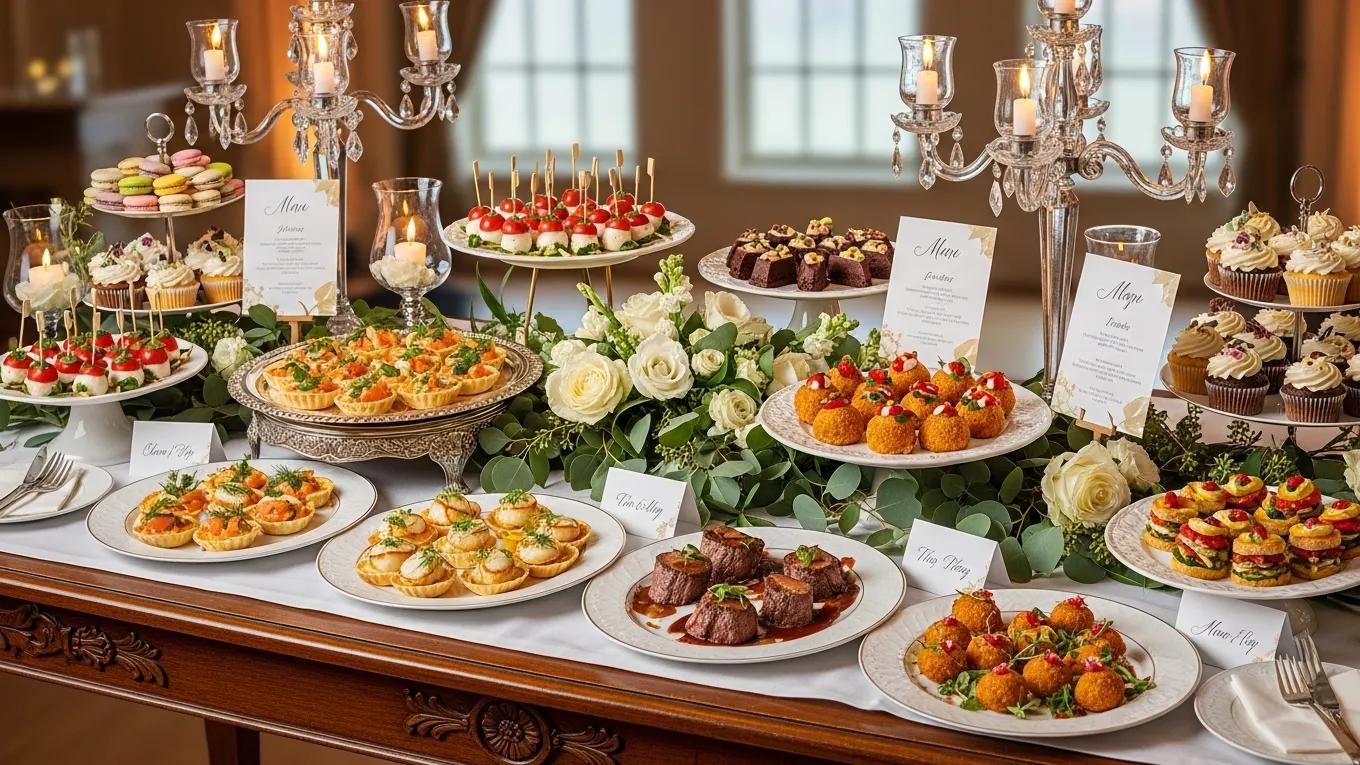

At a corporate conference, catering has to keep pace with the agenda. Coffee needs to be ready before the first session, lunch has to serve a crowd without derailing the schedule, and dietary needs must be handled without making attendees feel like an afterthought.
That’s where corporate conference catering becomes as much about coordination as cuisine. Full-service catering can bring menu planning, delivery, setup, service, timing, beverage stations, and cleanup together around the flow of the event. For Metro Atlanta conferences, everything from venue logistics and guest count to multi-day schedules can shape the catering plan.
When those details work seamlessly behind the scenes, organizers have one less moving part to manage. Attendees can stay focused, breaks run more smoothly, and the food becomes part of a well-organized conference experience.
Corporate Conference Catering for Meetings, Seminars, and Conventions
What Defines Professional Conference Catering in Metro Atlanta?

Professional corporate conference catering involves more than preparing food for a large number of people. The caterer must coordinate timing, service style, guest flow, dietary needs, venue requirements, staffing, setup, and cleanup so meals fit smoothly into the conference schedule rather than becoming another logistical problem for organizers.
That distinction matters most at conferences with multiple sessions, scheduled breaks, speakers, exhibitors, or attendees moving between rooms. Strong corporate conference catering should support the event’s timing and format while giving guests a consistent dining experience from the first meal through the final break.
Plan Service Around the Conference Schedule
Conference meals often have narrow service windows. Breakfast may need to be ready before registration opens, lunch may fall between sessions, and refreshments may need to appear during scheduled breaks without delaying the program.
A caterer should therefore understand more than the guest count. The planning process should account for arrival times, session schedules, room changes, setup access, serving duration, and how quickly guests need to move through the food service area.
For a shorter meeting, a simple buffet or boxed meal may work well. A full-day or multi-session event may require a more detailed plan involving breakfast, beverages, lunch, snacks, and staggered replenishment throughout the day.
Match the Menu to the Event Format
Menu planning should begin with the way attendees will actually eat. A plated lunch may suit a formal program with assigned seating, while buffet service can offer more flexibility for conferences where guests are moving between sessions or networking during meal periods.
The menu itself should also reflect practical considerations such as serving speed, portioning, temperature control, and ease of eating. Corporate event catering can include formats ranging from breakfast meetings and luncheons to buffets and hors d’oeuvres, so event planners should choose a service style that supports the agenda rather than selecting food in isolation.
Account for Dietary Needs Early
Dietary restrictions should be discussed before the menu is finalized, not addressed only when guests arrive. Ask how the caterer handles vegetarian or vegan meals, food allergies, gluten-free requests, religious dietary requirements, and other needs relevant to the attendee list.
Clear labeling and advance counts can make service easier for both staff and guests. For large conferences, organizers may also need a process for identifying special meals without creating confusion at the buffet or service line.
Design the Service for Large Groups
Large-group catering depends heavily on flow. A menu that works well for 30 guests may create bottlenecks when several hundred attendees try to eat during the same limited break.
Consider the number and placement of buffet lines, beverage stations, serving tables, and staff positions. Multiple service points may be necessary for larger groups, particularly when the venue has several rooms or when attendees must return to sessions quickly.
The room layout matters as well. Food stations should not block entrances, registration areas, presentation equipment, or major walkways, and service teams need enough access to replenish food without disrupting guests.
Clarify What Is Included in Catering Service
Before comparing proposals, determine which responsibilities are included beyond the food itself. Depending on the event and catering arrangement, this may include delivery, setup, serving equipment, disposable serviceware, linens, staff, beverage service, breakdown, or pickup.
Those details affect both cost and workload for the event organizer. Two proposals can appear similar until one requires the client to coordinate rentals, staffing, or cleanup separately.
Build in a Plan for Timing Changes
Conference schedules do not always run exactly as planned. Speakers go long, sessions end early, registration takes longer than expected, or attendance patterns shift during the day.
Ask how much flexibility the catering team has if service needs to begin slightly earlier or later. Not every change can be accommodated at the last minute, but discussing likely contingencies in advance can prevent confusion when the event schedule moves.
Evaluate the Entire Guest Experience
The food is important, but professional corporate conference catering also depends on how easily guests can access it, how quickly lines move, whether dietary needs are handled clearly, and whether service fits naturally around the event agenda. A polished meal that causes attendees to miss the next session is not a successful conference service plan.
For planners comparing corporate conference catering options in Metro Atlanta, the strongest proposal should connect menu choices with logistics, staffing, timing, venue setup, and guest flow. The goal is not simply to feed a large group, but to make food service function as a well-coordinated part of the conference itself.
How to Choose the Right Menu for a Corporate Conference
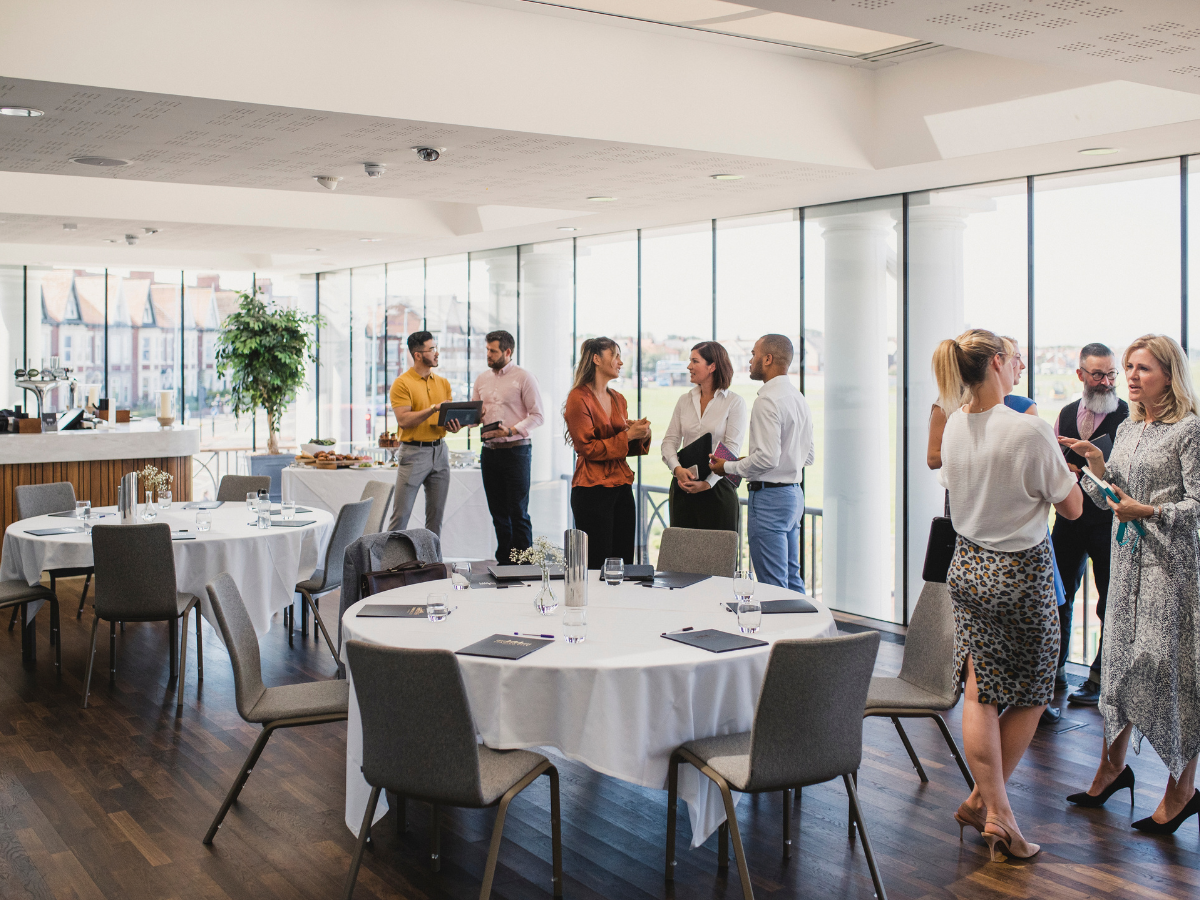
The best conference menu is not necessarily the one with the greatest number of entrées or the most elaborate presentation. For corporate conference catering, the menu has to work with the event schedule, guest count, venue setup, service window, and dietary needs while still providing enough variety to satisfy a large group.
Start with the practical demands of the event before choosing individual dishes. A working lunch with a 30-minute break calls for a different approach than an awards dinner, networking reception, or full-day conference with breakfast, lunch, and afternoon refreshments.
Match the Menu to the Service Style
Buffets can work well when attendees need flexibility and several choices, but they require enough space and serving points to prevent long lines. Plated meals create a more structured experience and make portioning easier to control, although they generally require accurate meal counts and closer coordination with the event schedule.
Boxed lunches can be useful when attendees need to return to sessions quickly or eat in separate meeting rooms. Bitefull’s current corporate lunch menus include sandwich, wrap, panini, grilled chicken, vegetarian, and other selections that can be served as boxed lunches, giving planners a practical starting point for shorter meal periods.
Build Variety Without Overcomplicating the Menu
Large conferences benefit from choice, but offering too many options can make ordering, labeling, replenishment, and guest flow more difficult. A balanced menu usually works better when it includes a manageable selection of proteins, vegetables, starches or grains, salads, and plant-forward choices that appeal to more than one dietary preference.
Variety should also be considered across the entire day. If breakfast is rich and substantial, lunch may benefit from lighter selections, while a long afternoon program may call for snacks or refreshments that are easy to serve without interrupting sessions.
Plan Dietary Accommodations Before Finalizing the Menu
Ask attendees about dietary needs early enough for the caterer to incorporate them into the plan. Vegetarian, vegan, gluten-free, allergy-related, religious, and other dietary requests may affect not only the food itself but also labeling, preparation, serving utensils, and how individual meals are distributed.
For mixed-diet groups, vegetarian catering options do not always need to be treated as separate specialty meals. Plant-forward salads, sides, appetizers, or entrées can often work for a broader portion of the guest list while still giving vegetarian attendees a complete meal.
Food allergies require more specific discussion than general dietary preferences. Event organizers should communicate known allergies clearly and ask how the caterer handles ingredients, preparation, labeling, and possible cross-contact so guests can make informed decisions.
Consider How the Food Will Hold During Service
Conference food may spend more time in transit, staging, or service than food prepared for a small dinner. Menu choices should therefore be evaluated for how well they maintain temperature, texture, and presentation throughout the expected serving period.
This is particularly important for buffets and large-group service. A dish that is excellent when served immediately may be less suitable if it must remain appealing while hundreds of guests move through several serving stations.
Use Seasonal Ingredients Where They Make Sense
Seasonal ingredients can add variety and help a menu feel appropriate to the time of year, but they should support the event rather than dictate it. Availability, guest preferences, preparation requirements, and service style still matter more than simply choosing ingredients because they are seasonal.
Bitefull notes that some of its menu selections can include locally grown or organic ingredients based on seasonal availability. For planners, the practical question is which seasonal choices will work well for the guest count, budget, and style of service rather than assuming local or seasonal ingredients are automatically the best fit.
Review the Menu as Part of the Full Event Plan
Before approving corporate conference catering, look at the menu alongside the conference timeline, room layout, serving method, guest count, and dietary list. The food should be realistic to prepare and serve within the available window without creating bottlenecks or forcing attendees to rush.
A successful conference menu balances choice with practicality. When menu selections, dietary accommodations, service style, and timing are planned together, the meal becomes an easy part of the attendee experience rather than a disruption to the event.
How Professional Caterers Coordinate Large Conference Events

Conference catering becomes more complex as the guest count, schedule, and number of service periods increase. For corporate conference catering, strong coordination means connecting the menu with the venue, event timeline, staffing plan, delivery access, setup requirements, and cleanup responsibilities before anyone arrives.
The goal is to prevent catering decisions from being made in isolation. A lunch menu may look straightforward on paper, for example, but it still has to be delivered, staged, served, replenished, and cleared within the time available between conference sessions.
Start With the Event Timeline, Not Just the Menu
Early planning should establish the event date, location, estimated attendance, meal periods, service style, and major schedule constraints. The caterer also needs to know when the venue becomes accessible, when registration begins, how long meal breaks last, and whether speakers or presentations will continue during food service.
This information creates the framework for later decisions about staffing, equipment, menu selection, and setup. Broader event planning and catering considerations can include venue logistics, staffing, rentals, guest flow, and scheduling, all of which can affect how efficiently food service operates.
Confirm the Venue Logistics Early
Large conferences may involve loading docks, freight elevators, restricted entrances, security procedures, parking limitations, or specific setup windows. Caterers should receive these details before the event so delivery vehicles, staff arrivals, and equipment movement can be planned around the venue’s requirements.
The service area should also be reviewed in advance. Organizers need to know where food will be staged, whether preparation space is available, where staff can work without blocking attendee traffic, and how buffet or beverage stations will fit into the room.
Build a Detailed Service Schedule
Once the conference agenda is established, the catering team can work backward from each serving time. Delivery, setup, food staging, final preparation, service, replenishment, breakdown, and room reset all require enough time to happen without interfering with sessions or guest movement.
For multi-meal events, planners should consider the entire day rather than treating breakfast, lunch, and refreshments as unrelated services. Staff and equipment may need to transition between service periods, and one delayed meal can affect everything scheduled after it.
Match Staffing to the Service Format
Staffing requirements depend on more than the number of attendees. A drop-off breakfast, staffed buffet, plated luncheon, and networking reception each require different levels of service and different responsibilities.
Clarify who will handle setup, buffet maintenance, beverage stations, guest assistance, clearing, and cleanup. For large corporate conference catering events, responsibilities should be specific enough that the organizer is not unexpectedly left managing serving tables or coordinating staff during the program.
Lock In Guest Counts and Menu Decisions
Headcounts affect food quantities, staffing, equipment, and seating arrangements, so organizers should know when final numbers are due. Menu deadlines matter as well because significant changes close to the event can affect purchasing, preparation, and logistics.
Review the caterer’s guest count, menu, and confirmation policies early in the planning process so internal RSVP deadlines can be scheduled appropriately. That gives the event team time to collect dietary requests and finalize attendance before contractual deadlines arrive.
Coordinate Dietary Meals With the Service Plan
Dietary accommodations are easier to manage when they are incorporated into the operational plan rather than handled at the last minute. The caterer should know how many special meals are required, how they will be identified, and where guests should go to receive them.
The serving method matters here. Individually labeled meals may work well for some conferences, while clearly marked buffet selections may be more practical for others. The organizer and caterer should agree on the process before service begins so attendees are not left searching for assistance during a short meal break.
Prepare for Schedule Changes
Conferences rarely follow the agenda to the minute. Sessions may run long, speakers may finish early, or attendance may shift between scheduled activities, so planners should discuss which timing changes the catering team can realistically accommodate.
That does not mean every service period can be moved without consequence. Food safety, preparation timing, staffing, and venue access can all limit flexibility, which is why likely contingencies should be discussed before the event rather than negotiated during a delay.
Clarify Breakdown and Cleanup Responsibilities
Coordination continues after the final guest leaves the serving area. The plan should establish who removes food, clears serving equipment, handles rentals, disposes of waste, and restores the catering area.
These details are particularly important when the venue has a firm move-out deadline or another event scheduled afterward. Clear responsibilities help prevent the conference organizer from discovering at the end of a long day that equipment, trash, or rented items still need attention.
Well-coordinated corporate conference catering is ultimately about sequencing dozens of small operational details around the larger event. When the caterer and organizer agree on timing, venue access, staffing, guest counts, service responsibilities, and contingency plans in advance, food service can support the conference without demanding constant attention from the event team.
How to Evaluate A Delightful Bitefull Catering for a Metro Atlanta Conference

Choosing a caterer for a conference is different from choosing one for a smaller social event. The decision should account for the provider’s experience with corporate events, ability to coordinate multiple service periods, menu flexibility, staffing, delivery logistics, and capacity to support the event without adding unnecessary work for the planning team.
A Delightful Bitefull Catering has served the Metro Atlanta area since 1989 and lists corporate events among its areas of experience. That history can be useful context, but planners should still evaluate the company against the same practical criteria they would use for any corporate conference catering provider.
Look for Relevant Corporate Event Experience
Conference catering can involve breakfast before registration, refreshments between sessions, lunch during a limited break, and sometimes an evening reception. Experience with corporate events matters because these meals must fit around an agenda rather than operate as the event’s main attraction.
Ask about events similar to yours in size, duration, venue type, and service format. A caterer that handles both smaller business meetings and larger corporate functions may be better positioned to explain how staffing, service stations, delivery timing, and food quantities should change as attendance grows.
Compare the Services Included in the Proposal
Price should be evaluated alongside what the proposal actually covers. Bitefull lists options that can include catering setup, serving equipment, disposable serviceware, service personnel, delivery, pickup, rentals, and other event-related support depending on the arrangement.
For a conference planner, the important question is which of those responsibilities will apply to the specific event. Confirm who handles setup, buffet maintenance, beverage service, rentals, clearing, breakdown, and any other operational details rather than assuming they are automatically included.
Evaluate Menu Flexibility Against the Event Format
A catering company’s range of menu options matters most when those choices can be adapted to the way guests will actually eat. A morning seminar may call for breakfast and coffee, while a full-day conference could require lunch, refreshments, and additional service periods with different timing and presentation needs.
A Delightful Bitefull Catering describes its event menus as customizable and offers formats ranging from buffets and plated meals to other event-specific arrangements. Rather than judging the provider on menu variety alone, compare the available options with your agenda, dietary requirements, serving window, and venue limitations.
Verify Claims About Food Quality and Sourcing
The company’s current materials describe food as made from scratch and state that it uses fresh, local produce and premium meats, with an emphasis on supporting local sourcing when possible. Those are useful considerations for planners who value ingredient quality, but they should be discussed in the context of the actual conference menu being proposed.
If sourcing is important to your organization, ask which ingredients on your selected menu are local, seasonal, or otherwise subject to availability. This is more useful than assuming that every dish automatically follows the same sourcing approach.
Use Testimonials as One Part of the Evaluation
Testimonials can help reveal patterns in professionalism, communication, food quality, and event execution, but they should not be the only basis for choosing a caterer. Look for feedback that resembles your own event, particularly comments involving business functions, large guest counts, complex timing, or multiple service periods.
Bitefull states that references from past clients are available upon request. For a large or high-stakes conference, asking for a relevant reference can provide more useful context than relying only on general testimonials.
Confirm the Details Before Booking
Before selecting any corporate conference catering provider, compare the final proposal against the full event plan. Confirm guest count deadlines, service times, menu selections, dietary accommodations, staffing, rentals, delivery access, setup responsibilities, payment terms, and what happens if the schedule or attendance changes.
A Delightful Bitefull Catering may be a strong option for Metro Atlanta events when its menu, service structure, and logistics align with those requirements. The most useful reason to choose any caterer, however, is not simply that it has a long history or positive reviews, but that its proposal clearly fits the needs of the conference you are actually planning.
Best Practices for Booking Conference Catering in Metro Atlanta

Booking corporate conference catering is easier when the important decisions are made in the right order. Before requesting proposals, organizers should have a working guest count, event date, venue, service schedule, budget range, and basic meal requirements so caterers can provide estimates based on comparable scopes of work.
For larger conferences, it also helps to begin the search well before menus need to be finalized. Availability can depend on the event date, guest count, staffing requirements, venue logistics, and the number of meal periods involved, so early planning gives both the organizer and caterer more room to solve potential problems.
Book Early Enough for the Size of the Event
There is no universal booking window that works for every conference. A small weekday meeting may require far less lead time than a large annual conference involving several meals, service staff, rentals, dietary accommodations, and hundreds of attendees.
A Delightful Bitefull Catering currently recommends booking catering at least four to six weeks in advance, while its guidance for larger events encourages an even longer planning window. For major conferences, beginning several months ahead can provide more flexibility with dates, menu development, staffing, and venue coordination.
Provide Useful Information When Requesting a Quote
A catering estimate is only as useful as the information behind it. Instead of asking for a general per-person price, give prospective caterers enough detail to understand what the event actually requires.
Include the expected guest count, venue, service times, number of meal periods, preferred service format, known dietary needs, and whether the event requires staff, rentals, beverages, setup, or cleanup. If attendance is still uncertain, provide a realistic range and ask when the final guaranteed count will be required.
Compare More Than the Menu Price
Corporate conference catering proposals should be compared according to the full scope of service, not simply the cost of the food. One quote may include equipment, setup, service personnel, and breakdown, while another may price some of those items separately.
Ask for enough detail to understand what is included in the quoted total and which costs could change later. Delivery charges, rentals, staffing, service charges, taxes, gratuity, and special menu requests can all affect the final amount depending on the caterer and event.
Ask Questions That Reveal How the Caterer Operates
Menu variety is important, but operational questions are often more useful when comparing providers for a conference. Ask how the catering team will work within the venue, schedule, and expected guest flow rather than limiting the conversation to individual dishes.
Useful questions include:
- Have you catered events similar to this one in guest count and format?
- What is included in the proposal, and which services are billed separately?
- When are the final menu and guaranteed guest count due?
- How are dietary restrictions and food allergies handled?
- How many service staff would you recommend for this event?
- Who coordinates setup and timing with the venue?
- What happens if attendance or the conference schedule changes?
- What are the deposit, payment, change, and cancellation terms?
- Who is the primary contact before the event and on the event day?
- What information do you need from the venue before service can be finalized?
These questions make it easier to compare how well each provider has thought through the event. Clear answers can also expose missing responsibilities before they become last-minute problems.
Review Contract and Cancellation Terms Before Paying a Deposit
Do not treat the contract as an administrative formality. Review the payment schedule, cancellation terms, guest-count deadlines, menu deadlines, included services, service charges, and policies for changes before confirming the booking.
Pay particular attention to what officially reserves the event date. Some caterers require both a signed agreement and a deposit, so an initial conversation or proposal should not automatically be assumed to mean the date is secured.
Confirm Venue Requirements Before Finalizing Service
The venue may impose rules that affect catering arrangements, including loading procedures, kitchen access, setup times, insurance requirements, cleanup expectations, or restrictions on outside equipment. Confirming those details early prevents the organizer from approving a catering plan that cannot be executed as expected.
For corporate conference catering, this coordination becomes especially important when several meal periods share space with presentations, breakout sessions, registration areas, or audiovisual equipment. The catering plan should work within the venue rather than forcing the event team to redesign the schedule around food service.
Reconfirm the Final Details Before the Event
As the conference approaches, verify the guaranteed guest count, dietary meals, serving times, venue access, staffing, equipment, floor plan, and day-of contact information. Any changes should be documented clearly so the organizer, caterer, and venue are working from the same information.
A strong booking process reduces uncertainty long before the first tray arrives. The best catering agreement is one that makes responsibilities, costs, deadlines, and expectations clear enough that the event team can focus on the conference rather than troubleshooting food service on the day itself.
Conclusion
Successful conference catering is about more than serving a meal. Thoughtful menu planning, dependable timing, professional presentation, and service that fits the event schedule can help everything run smoothly from the first arrival to the final session.
Whether you’re organizing a company meeting, multi-day conference, training event, or large corporate gathering in Metro Atlanta, A Delightful Bitefull Catering can help create a corporate catering plan that works for your guests and agenda. Call (770) 565-4146 to discuss your event with the team at A Delightful Bitefull Catering and get your conference catered today.