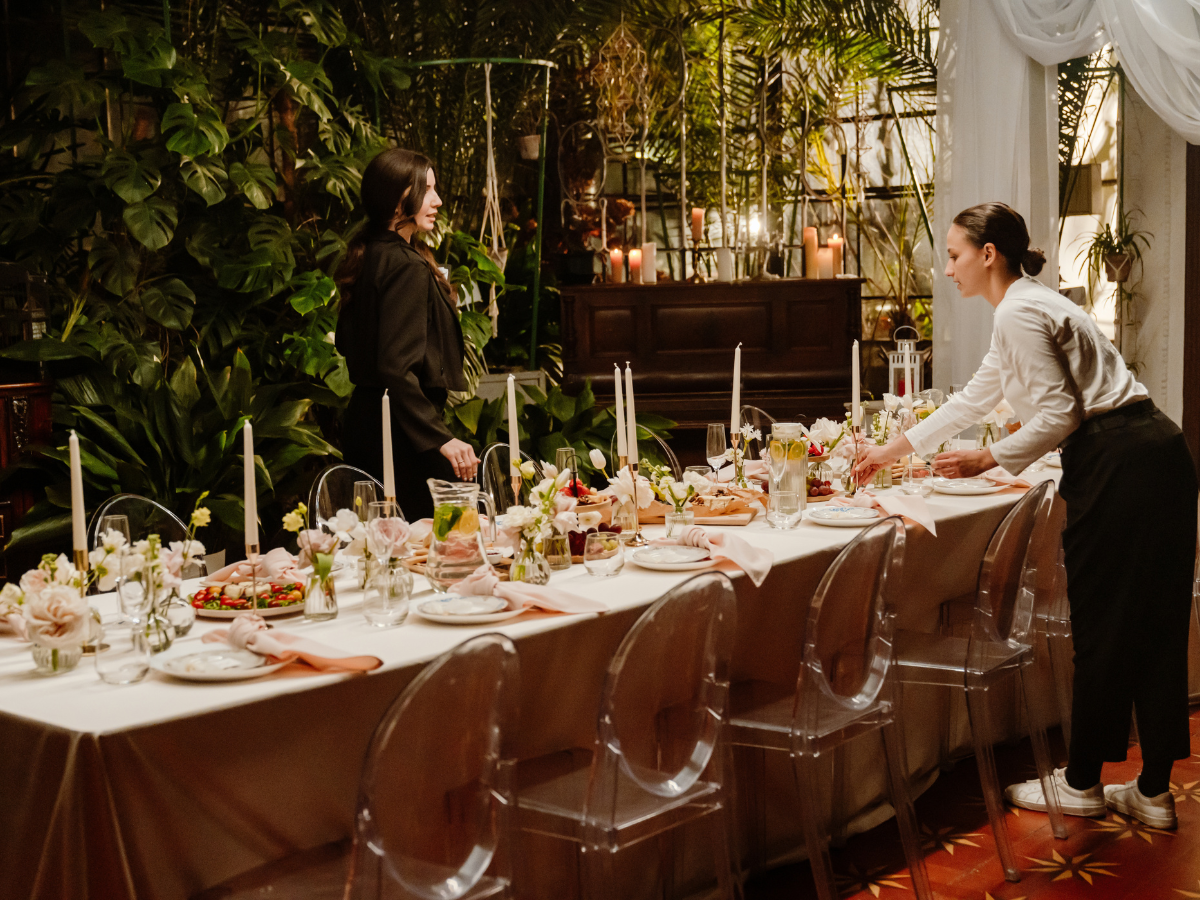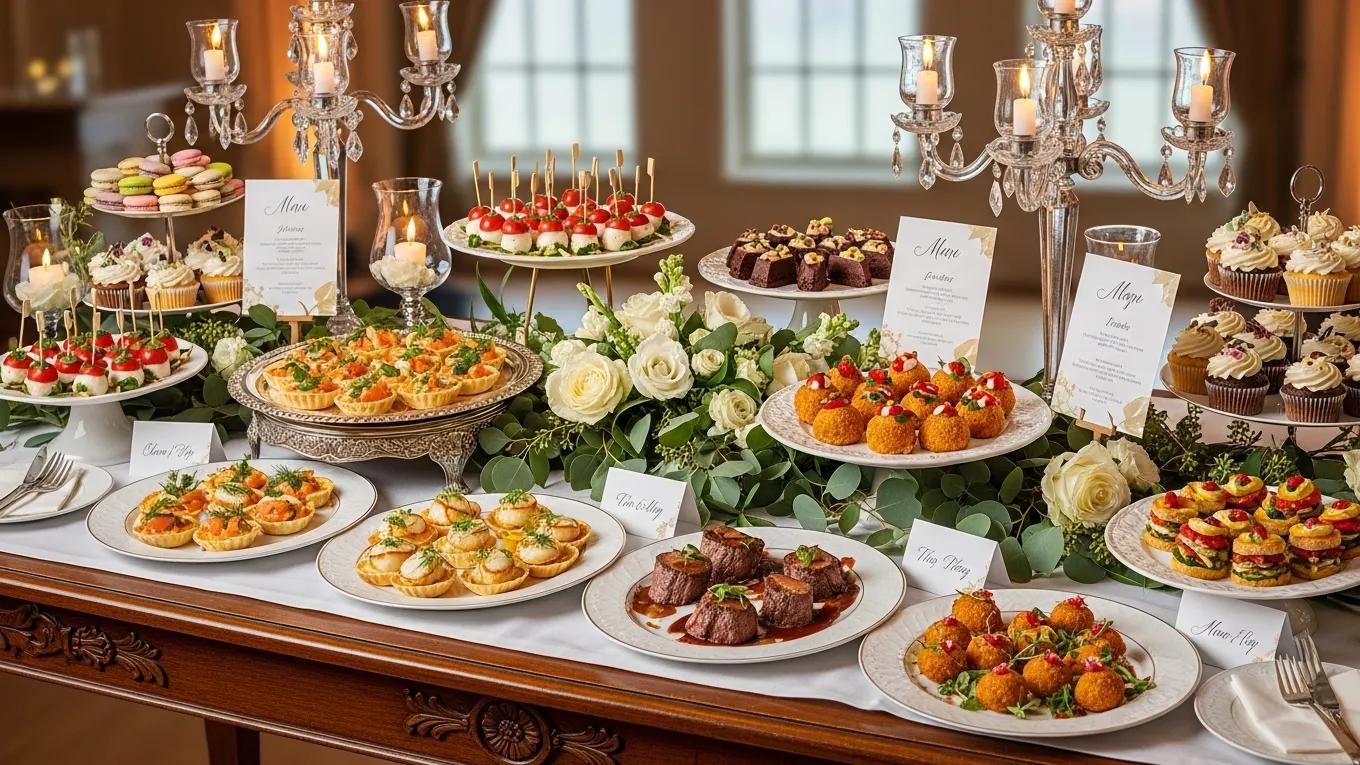

A beautiful menu still needs the right equipment behind it. Refrigeration keeps ingredients and prepared dishes cold, warming equipment holds food for service, and cooking equipment may be needed when dishes are prepared or finished at the venue.
That makes catering equipment rental an important part of planning many Atlanta weddings, corporate events, galas, and private parties, particularly when a venue does not have a fully equipped commercial kitchen. The exact equipment list depends on the menu, guest count, service style, venue facilities, and how much preparation needs to happen on-site.
For hosts, the goal is not simply to rent as much equipment as possible. It is to make sure the catering team has the right setup to prepare, hold, and serve the menu safely and efficiently without paying for equipment the event does not actually need.
Catering Equipment Rental Essentials for a Successful Event
Choosing the Right Catering Equipment for an Atlanta Event

There is no universal equipment list for a catered event. A buffet for 50 guests, a plated wedding dinner for 150, and a corporate reception built around passed appetizers all move food through the venue differently, so the required setup should follow the menu, service style, guest count, and venue capabilities.
A useful way to plan catering equipment rental is to work through the event in sequence: preparation, temperature control, service, and cleanup. This prevents organizers from renting items simply because they appear on a standard checklist while overlooking equipment the actual menu depends on.
Start With the Venue and Menu
Before reserving equipment, confirm what the venue already provides. Ask about kitchen access, electrical capacity, refrigeration, prep surfaces, loading access, water, trash handling, tables, linens, dinnerware, and any restrictions on open flames or on-site cooking.
The menu should then determine what still needs to be supplied. This is one reason event planning and catering should be coordinated rather than treated as separate decisions, since venue limitations can affect which dishes can realistically be prepared, held, and served on schedule.
Cooking and Preparation Equipment
Some menus arrive almost entirely prepared and require only reheating or final assembly, while others involve active cooking at the venue. Depending on the food and available kitchen, the setup may require ovens, cooktops, grills, prep tables, work surfaces, or other equipment used to finish dishes safely and efficiently.
Do not assume that more cooking equipment automatically creates a better setup. A well-planned caterer may prepare certain components off-site specifically to reduce congestion, power requirements, staffing demands, and last-minute cooking at the venue.
Refrigeration and Cold Holding
Cold ingredients and prepared foods need enough refrigerated or insulated holding capacity for the time they will remain on-site. Venue refrigerators may look adequate during a walkthrough but become crowded quickly once trays, beverages, desserts, garnishes, and backup portions arrive.
Confirm usable refrigeration space rather than simply asking whether the venue has a refrigerator. For larger events, catering equipment rental may need to include additional cold-holding solutions so food can be staged without overloading limited kitchen storage.
Plan Hot Holding Around the Service Timeline
Hot food often spends more time being held than being cooked, particularly when guests are served in waves or the program delays meal service. Chafing dishes, warming cabinets, and other holding equipment should therefore be selected around how long the food must wait and how frequently it will be replenished.
Buffets and interactive stations can require several separate holding points rather than one central service line. Reviewing how event food stations are arranged can help planners think about equipment placement, guest circulation, replenishment, and whether each station needs its own serving and temperature-control setup.
Match Serving Equipment to the Service Style
Once food moves out of the preparation area, the equipment requirements change. Buffets may need chafers, serving utensils, risers, platters, signage, and multiple table surfaces, while passed appetizers rely more heavily on trays and efficient back-of-house staging.
Plated meals require another workflow because dishes are assembled and delivered to guests in sequence rather than displayed for self-service. Cocktail receptions may need smaller serving pieces and frequent replenishment, while family-style meals require platters and serving utensils that can comfortably fit each table.
Presentation also affects what equipment is useful. Thoughtful food presentation for events considers height, layout, serving flow, and how easily guests can identify and reach each dish, so decorative pieces should still serve a practical purpose rather than crowding the table.
Confirm What Is Included Before Renting Anything
Tables, linens, glassware, china, flatware, serving utensils, chafing dishes, and décor may be supplied by the caterer, venue, rental company, or a combination of all three.
Bitefull’s event information, for example, lists buffet-table linens and greenery, chafing dishes, serving utensils, and disposable tableware among items included with menu pricing, while other party-rental options are also available.
Create one consolidated equipment list that identifies who is supplying each item, how many are needed, when they will arrive, and who is responsible for setup and pickup. That simple step can prevent duplicate rentals, missing serving pieces, and last-minute assumptions about what the venue or caterer was expected to provide.
How the Venue, Menu, and Guest Count Shape Equipment Needs
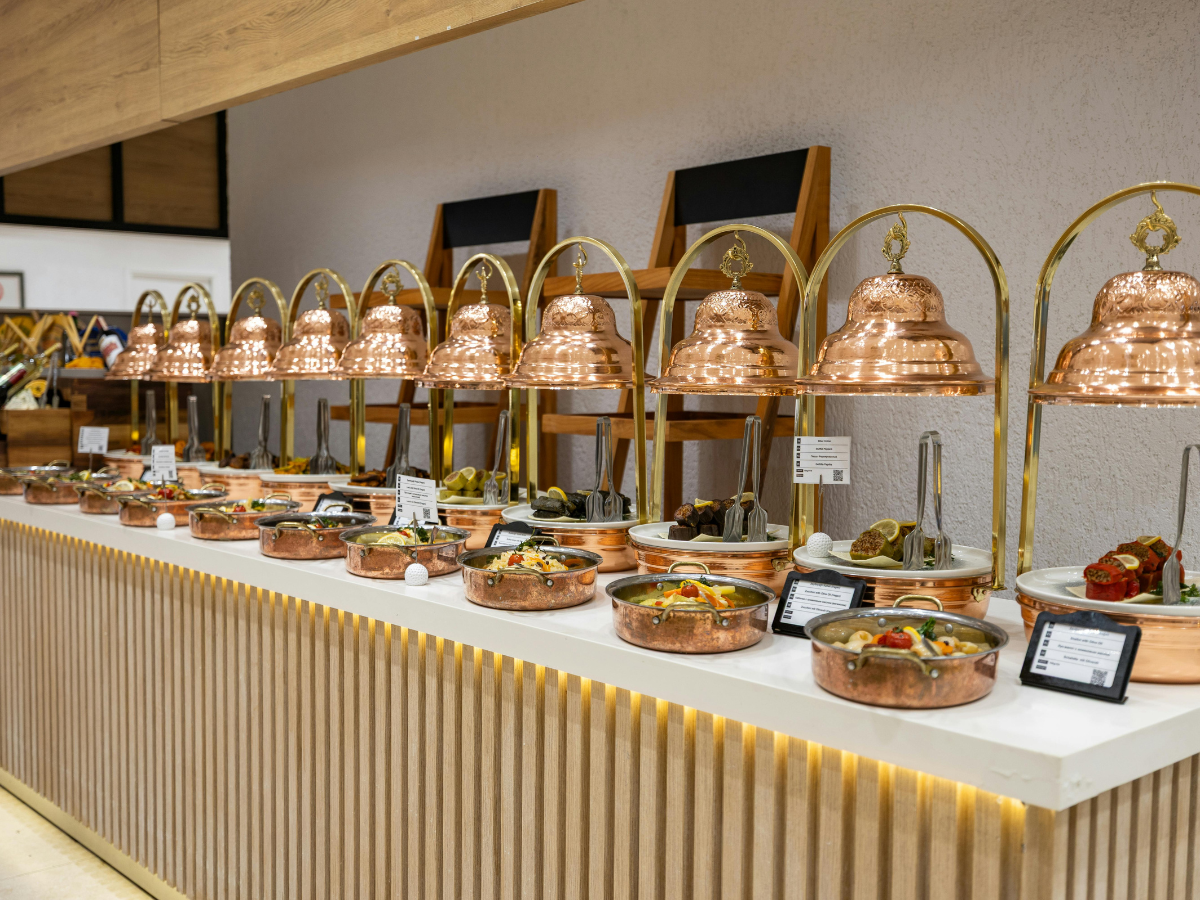
Catering equipment should be planned around the actual event rather than pulled from a standard checklist. Two Atlanta events with the same guest count can need very different setups if one is held in a full-service venue with a commercial kitchen and the other takes place in a space with little more than electricity and a prep table.
The venue, menu, service style, and headcount all affect catering equipment rental requirements. Reviewing those factors together helps avoid paying for unnecessary equipment while also reducing the risk of discovering a missing refrigerator, power source, worktable, or holding unit on the day of the event.
Confirm What the Venue Actually Provides
A venue described as having a “kitchen” may offer anything from a fully equipped cooking area to a sink, refrigerator, and small prep counter. Before planning around it, confirm exactly which appliances, work surfaces, utilities, and storage areas the catering team will be permitted to use.
Questions worth asking include:
- Is there a working kitchen or only a prep area?
- How much usable refrigeration is available?
- Are ovens, burners, or warming equipment provided?
- How much counter and prep space is available?
- Is there convenient access to sinks and potable water?
- Are there restrictions on open flames, grills, or other cooking equipment?
- What electrical service and outlets are available?
- Where will deliveries be unloaded and catering equipment staged?
Looking at potential Atlanta catering venues early in the planning process can help clarify how different event spaces affect food preparation, access, and service logistics. Venue selection is not separate from catering logistics because the physical space determines what can realistically happen on-site.
Let the Menu Determine the Equipment
The menu has a direct effect on which equipment is necessary. Food prepared almost entirely off-site may require relatively little cooking equipment at the venue but more refrigeration, insulated transport, warming, and serving capacity.
A menu with last-minute cooking or finishing creates different demands. Ovens, burners, grills, prep surfaces, or specialized equipment may need to be available close enough to the service area for the kitchen team to work efficiently.
Comparing catering menu options can make these differences easier to see, while planning a custom catering menu helps connect individual dishes with the way they will actually be prepared and served.
A dinner buffet, plated meal, hors d’oeuvres reception, and station-based menu each create a different workflow, so the catering equipment rental list should follow the chosen format rather than the guest count alone.
Factor in How the Food Will Be Served
Buffets need enough hot and cold holding capacity to keep several dishes ready simultaneously, along with serving utensils and adequate table space. Plated dinners rely more heavily on back-of-house assembly, staging, and timing because courses need to reach multiple guests in a coordinated sequence.
Food stations distribute equipment around the venue instead of concentrating it in one buffet line. Passed appetizers may require less guest-facing equipment but more trays, staging surfaces, and space for staff to replenish food behind the scenes.
Dietary accommodations can introduce another layer of planning. Vegetarian and vegan catering, for example, may require clearly identified dishes, separate serving utensils, or more deliberate station organization when several dietary needs are being accommodated at the same event.
Size Equipment Capacity to the Final Guest Count
Guest count affects capacity, not simply the number of forks, plates, or serving pieces. Thirty guests and 200 guests may require the same broad categories of equipment, but the larger event can place far greater demands on refrigeration, hot holding, preparation space, staffing, and replenishment speed.
The type of event can change that equation further. A corporate catered event may need rapid service within a narrow lunch or meeting schedule, while a social event may spread food service over several hours, changing how much holding and replenishment capacity is necessary.
As attendance becomes more certain, equipment quantities should be adjusted accordingly. Final headcount deadlines are also worth confirming with the caterer because catering policies and guaranteed guest counts can affect how food quantities and event logistics are finalized.
The most reliable approach is to treat catering equipment rental as part of the complete service plan. Venue capabilities establish the limits, the menu determines what needs to happen to the food, the service style shapes the workflow, and the guest count determines how much capacity that system needs.
What to Confirm Before Arranging Catering Equipment
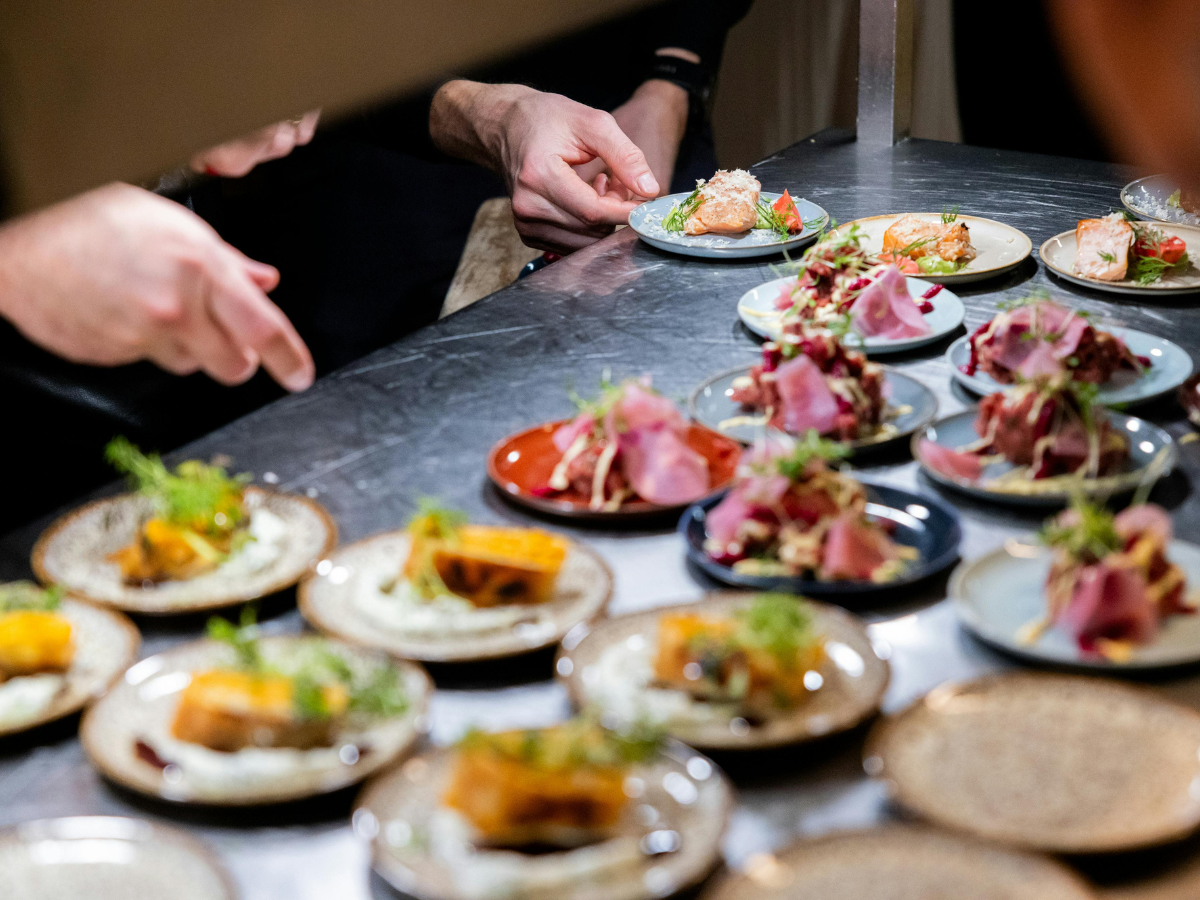
Choosing the right equipment is only part of the planning process. Before a catering equipment rental order is finalized, the team also needs to know how the equipment will reach the venue, where it will be placed, what utilities it requires, and who will handle setup and removal.
These details are easy to overlook because they happen behind the scenes, but they can determine whether the catering area actually works on event day. A short pre-event logistics review is especially valuable for unfamiliar venues, outdoor locations, and events using several vendors.
Confirm Power, Water, and Utility Requirements
Commercial cooking, refrigeration, warming, and beverage equipment can have different electrical requirements, so an outlet near the catering area does not automatically mean the necessary power is available. Confirm outlet locations, circuit capacity, extension-cord policies, water access, and any other utilities required by the planned setup.
Outdoor events deserve additional attention because utilities may be farther from the serving area or unavailable altogether. Planning guidance for corporate picnic catering also highlights practical site issues such as access to power, water, restrooms, staff routes, and cleanup, all of which can affect where equipment can realistically be placed.
Review Venue Rules Before Reserving Equipment
Venues may restrict open flames, generators, grills, propane equipment, cooking indoors, or where food preparation can take place. Some properties also limit vendor arrival times, require proof of insurance, or specify where catering teams can unload and stage supplies.
These policies should be confirmed while the menu and equipment plan are still flexible. The same principle applies when evaluating rehearsal dinner venue logistics, where kitchen access, loading times, prep space, electrical outlets, and equipment restrictions can change how catering is executed.
Map the Delivery Route Before Event Day
Equipment must travel from the delivery vehicle to the final catering area, and that route may be more complicated than it appears on a floor plan. Hotels, ballrooms, office buildings, historic properties, private homes, and outdoor venues can involve loading docks, elevators, stairs, security checkpoints, narrow doors, long walking distances, or restricted parking.
Confirm delivery windows, unloading locations, elevator access, door dimensions where large equipment is involved, and how far items need to be moved. Build those details into the catering equipment rental plan before delivery rather than discovering access problems while the setup crew is already on-site.
Make Sure the Setup Leaves Enough Working Space
A catering area needs more than enough room to physically hold the equipment. Staff also need clear paths for preparation, plating, replenishment, dirty dishes, waste removal, and movement between the kitchen or staging area and the guests.
More equipment can actually make service less efficient if it creates bottlenecks or blocks access to essential work surfaces. The layout should follow the movement of the food from arrival and storage through preparation, holding, service, and clearing rather than arranging equipment wherever space happens to be available.
Clarify Setup, Breakdown, and Pickup Responsibilities
Do not assume that delivery automatically includes installation, setup, breakdown, or removal. Confirm who receives each rental, who places and connects equipment, when setup can begin, what must be cleaned before pickup, and who remains responsible for the items until they leave the venue.
This becomes particularly important when catering, rentals, and venue services come from different companies. Events with coordinated setup, service, and cleanup are easier to manage when those responsibilities are assigned in advance instead of being negotiated during the event.
A final equipment plan should therefore include more than an item count. For every major piece of catering equipment rental, identify where it goes, what it needs to operate, when it arrives, and who is responsible for it from delivery through removal.
When to Plan and Finalize Catering Equipment Rentals
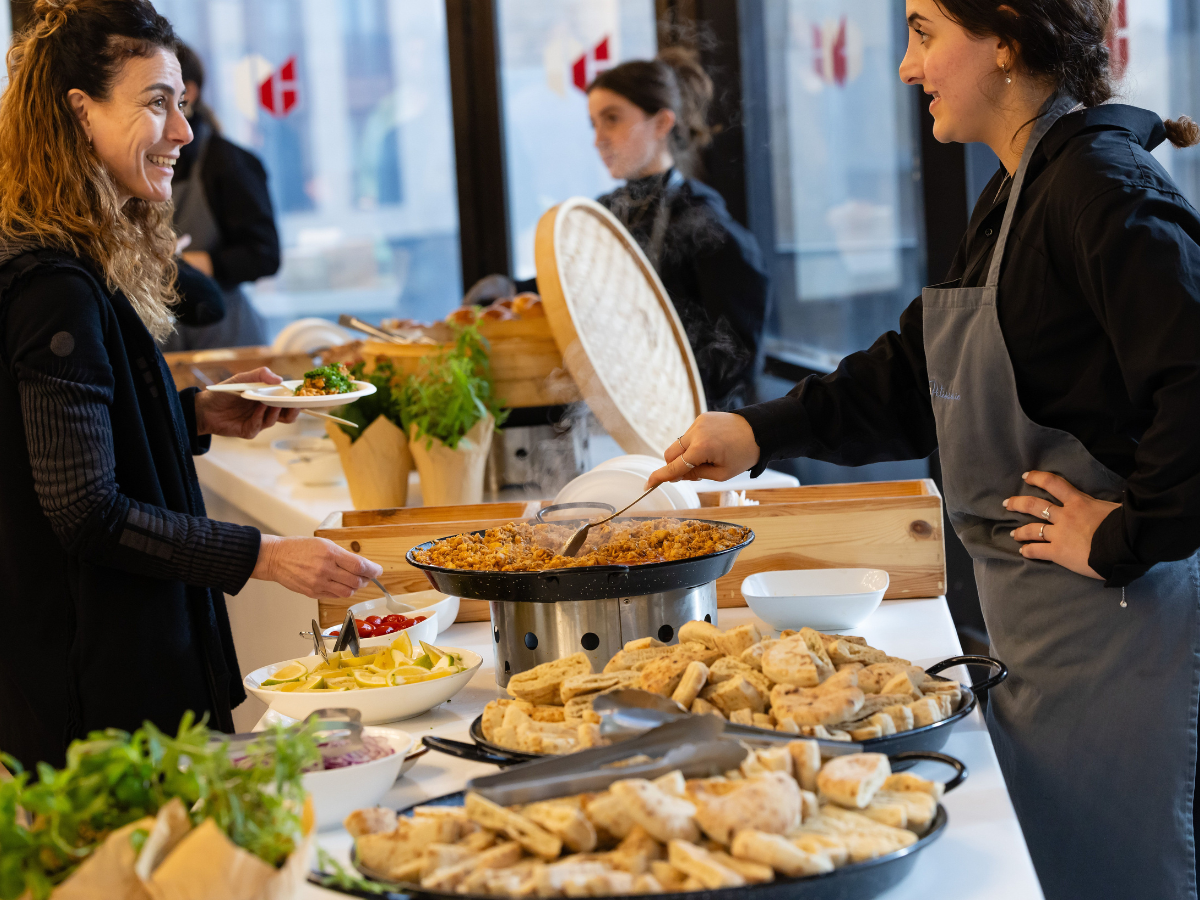
Catering equipment planning should begin once the event date, venue, approximate guest count, menu direction, and service style are clear enough to identify the major requirements.
You do not need every final quantity at that stage, but you should know whether the event will depend on substantial refrigeration, cooking equipment, hot holding, beverage service, specialty rentals, or a complicated venue setup.
Starting early matters most when availability or logistics could limit your choices. Bitefull recommends booking catering at least four to six weeks before an event for stronger availability and preparation time, so catering equipment rental needs should be discussed during that same early planning window rather than added at the end.
Identify the Major Requirements First
The first equipment plan does not need to specify every serving utensil or exact number of chafing dishes. Its purpose is to identify the large requirements that could affect the menu, venue layout, rental availability, or event budget.
A wedding with plated service, for example, may require more coordinated back-of-house staging than a smaller buffet. Reviewing the requirements of Atlanta wedding catering early can help connect service style, venue logistics, tableware, and equipment before smaller details are finalized.
Large corporate functions, galas, outdoor events, and menus requiring specialty cooking or holding equipment can benefit from even earlier coordination. The more vendors, delivery windows, utilities, and service areas involved, the more useful it is to identify potential conflicts while the event plan can still be adjusted.
Refine Equipment as the Menu Becomes Final
Early planning establishes the framework, but equipment quantities should become more precise as the menu and attendance firm up. A change from passed appetizers to food stations, for example, can alter the number of serving surfaces, holding units, utensils, and electrical connections required.
This later stage is where operational details should be locked together rather than reviewed separately. A practical catering planning timeline may include confirming the guest count, dietary requirements, service format, venue contacts, arrival times, and equipment needs before final production and delivery begin.
Know Which Details Need to Be Ready
Before discussing catering equipment rental, have the following information available:
- Event date and venue
- Approximate guest count
- Type of event
- Planned service style
- General menu direction
- Venue kitchen and prep facilities
- Equipment already supplied on-site
- Electrical, water, and cooking restrictions
- Delivery and setup windows
- Any dietary needs that affect service or separation
You do not need to build the complete rental list yourself. These details give the catering team enough context to determine what should be reserved now, what can wait until the menu is finalized, and which quantities can be adjusted closer to the event.
Set a Deadline for Final Changes
The equipment plan should become increasingly fixed as the event approaches. Bitefull’s published policies require final menu selection two weeks before the event and additional guaranteed guests to be confirmed one week before the event, which illustrates why major rental decisions should not be left until the last few days.
A good catering equipment rental plan therefore develops in stages rather than being completed all at once. Reserve the major requirements early, refine quantities as the guest count and menu become clearer, and lock the final operational details before vendors begin preparing for delivery and setup.
How Equipment Planning Fits Into Full-Service Catering
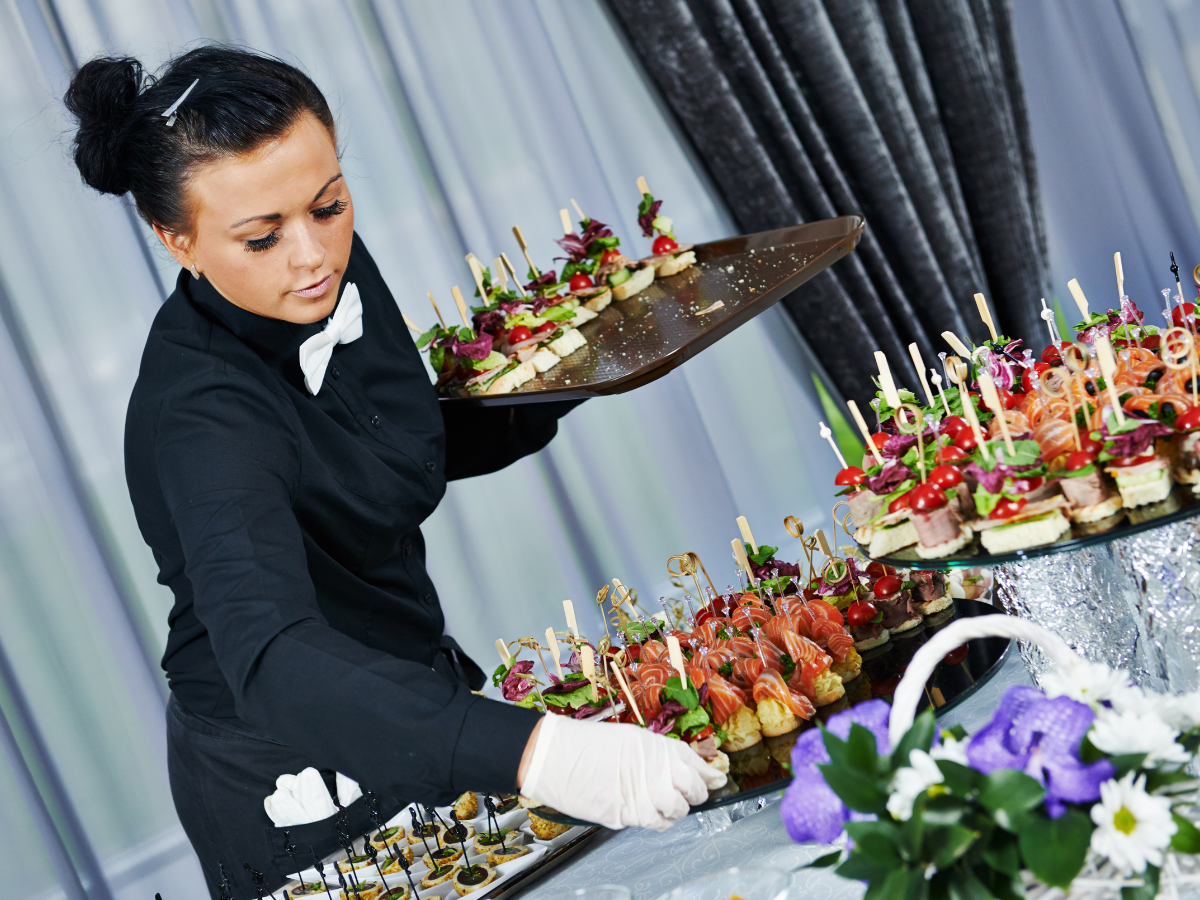
Catering equipment is not a separate layer added after the menu is chosen. The food itself determines how dishes need to be prepared, transported, stored, heated, finished, presented, and cleared, so equipment planning naturally belongs inside the broader catering workflow.
That connection becomes even more important with full-service events. Instead of treating catering equipment rental as a standalone shopping list, the equipment can be selected around what the menu and service team actually need at each stage of the event.
Plan Equipment Around the Food-Service Sequence
A useful way to think about full-service catering is as a sequence:
Preparation → Transportation → Holding → Finishing → Service → Breakdown
Each stage can introduce a different requirement. Cold dishes may need refrigerated or insulated holding after they reach the venue, hot dishes may require warming equipment, and food finished on-site may need burners, ovens, grills, or dedicated prep surfaces.
Service adds another layer. Buffet meals, plated dinners, food stations, and passed hors d’oeuvres all use equipment differently, which is why catering for different types of occasions can involve very different back-of-house and guest-facing setups even when the guest counts are similar.
Coordinate Equipment With Staffing and Service Style
Equipment only works well when it supports the people using it. A warming cabinet placed far from the plating area, for example, may technically provide enough capacity but still slow service if staff have to cross the room repeatedly to reach it.
Full-service planning can account for those relationships before the event begins. The service format, staff movement, food replenishment, clearing process, and staging areas can all influence where equipment belongs and how much of it is practical.
That coordination becomes particularly useful for social event catering, where events can range from intimate dinners to larger celebrations. The same venue may require very different equipment depending on whether guests are seated, moving between stations, or being served throughout the room.
Avoid Renting Equipment the Event Does Not Need
More equipment does not automatically create a better catering setup. Extra ovens, warming units, serving tables, or display pieces can increase costs and consume valuable workspace without improving service if the menu does not actually require them.
Planning catering equipment rental alongside the menu helps separate essential equipment from optional additions. It also makes it easier to identify items already supplied by the venue, caterer, or another vendor before duplicate rentals are placed.
Account for On-Site Cooking When the Menu Requires It
Some events create greater equipment demands because food is actively cooked or finished in front of guests. An outdoor barbecue with on-site grilling, for example, needs a different operational setup from food prepared almost entirely off-site and delivered ready for service.
This distinction is easy to see in full-service BBQ catering with on-site grilling, where cooking equipment, fuel or power requirements, prep areas, holding capacity, and service flow all have to work together. Equipment planning in that context is part of executing the menu, not a separate rental decision.
Treat Equipment as Part of the Overall Event Plan
For the host, the practical advantage is fewer disconnected decisions. Instead of independently estimating which ovens, chafing dishes, tables, serving pieces, or holding units might be necessary, those requirements can be evaluated alongside the food, venue, guest count, staffing, and service schedule.
That is the strongest reason catering equipment rental belongs within full-service catering. The goal is not simply to have equipment available, but to create a setup that supports the menu from preparation through breakdown without unnecessary rentals, missing capacity, or avoidable service bottlenecks.
Conclusion
Planning an Atlanta event means thinking beyond the menu to the equipment, serving pieces, and setup needed to keep food properly prepared and presented from start to finish. Coordinating those details through experienced event catering services can simplify planning and reduce the number of vendors you need to manage.
A Delightful Bitefull Catering can help bring the food and logistics together for weddings, corporate gatherings, private parties, and other special occasions. Call (770) 565-4146 to discuss your event with the team and get your Atlanta event catered today.