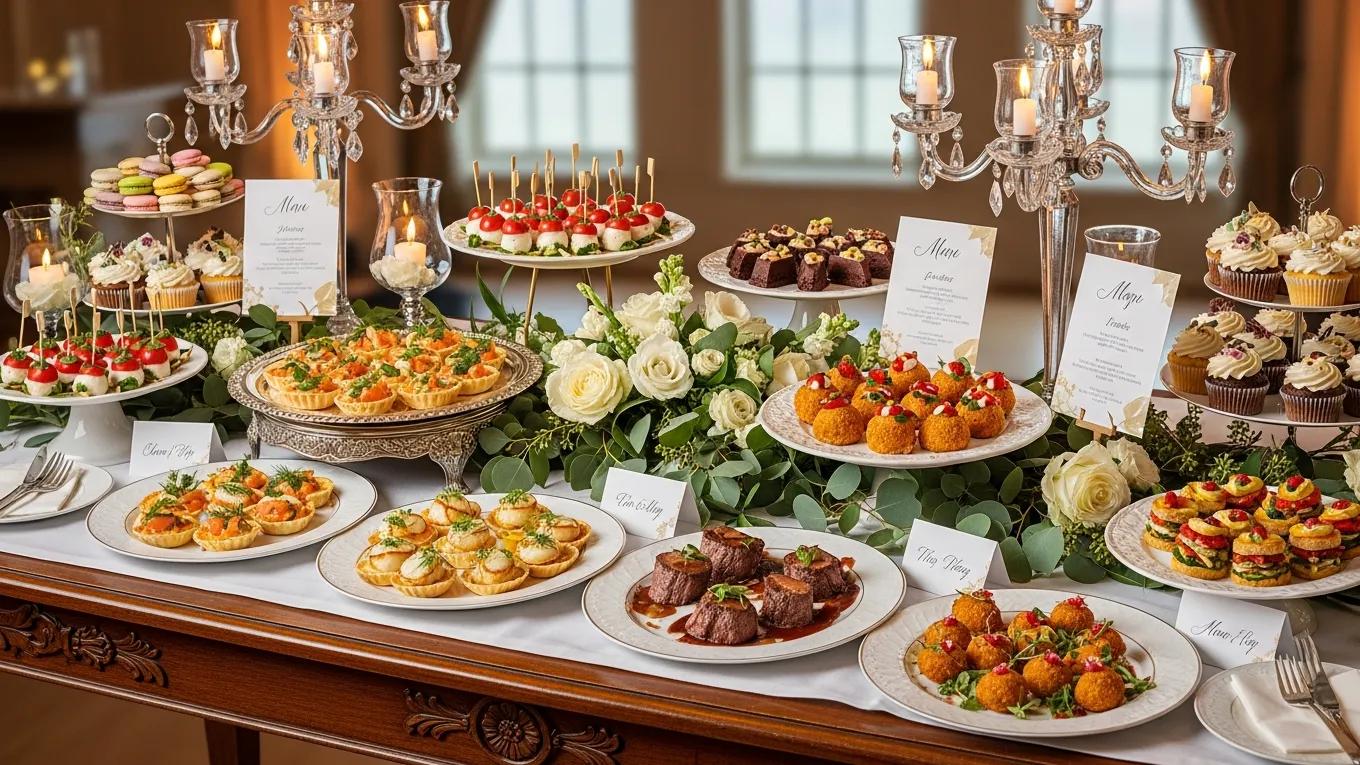


Sustainability has become an important part of event planning, and packaging is one area where caterers can make a meaningful impact. From takeaway containers to cutlery and beverage packaging, the materials used after the meal can significantly influence the environmental footprint of an event. Choosing greener alternatives benefits both the planet and your brand.
Eco-friendly packaging ideas for modern catering focus on reducing waste without compromising food quality, food presentation, or convenience. Compostable containers, recyclable materials, reusable serving options, and thoughtfully designed packaging can help minimize environmental impact while meeting the expectations of today’s eco-conscious clients.
This guide explores practical packaging solutions that support sustainable catering, enhance the guest experience, and help your business adopt more environmentally responsible practices.
Eco-Friendly Packaging Options Every Caterer Should Consider
Understanding Eco-Friendly Packaging for Modern Catering Businesses
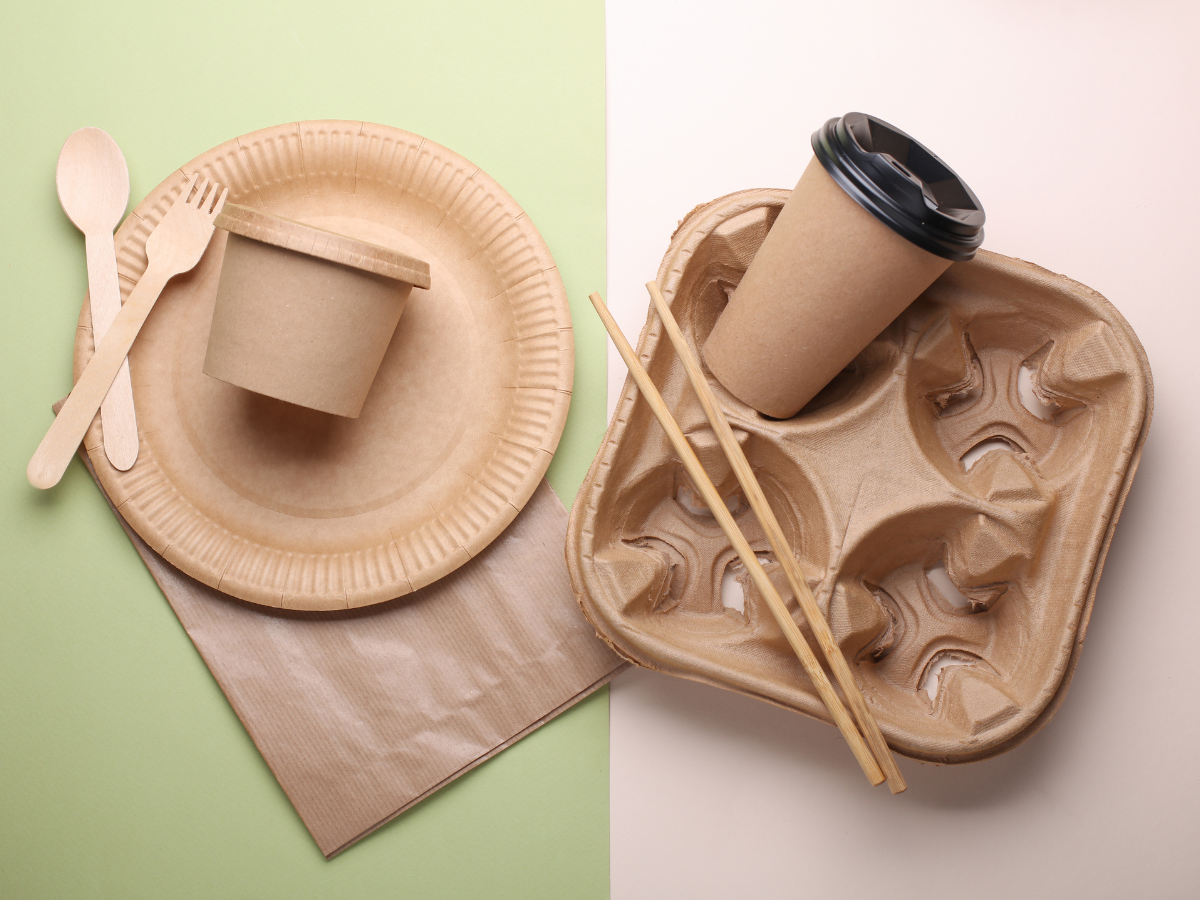
As sustainability becomes a bigger priority for both businesses and consumers, packaging has become just as important as the food inside it. Today’s catering companies are expected to minimize waste, reduce their environmental impact, and choose materials that are practical as well as environmentally responsible.
The best eco-friendly packaging protects food during transport while using renewable, recyclable, or compostable materials that create less waste after use. Beyond reducing environmental impact, making the switch can also strengthen your brand, help meet changing regulations, and appeal to customers who actively seek out sustainable businesses.
Why Eco-Friendly Packaging Matters
Traditional single-use plastics can remain in landfills for hundreds of years, while many sustainable alternatives are designed to be recycled, composted, or produced from renewable resources.
For catering businesses, adopting eco-friendly packaging offers several advantages:
- Reduces reliance on petroleum-based plastics.
- Helps divert waste from landfills.
- Supports corporate sustainability initiatives.
- Meets growing customer expectations for environmentally responsible practices.
- Prepares businesses for evolving regulations surrounding disposable packaging.
Of course, sustainability should never come at the expense of food quality. The ideal packaging keeps meals fresh, prevents leaks, maintains temperature, and withstands transportation while minimizing its environmental footprint.
Common Materials Used in Sustainable Food Packaging
Not all sustainable packaging is made from the same materials. Each option has strengths depending on the type of food being served, transportation requirements, and disposal options available to customers.
| Material | Best Uses | Key Benefits |
|---|---|---|
| Sugarcane bagasse | Meal containers, plates, bowls | Compostable, sturdy, heat resistant |
| PLA (plant-based plastic) | Cold drink cups, salad containers, lids | Made from renewable plant starches and commercially compostable |
| Kraft paper | Takeout boxes, wraps, bakery packaging | Recyclable, lightweight, and widely available |
| Recycled cardboard | Catering trays and delivery boxes | Reduces virgin material use and offers excellent recyclability |
| Molded fiber | Protective inserts, clamshell containers | Durable, compostable, and made from recycled paper fibers |
Choosing the right material depends on how the food will be served. Hot meals, cold desserts, oily foods, and beverages all have different packaging requirements, so it’s important to balance sustainability with performance.
Why Sugarcane Bagasse Has Become a Popular Choice
Among today’s sustainable materials, sugarcane bagasse has become one of the most widely used options for food service. Bagasse is the fibrous material left behind after sugarcane stalks have been processed for juice. Instead of treating this agricultural byproduct as waste, manufacturers convert it into durable food containers, plates, trays, and bowls.
For catering operations, bagasse offers several practical benefits:
- Strong enough for hot and cold foods.
- Naturally resistant to grease and moisture.
- Suitable for microwaves and many hot food applications.
- Commercially compostable in appropriate facilities.
- Made from a renewable agricultural byproduct rather than virgin plastic.
Using materials that repurpose agricultural waste also supports broader circular economy goals by extending the life of resources that might otherwise be discarded.
Choosing the Right Eco-Friendly Packaging for Your Catering Business
The most sustainable option isn’t always the one with the newest material. The best choice depends on your menu, delivery methods, customer expectations, and local waste infrastructure.
When evaluating eco-friendly packaging, consider:
- Will it keep food secure during transport?
- Is it appropriate for hot, cold, or liquid foods?
- Can your customers realistically recycle or compost it?
- Does it align with your business’s sustainability goals?
- Is the packaging durable enough to reduce food waste from spills or damage?
These practical questions often matter just as much as the material itself.
Building a More Sustainable Catering Operation
Switching to eco-friendly packaging is one of the simplest ways catering businesses can reduce their environmental footprint while improving customer perception. Modern sustainable materials now offer durability, attractive presentation, and reliable food protection without relying solely on conventional plastics.
As innovation continues to expand the range of compostable and recyclable materials available, catering companies have more opportunities than ever to choose packaging that supports both operational performance and long-term sustainability.
Selecting the right solution today can help reduce waste, meet customer expectations, and position your business for a more environmentally responsible future.
Choosing the Right Eco-Friendly Packaging Materials for Catering
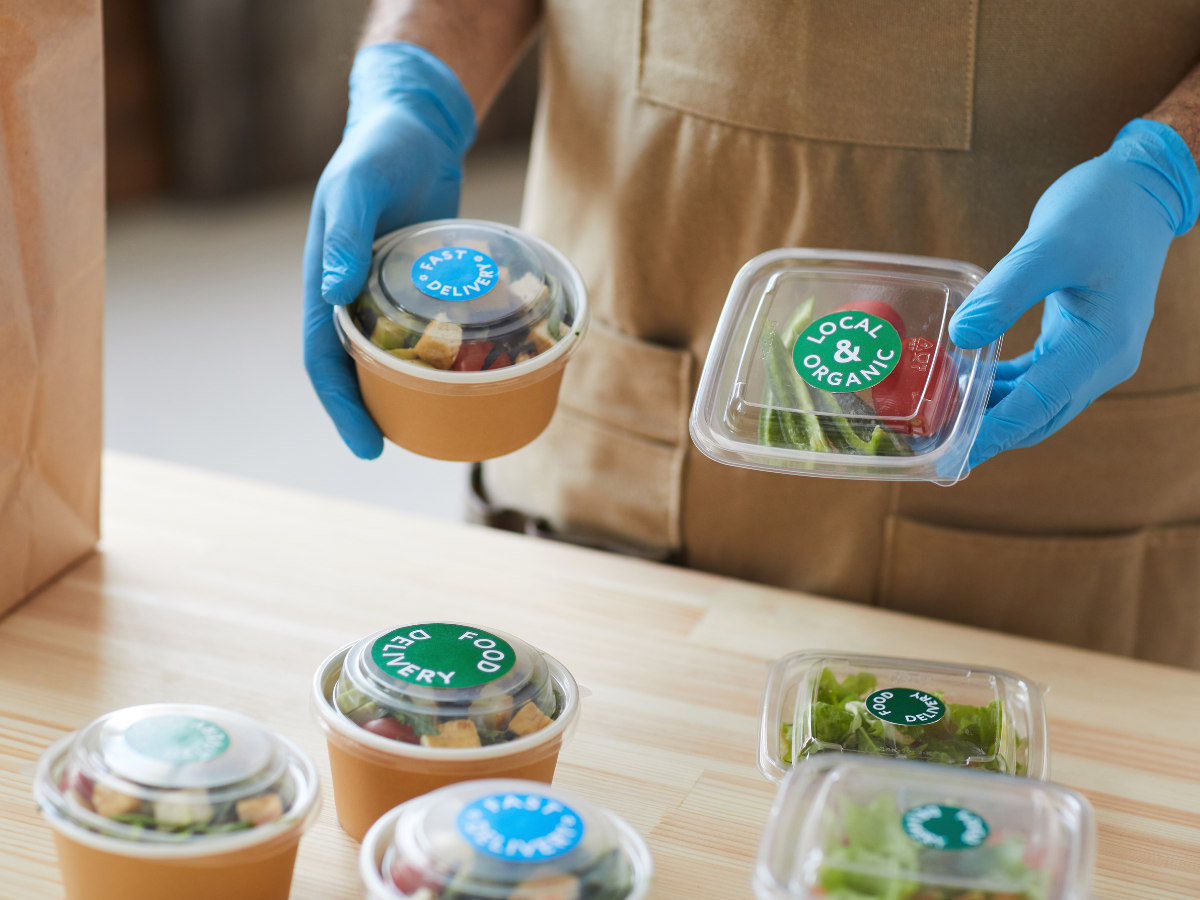
Selecting sustainable packaging isn’t just about replacing plastic with a greener alternative. The right choice depends on the type of food you’re serving, how it’s transported, how customers dispose of the packaging, and your overall sustainability goals.
The best eco-friendly packaging balances durability, food safety, presentation, and environmental impact without compromising the customer experience.
Whether you’re catering a corporate lunch, wedding reception, festival, or takeaway service, understanding the strengths of different materials helps you choose packaging that’s both practical and responsible.
Compostable, Biodegradable, and Recyclable: What’s the Difference?
These terms are often used interchangeably, but they describe different end-of-life processes.
| Packaging Type | What It Means | Best For |
|---|---|---|
| Compostable | Breaks down into natural organic matter under composting conditions | Food containers, plates, cutlery |
| Biodegradable | Gradually decomposes through natural biological processes, though timing varies by material and environment | Certain food packaging and disposable products |
| Recyclable | Can be processed into new materials when collected through appropriate recycling systems | Cardboard, paper, aluminum, some plastics |
Understanding these distinctions helps businesses choose eco-friendly packaging that matches the waste management options available in their area.
For example, compostable containers deliver the greatest environmental benefit when commercial composting facilities are available, while recyclable packaging may be the more practical choice in communities with robust recycling programs.
Popular Sustainable Packaging Materials
Today’s catering businesses have access to a growing range of renewable materials that perform well in demanding food service environments.
Some of the most widely used options include:
Sugarcane Bagasse
Made from the fibrous residue left after sugarcane harvesting, bagasse is sturdy enough for hot meals, naturally resistant to grease, and commercially compostable. It’s commonly used for meal containers, plates, and serving trays.
PLA (Polylactic Acid)
PLA is a plant-based plastic typically produced from corn starch or sugarcane. It’s lightweight, clear, and ideal for cold beverages, deli containers, and salad packaging. Because it softens under high heat, it’s generally better suited for cold food applications.
Kraft Paper and Recycled Paperboard
Paper-based packaging remains one of the most versatile options for bakeries, sandwiches, wraps, and takeaway meals. Many kraft products are recyclable and manufactured using recycled fibers, reducing the demand for virgin materials.
Matching Packaging to Different Catering Needs
Not every event requires the same type of packaging. Choosing materials based on the food being served improves both functionality and sustainability.
For example:
- Takeout and delivery: Leak-resistant bagasse containers and recyclable paper bags help maintain food quality during transport.
- Buffets and catered events: Compostable plates, bowls, and cutlery reduce disposable plastic waste while maintaining a professional appearance.
- Cold beverages: Plant-based cups and lids offer an alternative to traditional petroleum-based plastics.
- Bakery and café items: Recyclable paper boxes and wraps provide simple, effective packaging with minimal environmental impact.
Matching the packaging to the application helps reduce unnecessary waste while ensuring customers receive food in excellent condition.
The Growing Role of Plant-Based Packaging
Ongoing research continues to expand what’s possible with plant-derived materials. Modern plant-based polymers now offer improved durability, moisture resistance, and food preservation compared with earlier generations of biodegradable packaging.
Researchers are also developing innovative solutions such as edible films, water-soluble packaging, and advanced bioplastics made from agricultural and marine resources. These materials aim to reduce reliance on fossil fuel-based plastics while supporting circular economy principles through renewable sourcing and easier end-of-life disposal.
Although many of these technologies are still emerging, they highlight the direction the food packaging industry is moving toward.
Choosing Eco-Friendly Packaging That Works
The most sustainable packaging isn’t necessarily the newest material. It’s the option that fits your operation while minimizing environmental impact throughout its life cycle.
Before selecting packaging supplies, consider:
- Is it appropriate for hot, cold, or liquid foods?
- Will it protect food during transport?
- Can your customers realistically recycle or compost it?
- Is it manufactured from renewable or recycled materials?
- Does it support your sustainability goals without increasing food waste?
By evaluating packaging through both a practical and environmental lens, catering businesses can make informed decisions that benefit customers, operations, and the planet. Choosing high-quality eco-friendly packaging demonstrates a long-term commitment to sustainability while meeting the growing expectations of environmentally conscious consumers.
Environmental Benefits and Sustainability Standards for Eco-Friendly Packaging
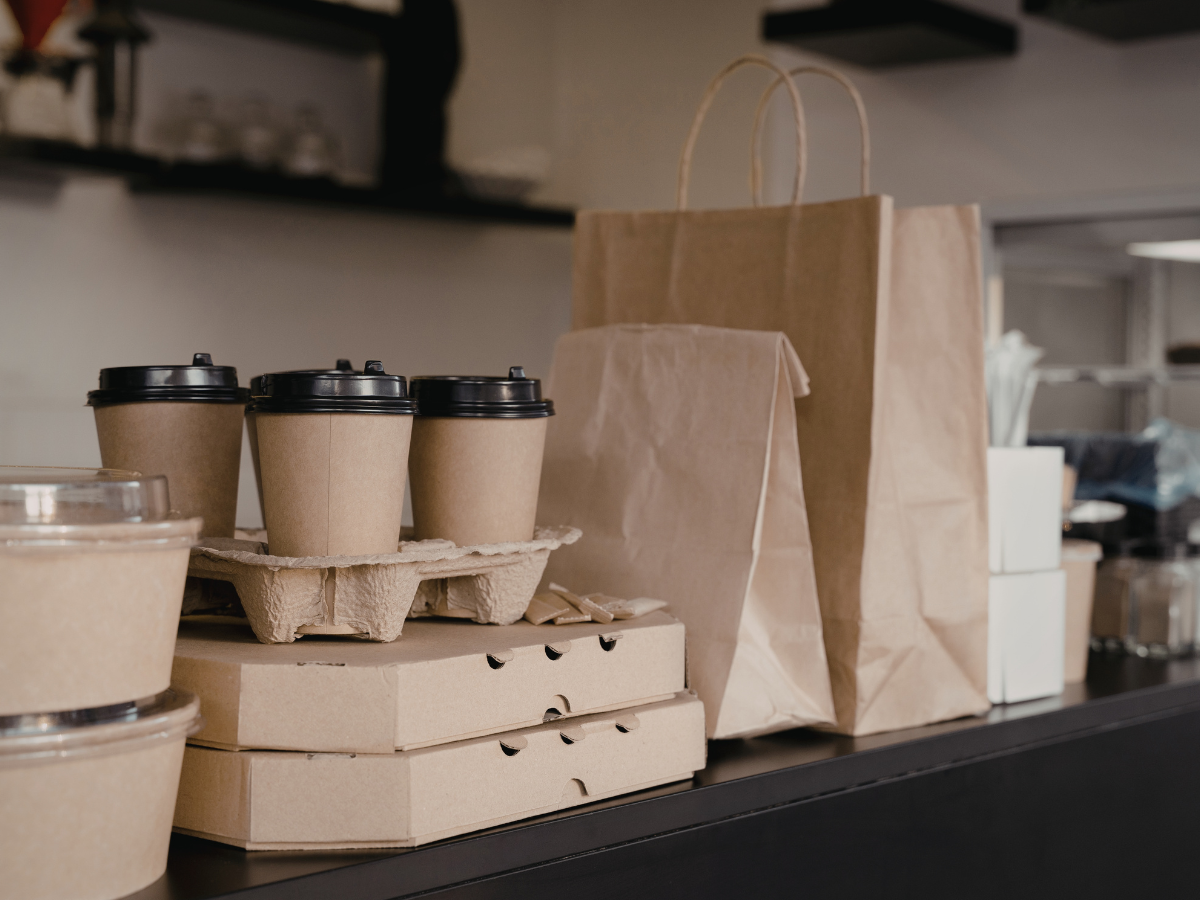
Choosing eco-friendly packaging is about more than reducing plastic waste. For catering businesses, sustainable packaging can lower environmental impact throughout the product’s life cycle, from sourcing raw materials to disposal after use.
At the same time, understanding certifications and regulations helps ensure that the products you purchase deliver the environmental benefits they claim. As governments introduce stricter packaging requirements and consumers become more informed, selecting certified sustainable packaging is becoming an important part of responsible business operations.
How Eco-Friendly Packaging Reduces Environmental Impact
Traditional single-use packaging often relies on fossil fuel-based plastics that can persist in the environment for hundreds of years. By comparison, many sustainable alternatives are produced from renewable resources and designed to be recycled or composted under the appropriate conditions.
Using eco-friendly packaging can help businesses:
- Reduce the amount of waste sent to landfills.
- Lower dependence on virgin plastic materials.
- Support renewable agricultural resources such as sugarcane and corn.
- Decrease the overall carbon footprint of food service operations.
- Encourage responsible disposal through recycling or composting programs.
While no packaging solution is entirely impact-free, choosing materials with lower environmental costs is an important step toward more sustainable catering practices.
The Importance of Proper Disposal
One common misconception is that all sustainable packaging breaks down anywhere it is discarded. In reality, disposal methods matter.
For example:
- Compostable packaging is designed to decompose under specific composting conditions, often in commercial composting facilities.
- Recyclable packaging should be placed in appropriate recycling streams where local facilities can process the material.
- Biodegradable products may break down naturally over time, but the speed and effectiveness depend on environmental conditions.
Educating both staff and customers on proper disposal helps maximize the environmental benefits of eco-friendly packaging while reducing contamination in recycling and composting systems.
Understanding Sustainability Certifications
With so many products marketed as “green,” certifications provide an extra level of confidence that packaging has been independently tested against recognized standards.
Some of the most common certifications include:
| Certification | What It Indicates |
|---|---|
| ASTM D6400 | Confirms that compostable plastics meet industrial composting standards in the United States. |
| BPI Certification | Verifies that compostable products meet recognized compostability requirements. |
| EN 13432 | European standard for compostable packaging materials. |
| FSC Certification | Indicates that paper and wood products come from responsibly managed forests. |
Checking for recognized certifications helps businesses distinguish genuinely sustainable products from those making unsupported environmental claims.
Keeping Up With Packaging Regulations
Packaging regulations continue to evolve around the world as governments work to reduce plastic pollution and encourage more sustainable alternatives.
Depending on your location, businesses may need to comply with requirements such as:
- Restrictions on certain single-use plastic products.
- Mandatory recycling or composting programs.
- Labeling requirements for compostable or recyclable packaging.
- Extended producer responsibility (EPR) initiatives that hold manufacturers accountable for packaging waste.
Because regulations vary by country, state, and municipality, it’s important to stay informed about local requirements when selecting packaging supplies.
Building Trust Through Responsible Packaging Choices
Customers increasingly notice how businesses package their food, and many consider sustainability when deciding where to spend their money. Choosing certified eco-friendly packaging demonstrates that your environmental commitments extend beyond marketing claims.
By selecting responsibly sourced materials, understanding certification standards, and complying with current regulations, catering businesses can reduce their environmental footprint while strengthening customer confidence. Over time, these decisions contribute to a more sustainable operation that supports both business goals and broader environmental responsibility.
As the industry continues to innovate, adopting eco-friendly packaging backed by recognized standards will remain one of the most effective ways for catering businesses to combine performance, compliance, and sustainability.
Disposal and Composting Best Practices for Eco-Friendly Packaging
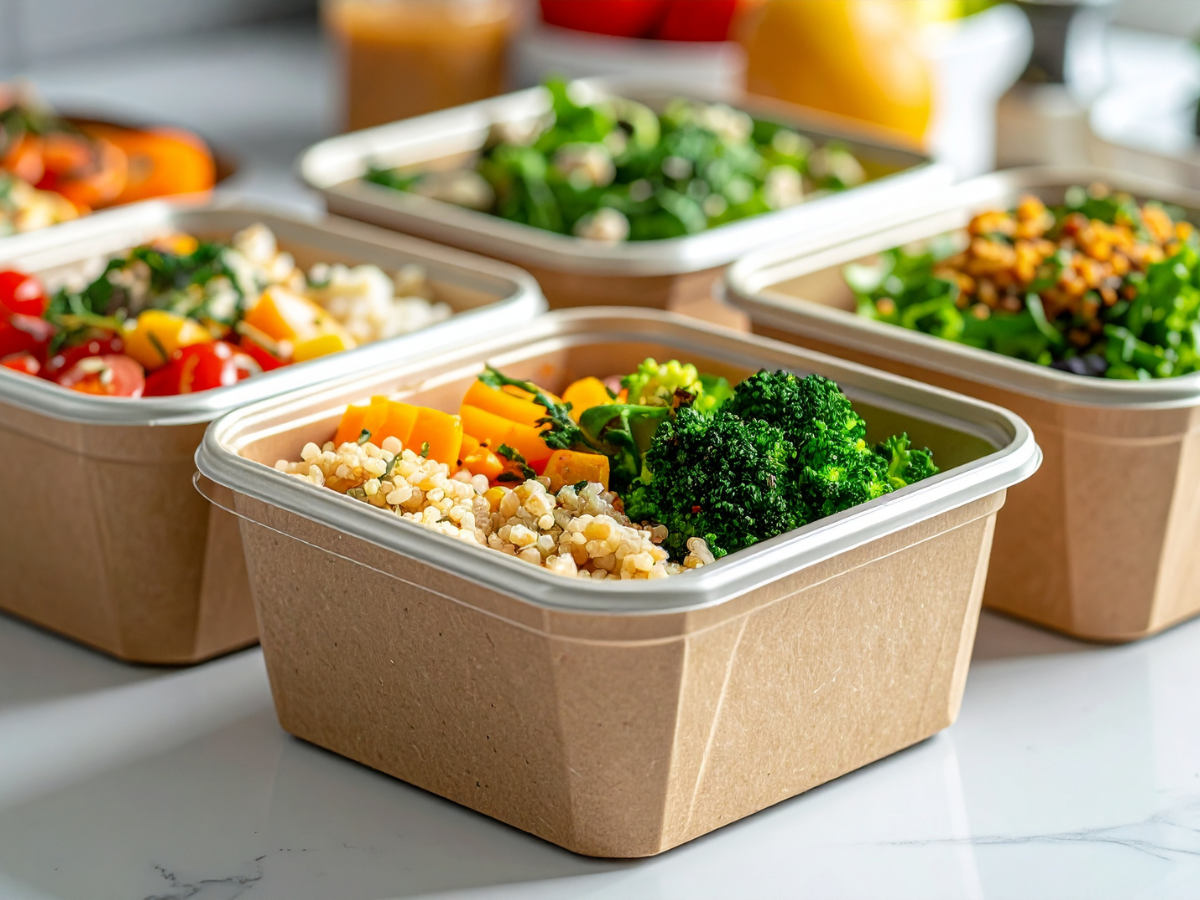
Choosing eco-friendly packaging is only part of the sustainability equation. Proper disposal is just as important. Even the most environmentally friendly container can end up in a landfill if it’s placed in the wrong waste stream or contaminated with food residue.
For catering businesses, having a clear disposal plan helps maximize the environmental benefits of sustainable packaging while making it easier for staff and customers to do the right thing.
Understand Which Waste Stream Your Packaging Belongs In
One of the biggest challenges with sustainable packaging is that different materials require different disposal methods.
Here’s a simple guide:
| Packaging Type | Best Disposal Method |
|---|---|
| Certified compostable containers | Commercial composting facility or compost collection program where available |
| Recyclable paper and cardboard | Recycling bin, provided the material is clean and accepted locally |
| Recyclable plastic packaging | Recycling stream if accepted by local facilities |
| Food-soiled compostable packaging | Compost collection where accepted |
| Mixed-material packaging | Follow local disposal guidelines, as some items cannot be easily separated for recycling |
Before purchasing eco-friendly packaging, it’s worth confirming that your local waste management services can actually process the materials you plan to use.
Best Practices for Composting Food Packaging
Not every compostable product breaks down effectively in a backyard compost pile. Many food service containers are designed for commercial composting facilities that maintain the higher temperatures needed for proper decomposition.
If commercial composting is available, follow these best practices:
- Separate compostable items from recyclables and landfill waste. Clear sorting reduces contamination and improves processing efficiency.
- Remove non-compostable materials. Stickers, plastic cutlery, condiment packets, and other conventional plastics should be discarded separately.
- Minimize contamination. Small food scraps are usually acceptable, but excessive grease or mixed waste can interfere with composting systems.
- Use clearly labeled collection bins. At catered events, well-marked waste stations help guests dispose of packaging correctly.
- Work with certified composting facilities. Commercial operators can confirm which packaging materials they accept, as requirements vary by location.
Recycling Eco-Friendly Packaging Correctly
Many recyclable materials lose their value if they’re contaminated with leftover food or liquids.
To improve recycling success:
- Empty containers before disposal.
- Rinse recyclable plastics, aluminum, and glass when practical.
- Flatten cardboard boxes to save space.
- Follow local recycling guidelines, since accepted materials vary between municipalities.
- Avoid placing compostable plastics in traditional plastic recycling streams unless specifically instructed.
Proper sorting increases the likelihood that recyclable materials will actually be processed into new products instead of being diverted to landfill.
Create a Waste Management Plan for Catering Events
Large events generate significant amounts of disposable packaging, making organization essential.
A simple waste management strategy might include:
- Providing separate bins for recycling, compost, and general waste.
- Using clear signage with images of accepted items.
- Training staff on proper waste sorting procedures.
- Choosing packaging made from a limited number of materials to simplify disposal.
- Partnering with venues that support recycling or commercial composting programs.
These small operational changes can dramatically improve waste diversion rates while reinforcing your sustainability efforts.
Make Disposal Part of Your Sustainability Strategy
Investing in eco-friendly packaging delivers the greatest environmental benefit when it’s paired with responsible disposal practices. Compostable containers, recyclable boxes, and renewable materials all have the potential to reduce waste, but only if they enter the correct recovery system.
For catering businesses, educating employees, working with reliable waste management partners, and choosing packaging that aligns with local recycling or composting infrastructure are just as important as selecting sustainable materials in the first place.
By considering the entire life cycle of your packaging, from purchase to disposal, you can significantly reduce waste while strengthening your commitment to environmentally responsible catering.
Real-World Applications and Emerging Trends in Eco-Friendly Packaging
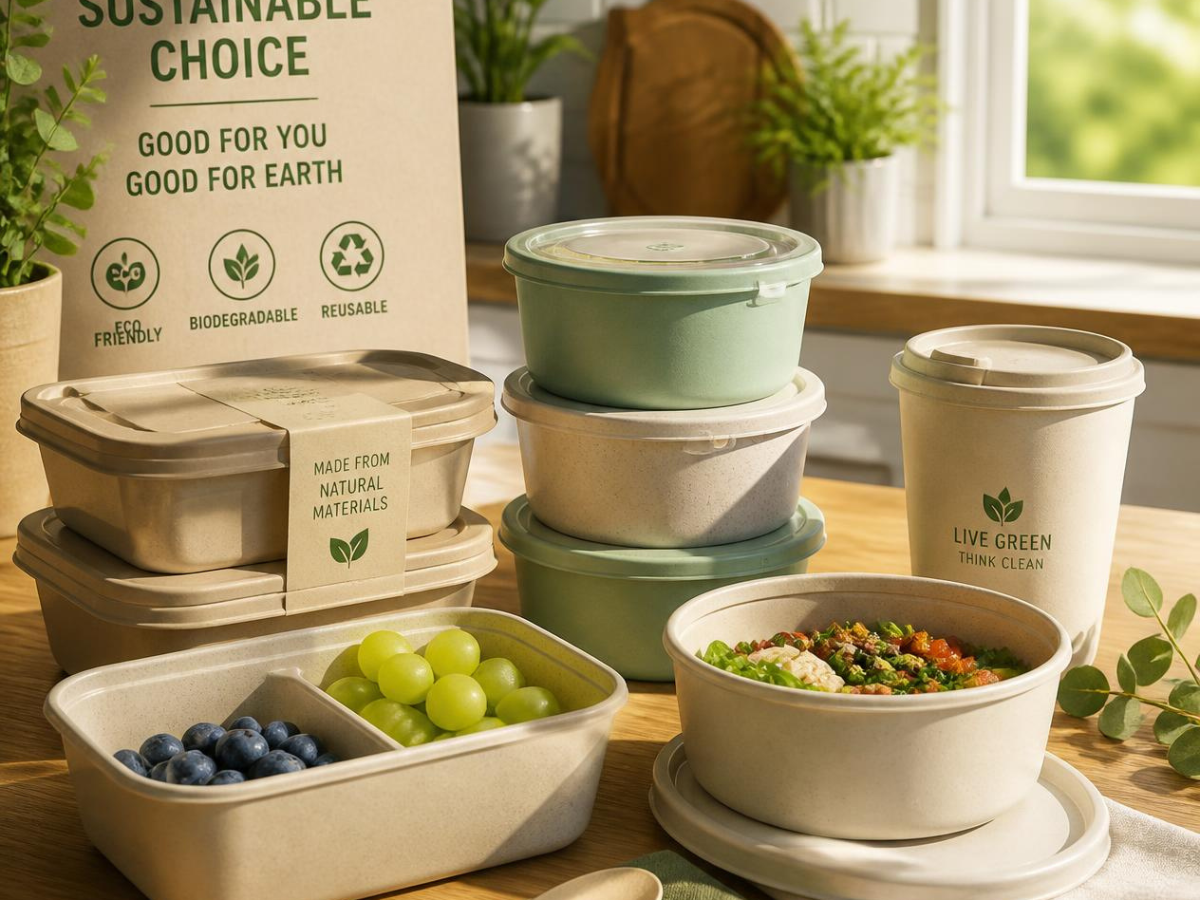
The shift toward eco-friendly packaging is no longer limited to environmentally focused brands. From corporate catering and weddings to festivals and meal delivery services, businesses are adopting sustainable packaging to reduce waste, meet customer expectations, and prepare for changing regulations.
Real-world examples show that the greatest success comes from treating packaging as part of the overall guest experience rather than simply replacing plastic with another material.
How Businesses Are Using Eco-Friendly Packaging Successfully
Businesses across the catering industry are finding practical ways to incorporate eco-friendly packaging without sacrificing convenience or presentation.
Corporate events are increasingly using compostable meal containers, fiber-based plates, wooden cutlery, and recyclable beverage packaging to support company sustainability goals. Many organizations also pair these materials with clearly labeled recycling and compost stations, making it easier for attendees to dispose of packaging correctly while reducing contamination.
Wedding and private event caterers are embracing sustainable packaging as part of premium event design. Compostable serving ware, recyclable takeaway boxes for leftovers, and paper-based food wraps allow couples to reduce waste while maintaining an elegant presentation. For many clients, sustainability has become an important consideration alongside food quality and décor.
Food trucks, cafés, and delivery services are also switching to renewable materials such as bagasse containers, kraft paper packaging, and plant-based cups. Besides reducing single-use plastics, these materials often strengthen a brand’s environmental message, which can resonate with customers looking to support businesses that align with their values.
In each of these examples, eco-friendly packaging works best when paired with thoughtful planning, appropriate disposal options, and clear communication.
Trends Driving Demand for Sustainable Packaging
Several long-term trends are accelerating the adoption of eco-friendly packaging throughout the food service industry.
Consumer awareness continues to grow as more people consider the environmental impact of takeout containers, disposable utensils, and food delivery packaging. Customers increasingly notice whether businesses use recyclable, compostable, or reusable alternatives, and many expect brands to make sustainable choices where practical.
Regulatory changes are also influencing purchasing decisions. Cities, states, and countries continue introducing restrictions on certain single-use plastics, encouraging businesses to transition toward materials that are recyclable, compostable, or derived from renewable resources.
At the same time, advances in manufacturing have made sustainable packaging more durable, attractive, and suitable for a wider range of foods. Modern compostable containers are better equipped to handle moisture, grease, and hot meals than many earlier alternatives, making them practical for everyday catering operations.
New Materials Are Expanding Sustainable Packaging Options
Innovation continues to reshape what eco-friendly packaging can do.
Plant-based polymers made from renewable agricultural sources are becoming more common, offering improved strength, moisture resistance, and food safety while reducing dependence on petroleum-based plastics. Manufacturers are also developing fiber-based packaging with enhanced grease resistance, eliminating the need for plastic linings in many applications.
Other emerging technologies include:
- Compostable barrier coatings that help containers resist leaks.
- Molded fiber packaging made from agricultural byproducts.
- Seaweed- and algae-based materials designed to reduce plastic waste.
- Lightweight packaging designs that require fewer raw materials during production and transportation.
While not every innovation is widely available yet, the market continues moving toward materials that balance performance with environmental responsibility.
Choosing Eco-Friendly Packaging for Long-Term Success
As the sustainable packaging industry evolves, businesses should focus on solutions that meet both operational needs and environmental goals. The best choice is rarely the newest material. Instead, it is the option that matches the food being served, complies with local disposal infrastructure, and aligns with customer expectations.
Investing in eco-friendly packaging today can help businesses reduce waste, prepare for future regulations, and strengthen their reputation among environmentally conscious customers. As materials continue to improve and sustainable practices become more mainstream, businesses that adopt thoughtful packaging strategies will be well positioned for long-term success.
How to Successfully Implement Eco-Friendly Packaging in Your Catering Business
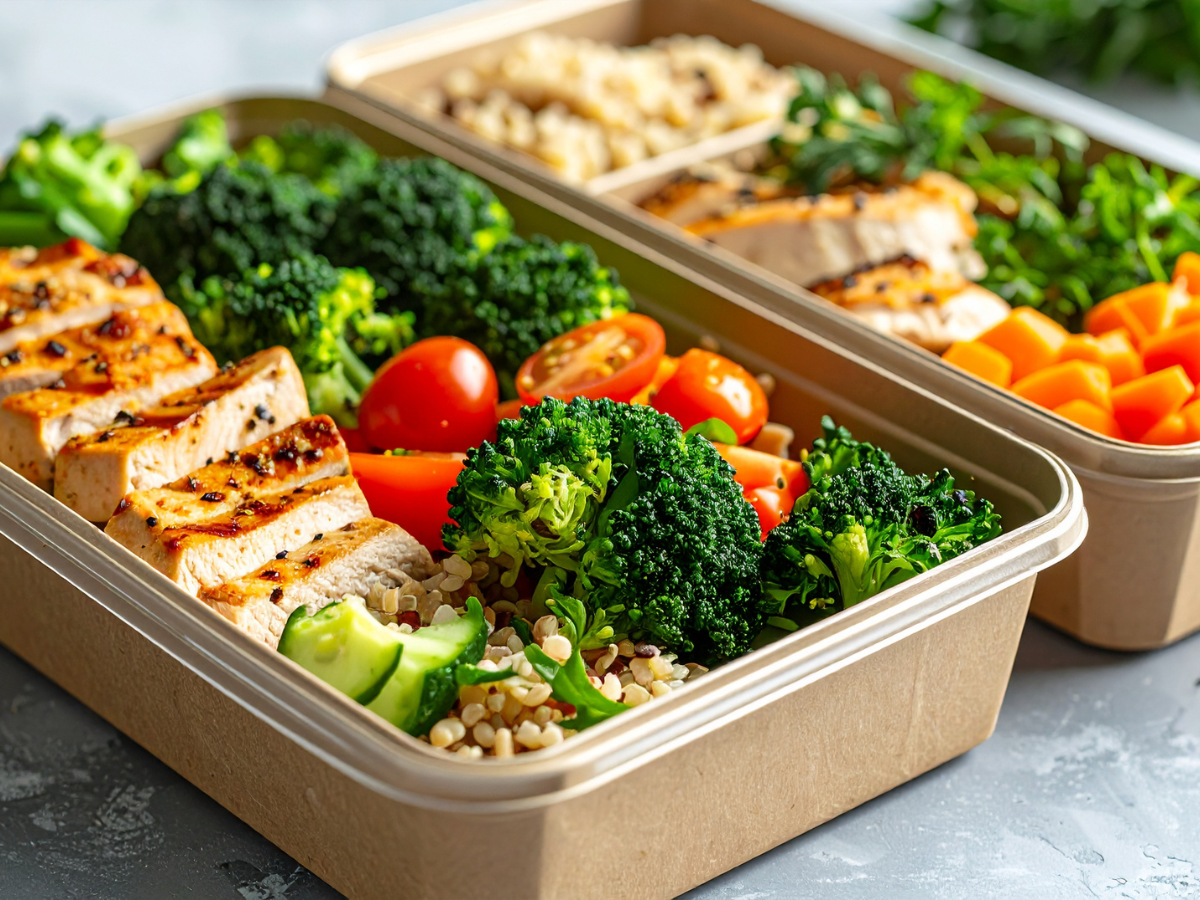
Switching to eco-friendly packaging is about more than replacing plastic containers with compostable ones. To achieve meaningful environmental and business benefits, catering companies need a strategy that considers purchasing, staff training, customer experience, and waste management together.
Whether you’re running a small catering company or managing large-scale events, a thoughtful transition helps reduce waste while maintaining food quality, operational efficiency, and customer satisfaction.
Build a Sustainable Packaging Plan
The first step is to evaluate how packaging is currently used throughout your business. Identify which items generate the most waste, such as takeaway containers, cutlery, cups, lids, napkins, or food wraps. These products often present the biggest opportunities for improvement.
When selecting new materials, choose eco-friendly packaging that matches your menu and service style. Hot foods, cold dishes, liquids, and baked goods all have different packaging requirements, so durability, leak resistance, and temperature performance should be considered alongside sustainability.
It is also worth working with suppliers that provide clear information about product certifications, recycled content, compostability, and responsible sourcing. Transparent documentation makes it easier to choose products that genuinely support your environmental goals rather than relying on marketing claims alone.
Prepare Your Team for a Successful Transition
Even the best sustainable packaging program can fall short if employees don’t understand how to use it correctly.
Train staff on when to use different packaging materials, how to separate recyclable and compostable items, and how to answer common customer questions. Consistent procedures reduce mistakes, minimize contamination, and help ensure packaging ends up in the correct waste stream.
For businesses serving large events, simple signage and clearly labeled waste stations can also make a noticeable difference. Guests are much more likely to dispose of eco-friendly packaging correctly when instructions are easy to follow.
Help Customers Participate
Customers increasingly appreciate businesses that prioritize sustainability, but they also want clear guidance.
Let customers know whether containers should be recycled, composted, or disposed of differently depending on local facilities. Simple icons on packaging, printed instructions, or brief reminders from staff can improve disposal rates and prevent recyclable or compostable materials from ending up in general waste.
Being transparent about your sustainability efforts also helps build trust. Rather than making broad environmental claims, explain the practical steps your business has taken, such as switching to plant-based packaging, reducing single-use plastics, or sourcing renewable materials.
Measure Results and Continue Improving
Adopting eco-friendly packaging should be viewed as an ongoing process rather than a one-time change.
Track a few meaningful performance indicators to understand whether your efforts are delivering results. These may include:
| Metric | Why It Matters |
|---|---|
| Packaging waste generated | Measures overall waste reduction over time. |
| Customer feedback | Reveals how clients perceive the new packaging. |
| Product damage or leakage | Ensures sustainable materials still protect food effectively. |
| Packaging costs | Helps balance environmental goals with operating expenses. |
| Compliance with local regulations | Confirms your business stays ahead of changing packaging requirements. |
Reviewing these metrics regularly makes it easier to identify opportunities for improvement, whether that means changing suppliers, testing new materials, or refining your packaging choices for different menu items.
Make Sustainability Part of Your Brand
As demand for environmentally responsible businesses continues to grow, eco-friendly packaging has become more than an operational decision. It is an opportunity to strengthen your brand and demonstrate your commitment to sustainability.
Businesses that take a thoughtful, long-term approach often discover benefits beyond waste reduction, including improved customer loyalty, greater operational efficiency, and better preparation for future environmental regulations.
By continuously evaluating performance and adapting to new packaging innovations, catering companies can build a packaging strategy that supports both business growth and environmental responsibility.
Conclusion
Eco-friendly packaging is a simple yet impactful way to reduce waste while creating a more sustainable catering experience. From compostable containers and recyclable serving materials to thoughtful packaging choices that maintain food quality, sustainable practices can benefit both your guests and the environment.
Whether you’re planning a corporate event, wedding, or private celebration, choosing a caterer that values quality and sustainability can make your event even more memorable.
For exceptional catering services and customized event menus, choose A Delightful Bitefull Catering. If you’re planning an upcoming event, call (770) 565-4146 to speak with the team at A Delightful Bitefull Catering and get your event catered with delicious food and professional service.