
A backyard celebration, formal wedding, corporate luncheon, and milestone birthday shouldn’t all feel like they came from the same catering template. The best event menus reflect the occasion itself, from the atmosphere and guest list to the season, serving style, and dietary needs around the table.
Custom catering menus make that level of personalization possible. Instead of choosing from a rigid selection of dishes, hosts can build a menu around favorite flavors, event themes, cultural influences, dietary preferences, and the experience they want guests to have. Even details such as portion sizes, presentation, and service format can be tailored to suit the gathering.
Whether the event calls for elegant courses, relaxed family-style dining, or creative food stations, a thoughtfully customized menu can make the meal feel like a memorable part of the occasion rather than simply another event detail.
How Custom Catering Menus Create a Better Guest Experience
What Are the Benefits of Custom Catering Menus for Events?
A standard catering package can work well when an event has straightforward needs. But when the guest list includes different dietary requirements, the occasion has a specific tone, or the meal needs to fit a detailed event schedule, custom catering menus give hosts more control over how food fits into the experience.
Customization does not necessarily mean creating every dish from scratch. Often, it means choosing and adapting courses, service styles, portions, and menu combinations so they make sense for the people attending and the way the event will unfold.
That flexibility can be especially valuable for weddings, corporate functions, milestone celebrations, and other gatherings where one fixed menu may not suit every guest or every part of the day.
Custom Menus Make Dietary Planning More Manageable
Dietary needs are easier to address during menu planning than after guests arrive. A custom menu gives hosts an opportunity to discuss vegetarian or vegan preferences, gluten-free requests, food allergies, religious considerations, and other dietary requirements with the caterer in advance.
Depending on the event, that could mean modifying individual dishes, adding alternative entrées, or designing the overall selection so several guests can comfortably choose from the same spread.
The goal should not simply be to add one token alternative. A better approach is to consider how guests with different needs will experience the meal from appetizers through dessert. Reviewing the available catering menu options can provide a starting point before discussing which dishes or combinations may be suitable for a particular guest list.
Corporate Catering Can Be Built Around the Event Schedule
Food serves a practical role at corporate events. A menu that works for an evening reception may be completely wrong for a working lunch, training day, client meeting, or morning presentation.
For shorter meetings, food that is easy to serve and eat without disrupting the agenda may be the priority. A client dinner or company celebration can support a more formal service style. Longer conferences may need meals planned around breaks, presentation times, and the number of attendees moving through the service area at once.
That makes custom catering menus useful for more than presentation. They allow the food, portioning, and service format to support the event rather than compete with it.
Businesses planning anything from breakfast meetings to formal lunches can compare corporate catering options while deciding whether buffet service, plated meals, hors d’oeuvres, or another format best fits the schedule and audience.
Wedding Menus Can Reflect the Couple Without Becoming Complicated
Wedding catering has a different challenge. The menu may need to serve a large and varied guest list while still feeling connected to the couple and the style of the celebration.
Personal touches can come from cuisines the couple enjoys, family traditions, favorite dishes, regional influences, or a menu that complements the season and venue. Not every course has to carry a personal story. Often, one or two meaningful choices are enough to make the meal feel distinctive.
Service style matters just as much as the dishes themselves. A plated dinner can suit a formal reception with a structured timeline, while a buffet or stations may work better for a more relaxed celebration where guests are encouraged to mingle.
Couples can explore wedding catering and menu options alongside venue plans, guest count, dietary needs, and the reception schedule rather than treating the menu as a separate decision.
Better Customization Starts With the Right Planning Questions
A successful custom menu is less about offering endless choices and more about making the right ones.
Before finalizing food selections, hosts should be ready to discuss the guest count, event duration, service style, venue setup, dietary requests, budget, and overall atmosphere. It also helps to identify priorities early. If accommodating several dietary restrictions is essential, for example, that may influence the menu more than having a large number of entrées.
Timing matters as well. Bitefull’s current catering policies state that final menu selections are due no later than two weeks before an event, with the guaranteed guest count finalized closer to the event date.
Custom catering menus work best when personalization has a purpose. The strongest menu is not necessarily the one with the greatest number of options. It is the one that fits the guests, complements the occasion, works within the event’s logistics, and makes the meal feel like a natural part of the experience.
How Do You Design Personalized Event Menus for Diverse Dietary Needs?
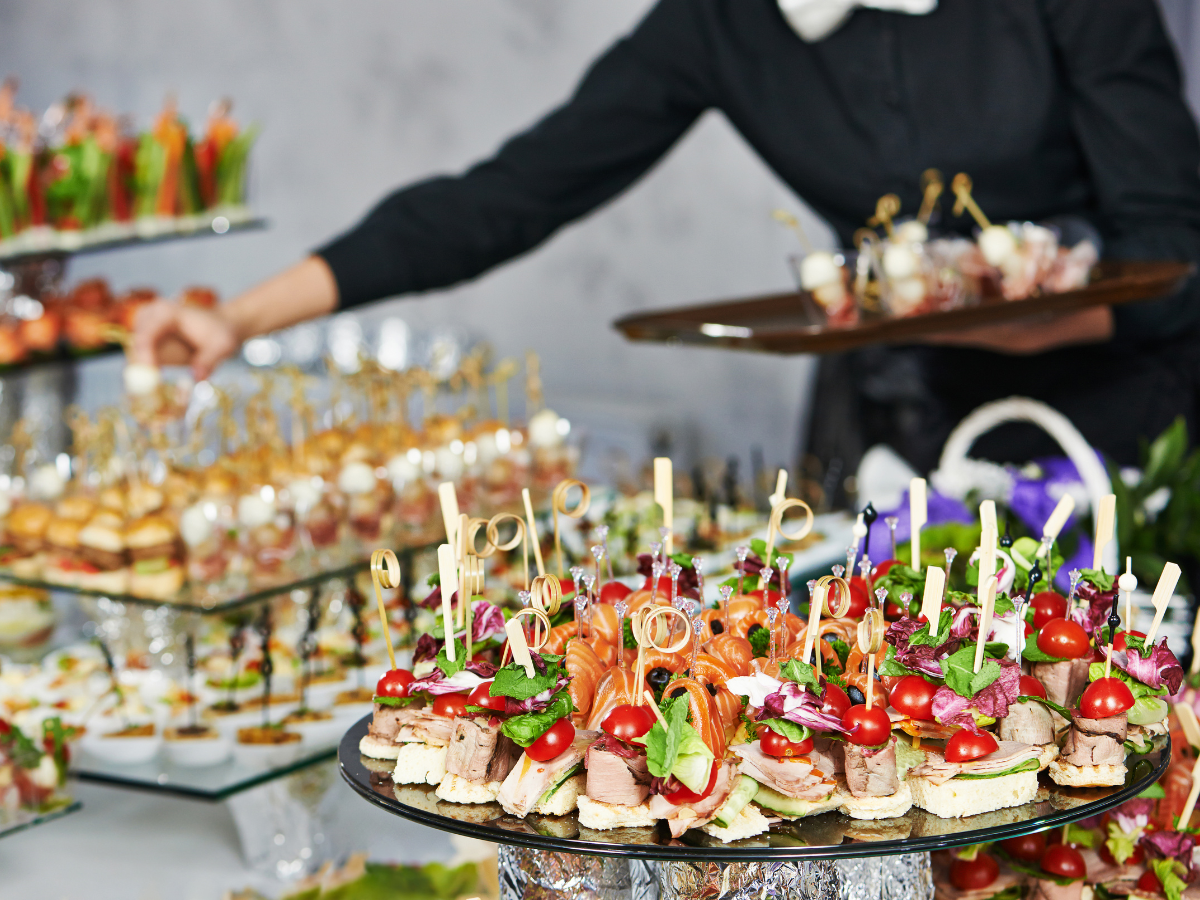
Designing custom catering menus for a varied guest list requires more than adding one vegetarian entrée or a gluten-free dessert at the end of the planning process. Dietary needs are easier to accommodate when they are considered from the beginning, alongside guest count, service style, event timing, and the overall feel of the meal.
A thoughtful menu can account for vegetarian, vegan, gluten-free, nut-free, and other dietary preferences while still feeling cohesive. The goal is not to create a separate meal for every guest. It is to identify dishes and combinations that naturally work for more people, then add targeted alternatives where needed.
That approach can simplify service, reduce unnecessary duplication, and help guests feel included rather than singled out.
How Can Custom Menus Accommodate Different Dietary Needs?
Start by gathering dietary information as early as possible. Hosts should ask guests to identify allergies, intolerances, religious dietary requirements, and personal preferences rather than treating every request as interchangeable.
For example:
- A vegetarian guest may eat dairy and eggs, while a vegan guest will not.
- A gluten-free request may reflect a medical need, intolerance, or personal preference.
- A nut allergy requires a different level of planning than simply preferring a nut-free dish.
- Dairy-free and vegan overlap in some cases, but they are not the same requirement.
These distinctions matter because ingredient choices, preparation methods, and cross-contact concerns can differ considerably.
Bitefull’s custom catering options specifically address vegetarian, vegan, gluten-free, and allergen-sensitive menu planning. That kind of flexibility is particularly useful when several dietary needs appear within the same guest list.
For events with multiple plant-based guests, building part of the menu around naturally inclusive dishes can be more practical than creating isolated substitutes. Rice, potatoes, beans, vegetables, and certain grains can provide flexible foundations depending on the recipe and dietary requirements.
Bitefull’s plant-based catering menus also illustrate how plant-based dishes can be planned alongside gluten-free and dairy-free considerations rather than treated as a single category.
How Should Food Allergies Be Handled During Menu Planning?
Allergies require clearer communication than ordinary food preferences. Hosts should tell the caterer about known allergies during the planning stage and ask how ingredients, preparation, service, and potential cross-contact are handled. A dish being made without a particular ingredient does not automatically mean it can be considered safe for someone with a serious allergy.
For that reason, avoid making assumptions based only on menu labels. Ask specific questions about ingredients and preparation when a guest has a medically significant restriction.
It also helps to make identifying suitable dishes straightforward at the event. Depending on the service format, that may involve clear menu descriptions, staff who understand which selections meet particular requirements, or advance arrangements for individual meals.
Custom catering menus work best when dietary accommodations are planned deliberately rather than handled as last-minute substitutions.
How Can a Personalized Menu Still Reflect the Event?
Dietary accommodation does not mean the menu has to become generic. Hosts can still build the meal around cuisines, flavors, family traditions, seasonal ingredients, or dishes that suit the tone of the occasion.
A Southern-inspired event, for example, might use familiar regional flavors while adapting particular dishes for vegetarian or gluten-free guests. A casual gathering might favor shareable foods, while a formal dinner may call for a more structured progression of courses.
The key is deciding which elements of the menu matter most. For a wedding, that might be a family recipe or favorite entrée. For a birthday dinner, it could be the guest of honor’s preferred cuisine. For a reunion or anniversary, familiar comfort foods may matter more than an elaborate presentation.
Smaller celebrations can also benefit from this approach. Bitefull’s social event catering covers events ranging from dinner parties to anniversaries and reunions, where guest preferences and the atmosphere of the gathering may strongly influence menu choices.
How Do You Balance Variety Without Creating Too Many Options?
More choices do not always produce a better menu. Too many entrées, sides, and special alternatives can complicate service and make the meal feel disconnected. Instead, look for dishes that satisfy several needs at once, then use a smaller number of specialized selections where necessary.
For example, a well-designed vegetable side may already be vegetarian, vegan, and gluten-free without feeling like a “special diet” dish. A hearty plant-based entrée can appeal to guests who eat meat as well as those who do not.
This is where custom catering menus provide the most value. They allow planners to balance dietary needs, personal tastes, service logistics, and the character of the event without treating each consideration as a separate menu problem. The result should feel like one thoughtfully designed meal, not a collection of accommodations added at the last minute.
Which Event Types Benefit Most From Custom Catering Menus?
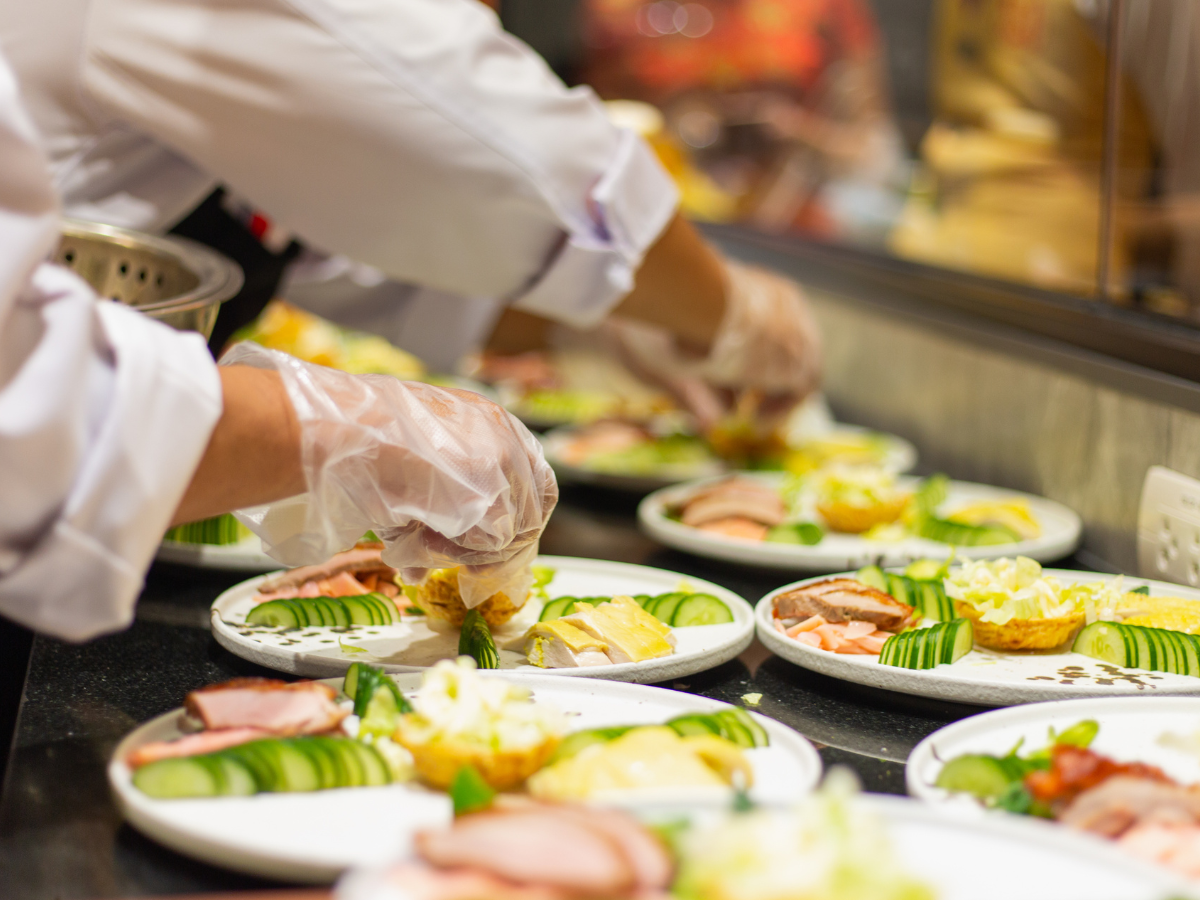
Almost any catered gathering can benefit from some degree of menu flexibility, but customization becomes particularly useful when an event has a diverse guest list, a specific schedule, a strong theme, or several moving parts.
Weddings, corporate functions, milestone celebrations, holiday parties, and large social events often fall into this category because the food needs to support more than one priority at once.
For these occasions, custom catering menus can help coordinate dietary needs, service style, event timing, and the overall atmosphere instead of treating food as a separate planning decision.
An intimate dinner may need a carefully paced plated meal, while a large reception may work better with stations or a buffet that keeps guests moving. Thinking about the menu alongside the broader event planning and catering process helps ensure those choices support the way the gathering will actually unfold.
Weddings Benefit From Menus Built Around the Reception
Wedding menus often have to satisfy the widest range of expectations. Couples may want dishes that reflect their tastes or family traditions, but they also need food that works for a guest list spanning different ages, dietary preferences, and eating habits.
The reception format matters just as much as the menu itself. A formal evening may call for plated courses that fit tightly within speeches and other scheduled moments, while a relaxed reception may work better with stations or a buffet that gives guests more freedom. Cocktail-hour selections also need to complement, rather than duplicate, the main meal.
Customization allows couples to decide where personalization matters most without making every element complicated. A signature appetizer, meaningful family dish, distinctive dessert, or carefully chosen entrée can give the meal personality while the rest of the menu remains approachable for a broad group of guests.
Corporate Events Need Menus That Work With the Agenda
Corporate catering is often less about creating an elaborate dining experience and more about helping an event run smoothly. A menu for a two-hour client presentation has different requirements from one designed for an all-day training session, awards dinner, product launch, or company celebration.
Breakfast meetings may need food that can be served quickly without interrupting conversation. Working lunches benefit from selections that are easy to eat while attendees remain engaged. Evening functions can support a more social format with hors d’oeuvres, food stations, or a full dinner.
Custom catering menus are especially useful here because the service style can be designed around the schedule rather than forcing the schedule around the meal. Dietary accommodations, portion sizes, serving times, and even the level of formality can all be adjusted to suit the purpose of the event.
Private Parties Can Match the Menu to the Way Guests Will Gather
Birthdays, anniversaries, graduations, reunions, and backyard gatherings offer more freedom than many formal events. That makes them well suited to menus built around how the host wants people to interact.
A seated anniversary dinner may call for a structured meal, while a birthday party may work better with shareable appetizers or stations that let guests mingle. For outdoor gatherings, BBQ catering for office and backyard events can provide a more casual format while still allowing the menu and level of service to be adapted to the size and style of the gathering.
The important question is not simply what food the host likes, but how guests will eat it. If people will be standing, moving between indoor and outdoor spaces, or arriving at different times, food that requires everyone to sit down simultaneously may create unnecessary friction.
Holiday and New Year’s Eve Events Require More Timing Flexibility
Holiday celebrations create another set of planning challenges because they often run longer than an ordinary meal and include several phases. Guests may arrive over an extended period, mingle before dinner, return for dessert later, or stay through a midnight celebration.
For New Year’s Eve in particular, the menu may need to remain appealing throughout the night rather than centering everything around one dinner service.
Appetizers, bite-sized foods, buffet selections, desserts, and late-night snacks can help distribute food across the event. New Year’s Eve party ideas can also help with choosing formats that suit a celebration where guests may be eating at different times.
This is also where service logistics become particularly important. Foods that hold well, can be replenished efficiently, and remain easy to eat in a social setting may be more practical than dishes chosen primarily for presentation.
When Is Customization Most Worthwhile?
Customization provides the greatest value when the event has competing needs to balance. A large guest list with several dietary restrictions, a tightly scheduled corporate program, a wedding with multiple service periods, or a holiday party lasting several hours all create decisions that a fixed menu may not solve well.
That does not mean every dish needs to be reinvented. Effective custom catering menus often rely on thoughtful adjustments to menu combinations, quantities, service style, dietary alternatives, and timing. The point is to make the food fit the occasion rather than adding complexity for its own sake.
The best menu is one guests can enjoy without noticing how much planning went into it. When the food arrives at the right time, suits the setting, accommodates the people attending, and supports the natural flow of the event, customization is doing exactly what it should.
How Are Custom Catering Menus Priced?
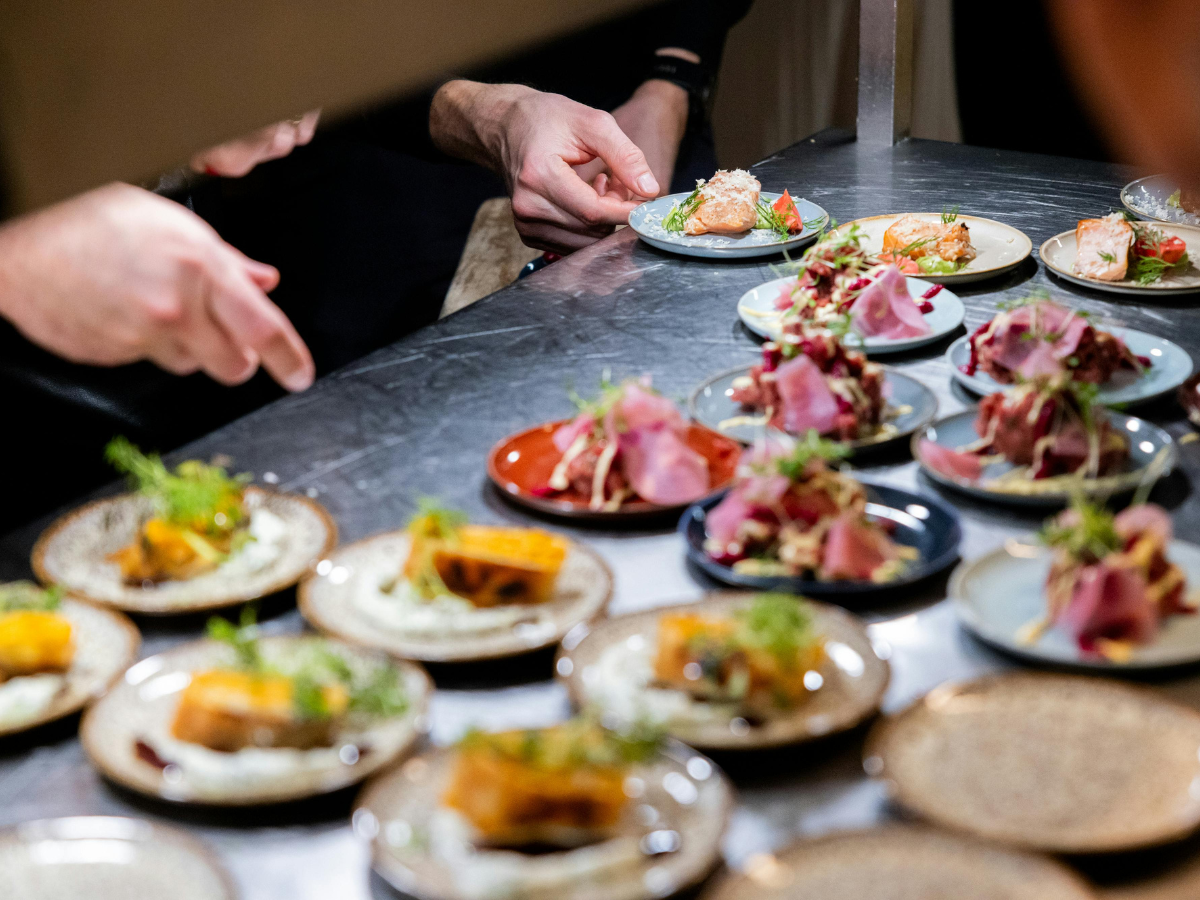
Pricing for custom catering menus usually depends on more than the food itself. Guest count, menu selections, service style, staffing, rentals, delivery, and the complexity of the event can all influence the final quote. A buffet for 40 guests, for example, has different labor and equipment needs than a plated dinner for the same number of people, even if some of the dishes are similar.
For that reason, comparing catering proposals solely by the advertised price per person can be misleading. A lower starting price may cover food but exclude staffing, setup, rentals, or service fees, while another package may include more of those elements from the outset. The most useful comparison is the total scope of what each quote provides.
What Factors Have the Biggest Impact on Catering Costs?
Guest count matters because it determines how much food is required, but it is only one part of the calculation. Bitefull’s own pricing guidance notes that service style, menu complexity, staffing, and specialty ingredients can substantially affect catering costs.
A streamlined buffet or delivery-style service generally requires fewer on-site resources than a plated meal with multiple courses and serving staff.
Menu choices can also change the budget. Specialty ingredients, labor-intensive dishes, elaborate presentations, additional courses, or numerous individually prepared dietary alternatives can increase preparation requirements. More straightforward selections may give planners greater flexibility to spend elsewhere, such as appetizers, desserts, beverages, or event service.
Hosts working within a defined budget should discuss that number early rather than selecting an ideal menu first and trying to reduce costs afterward. Bitefull’s guidance on keeping business catering affordable recommends choosing cost-effective dishes and discussing budget limits with the caterer so the menu can be structured around realistic priorities.
How Does Service Style Change the Price?
Food is only one component of catering. How it reaches the guest can make a significant difference in the final cost.
Drop-off or delivery catering is generally simpler because it reduces the amount of on-site labor required. Full-service events may involve setup, servers, buffet attendants, bartenders, cleanup, rentals, or other event support. Plated meals typically require more coordination and staffing than a buffet, while food stations may introduce their own equipment and service requirements.
For a smaller or less formal event, catering delivery services may provide the level of convenience needed without the infrastructure of a full-service event. Larger weddings, corporate dinners, and formal receptions may justify more extensive staffing because service is part of the guest experience.
This is one reason custom catering menus should be designed alongside the service plan. Choosing dishes first and deciding how to serve them later can create avoidable cost or logistical problems.
What Should Be Included in a Catering Quote?
A useful catering estimate should make it possible to understand what the quoted total actually covers. Depending on the event, planners may need to ask about food, delivery, setup, staffing, rentals, serving equipment, beverages, service charges, taxes, and gratuity.
Bitefull’s current catering policies provide several important details that affect budgeting. A 50% deposit and signed contract are required to confirm the event date, prices are guaranteed after that deposit is made, and the remaining balance is due one week before the event. The company also lists an 18% taxable service charge and notes that gratuity is not included in that charge.
Those distinctions are worth checking with any caterer. A “service charge,” for example, should not automatically be assumed to mean gratuity. Clients should also ask whether taxes, rental costs, delivery, staff, or other event expenses are included in the quoted total or calculated separately.
How Can You Compare Catering Packages Fairly?
The best package is not necessarily the one with the lowest per-person figure. Compare proposals based on what your event actually requires and what each price includes.
A useful comparison should account for:
- The number of guests covered by the quote
- The number and type of menu selections
- Buffet, plated, station, or delivery service
- Setup and cleanup responsibilities
- Staffing and service time
- Rentals or serving equipment
- Delivery or transportation charges
- Taxes, service charges, and gratuity
- Dietary accommodations or specialized menu requests
If two proposals differ substantially in price, look for differences in scope before assuming one caterer is simply more expensive. One may include staff, setup, and equipment that the other lists separately.
How Can Customization Stay Within Budget?
Customization does not have to mean choosing the most elaborate version of every dish. In practice, well-planned custom catering menus often involve deciding where personalization matters most and keeping other elements simple.
A host might prioritize an upgraded entrée while choosing straightforward sides, or invest in passed appetizers while using a buffet for the main meal. A wedding couple might allocate more of the budget to dinner and simplify late-night food, while a corporate planner may prioritize efficient service over elaborate presentation.
Setting a target budget, confirming the guest count, and identifying two or three priorities before requesting a proposal can make the planning process much more productive.
A transparent quote should then show how menu choices, service, staffing, and additional fees contribute to the final cost, allowing planners to adjust the parts of the event that matter least without compromising the experience they care about most.
How Do You Choose a Reliable Catering Company for Custom Menus in Metro Atlanta?
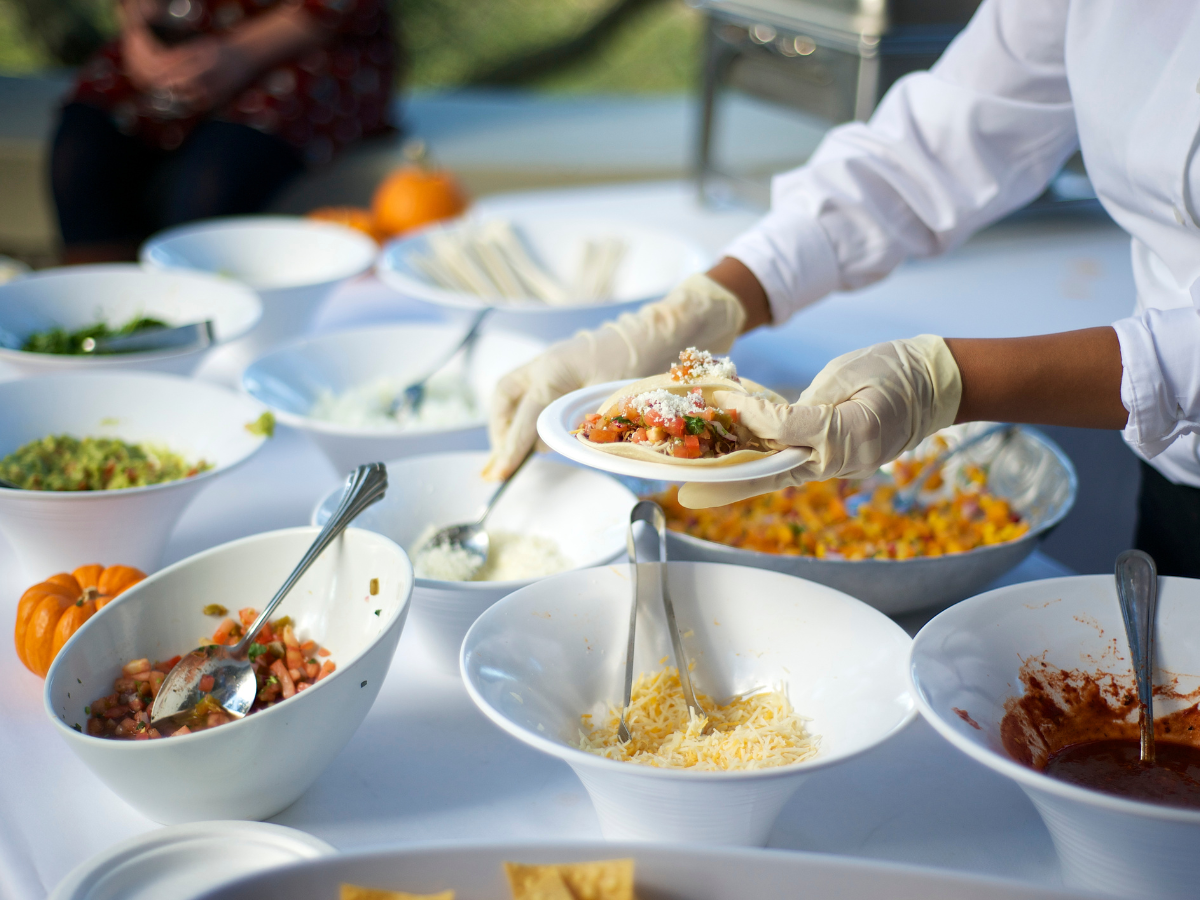
Choosing a caterer for custom catering menus requires more than comparing food photos and per-person prices. The company also needs to communicate clearly, understand the logistics of the venue, accommodate the guest list, and provide a realistic plan for how food and service will work on the day of the event.
Start by looking for evidence that the caterer regularly handles events similar to yours. A company experienced with intimate dinner parties may not necessarily be the right fit for a 250-person wedding, just as a large-event caterer may offer more staffing and service than a small office lunch requires.
The goal is to find a provider whose experience, menu flexibility, and operational capabilities match the actual event.
Verify Experience That Matches Your Type of Event
Years in business can provide useful context, but relevant experience matters more than longevity alone. Ask how frequently the caterer handles events of your size and service style, particularly if the event involves multiple courses, a tight timeline, substantial dietary accommodations, or an unfamiliar venue.
Reviewing a caterer’s past client experiences and event history can help identify patterns in the types of events they regularly manage. Bitefull, for example, publishes testimonials from wedding, corporate, and social-event clients and states that it has served the Atlanta area since 1989.
Testimonials should still be treated as one piece of the evaluation rather than proof on their own. Look for specific comments about timeliness, communication, service, food quality, setup, and the company’s response to unexpected changes. Detailed feedback is generally more useful than a collection of generic five-star statements.
Ask What Is Included Beyond the Food
Two catering quotes can look similar while covering very different levels of service. Before comparing prices, find out who is responsible for setup, serving, cleanup, linens, serving equipment, rentals, beverages, and coordination with the venue.
This becomes especially important with custom catering menus because changes to service style can affect staffing and equipment needs. A plated meal, buffet, passed hors d’oeuvres reception, and drop-off order each require a different level of support.
Bitefull’s Atlanta catering services page, for example, separates menu pricing from optional service personnel and lists additional support such as setup, pickup, décor, and rentals. That kind of detail illustrates why clients should compare the complete scope of a catering proposal rather than focusing on the food total alone.
Find Out How the Caterer Handles Your Venue
A caterer does not necessarily need to have worked at your exact venue before, but they should be prepared to understand its requirements. Ask who will confirm loading access, kitchen availability, service areas, setup times, cleanup rules, power needs, and any restrictions affecting food preparation or service.
An established relationship with a venue can simplify coordination, particularly for weddings and larger events, but it should not be the only deciding factor. Bitefull maintains a directory of Atlanta-area catering venues, which can also help planners see the types of spaces and locations a caterer is accustomed to working with.
If the venue has an approved-caterer list or specific insurance requirements, confirm those details before signing a contract or paying a nonrefundable deposit.
Evaluate How Well the Caterer Communicates During Planning
Communication before the event often provides a preview of what working with the company will be like later. Pay attention to whether questions are answered clearly, dietary concerns are taken seriously, deadlines are explained, and changes are documented.
A reliable caterer should be able to explain how custom catering menus are developed, when the final menu and guest count are due, what happens if attendance changes, and which costs could change before the event. Answers that remain vague after repeated questions may become more problematic as the event approaches.
The proposal should also reflect what was discussed. Check the date, venue, guest count, menu, service format, staffing, rentals, fees, payment schedule, and cancellation terms before signing.
Use Reviews as Verification, Not the Entire Decision
Google reviews, social media, testimonials, and event photographs can all help establish whether a business is active and whether past clients consistently report positive experiences. They are most useful when compared against what the caterer tells you directly.
Look for patterns across several sources. Repeated praise for communication and punctual service carries more weight than one enthusiastic review. Likewise, repeated complaints about late arrivals, surprise charges, missed dietary requests, or poor responsiveness deserve closer attention even if the company’s overall rating remains high.
The strongest choice is usually the caterer who provides clear information at every stage. Good food matters, but so do realistic pricing, dependable communication, appropriate staffing, venue coordination, and a menu that can actually be executed as promised.
Customization only improves an event when the company behind it can turn the plan into consistent service for every guest.
How Can Catering Photos and Client Success Stories Help With Event Planning?

Photos and client stories can make catering options easier to evaluate because they show how ideas translate into real events. A written menu might describe passed appetizers, food stations, or a plated dinner, but photographs can reveal the presentation style, portioning, serving pieces, buffet layout, and overall level of formality much more quickly.
They are most useful when treated as evidence to examine rather than inspiration alone. A polished image may look appealing, but clients should also ask whether it represents the type and scale of event they are planning. Testimonials can provide similar context by showing how the caterer handled communication, timing, customization, and service once the event was underway.
For clients considering custom catering menus, combining both types of information can create a clearer picture of what is realistically possible.
What Should You Look for in Catering Photos and Event Galleries?
The best catering images do more than make food look attractive. They help clients understand how a menu may function within an actual event.
Pay attention to how dishes are arranged, how much space food stations require, whether buffet lines appear easy to navigate, and how the presentation fits the surrounding venue. A formal plated dinner should look different from an outdoor barbecue or cocktail reception, and a strong portfolio should demonstrate that range.
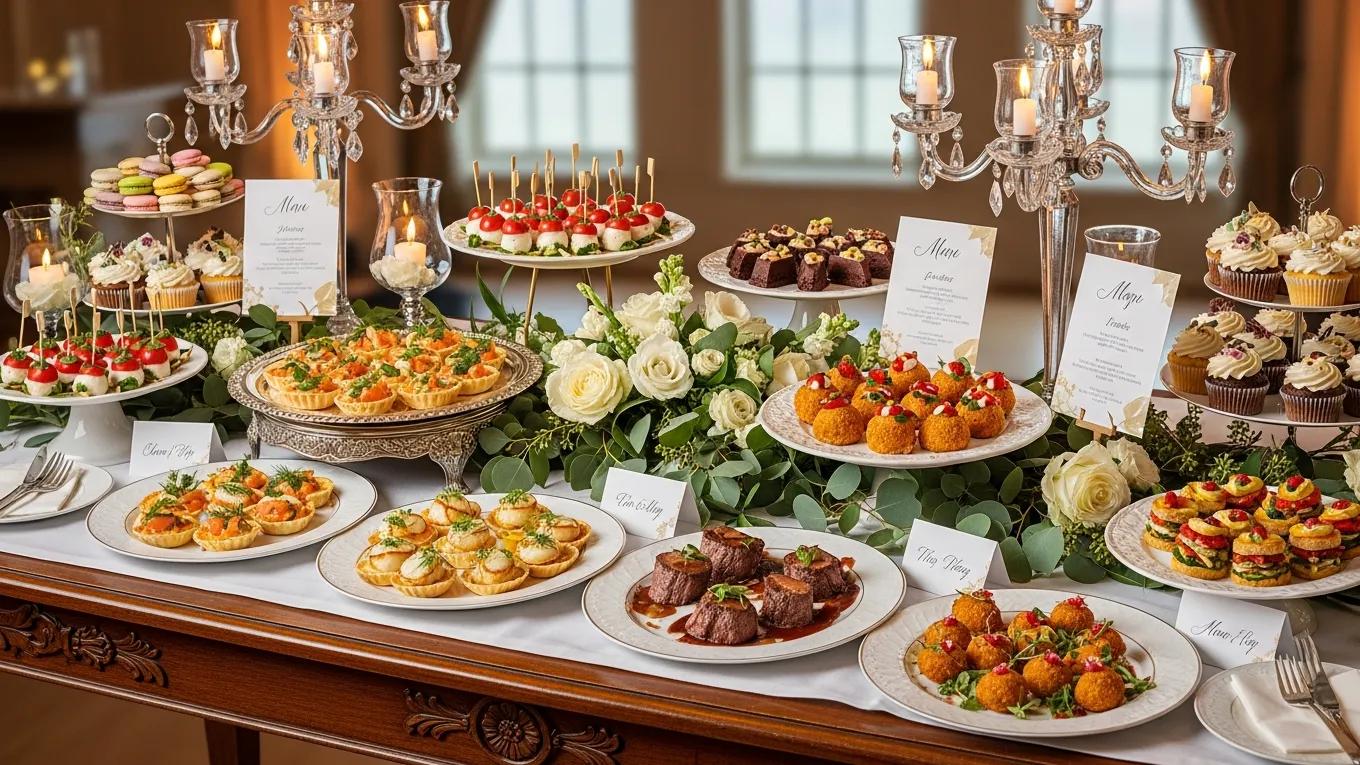
Presentation can also influence which menu ideas are practical for a particular event. Exploring different approaches to food presentation for events can help planners think about details such as serving vessels, buffet arrangement, color, height, and how food relates visually to the overall setting.
Consistency matters as well. One exceptional photograph provides less useful information than multiple events showing a similar level of care.
If a caterer’s gallery includes several examples of weddings, corporate functions, and social gatherings, look for whether the quality of presentation appears consistent across different settings rather than focusing only on the most elaborate event.
How Can Photos Help Refine Custom Catering Menus?
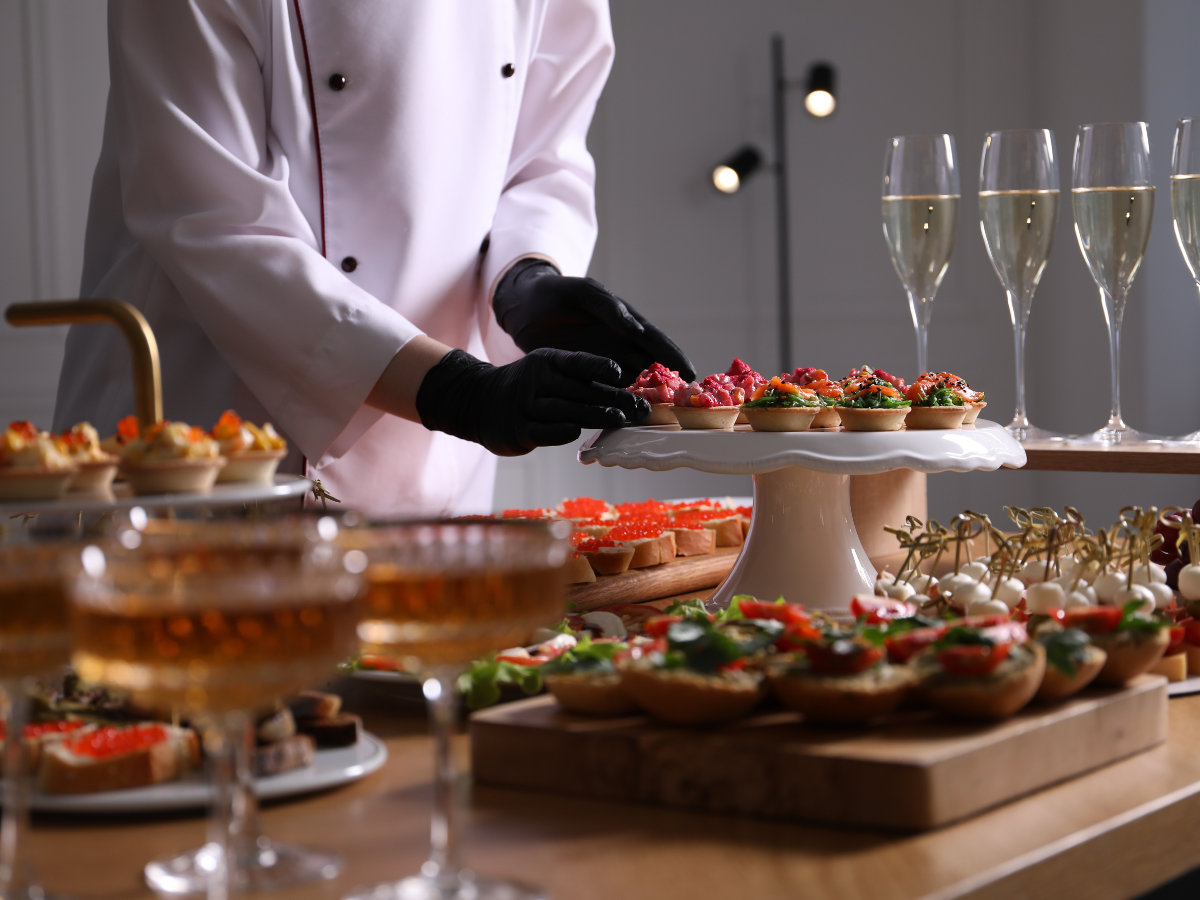
Visual examples are particularly useful when a client knows the atmosphere they want but does not yet know which service style will create it. Images can help clarify the difference between passed hors d’oeuvres, buffets, plated meals, grazing displays, and interactive stations before those choices are finalized.
For example, a client planning a social reception may realize that a large buffet feels too structured for the event, while several smaller stations would allow guests to move and mingle more naturally. Looking at examples of interactive event food stations can make that distinction easier to understand than a written list of menu options alone.
Photos can also start more productive conversations with the caterer. Instead of saying, “I want something elegant,” a client can point to specific elements they like, such as individual portions, tiered displays, minimal plating, or a more relaxed family-style presentation. The goal is not necessarily to copy another event but to identify what aspects of the presentation fit the new occasion.
What Can Client Testimonials Tell You That Photos Cannot?
A photograph captures the finished setup. It does not show whether the caterer arrived on time, handled a last-minute guest-count change, responded clearly during planning, or managed dietary requests accurately.
That is where detailed client stories become useful. Look for testimonials that describe the process as well as the outcome. Comments about responsiveness, organization, staff professionalism, timing, and the ability to adapt to changes can provide information that food photography cannot.
Specificity is more valuable than enthusiasm. “Everything was amazing” is positive feedback, but a review explaining that staff managed a complicated venue setup, accommodated several dietary needs, or kept dinner service on schedule provides considerably more information for someone planning a similar event.
Clients should also pay attention to whether reviews describe the same qualities repeatedly. Recurring comments about communication, flexibility, presentation, or service are more informative than relying on a single testimonial.
How Can You Tell Whether Visual Examples Are Relevant to Your Event?
Not every attractive catering photo is useful for every client. Compare examples based on guest count, venue type, service style, and level of formality rather than aesthetics alone.
If you are planning a buffet for 150 guests, photographs of intimate plated dinners may offer inspiration but say little about how the company handles high-volume buffet service. Likewise, elaborate wedding displays may not be relevant to a corporate lunch with a short service window.
It can also help to look closely at food styling for catered events before deciding which visual elements actually matter to your event. Styling choices such as color, texture, serving pieces, garnish, and table layout can change the impression of a menu without requiring completely different food.
The most useful portfolio is therefore not necessarily the prettiest one. It is the one that gives clients enough relevant examples to understand how custom catering menus can be adapted to different venues, service formats, guest counts, and event styles.
When photos are considered alongside detailed client experiences, they become practical planning tools rather than simply marketing images.
Conclusion
Custom catering menus give you the flexibility to create a dining experience that fits your event, guests, and vision instead of settling for a one-size-fits-all selection.
From appetizers and entrées to sides and desserts, a tailored menu can account for the occasion, flavor preferences, dietary needs, service style, and overall atmosphere you want to create. Working with an experienced caterer can also simplify planning while ensuring the food feels like a thoughtful part of the celebration.
For personalized menus and professional event catering, choose A Delightful Bitefull Catering. If you’re ready to create a custom menu for your next event, call (770) 565-4146 to speak with the team at A Delightful Bitefull Catering and get your event catered today.