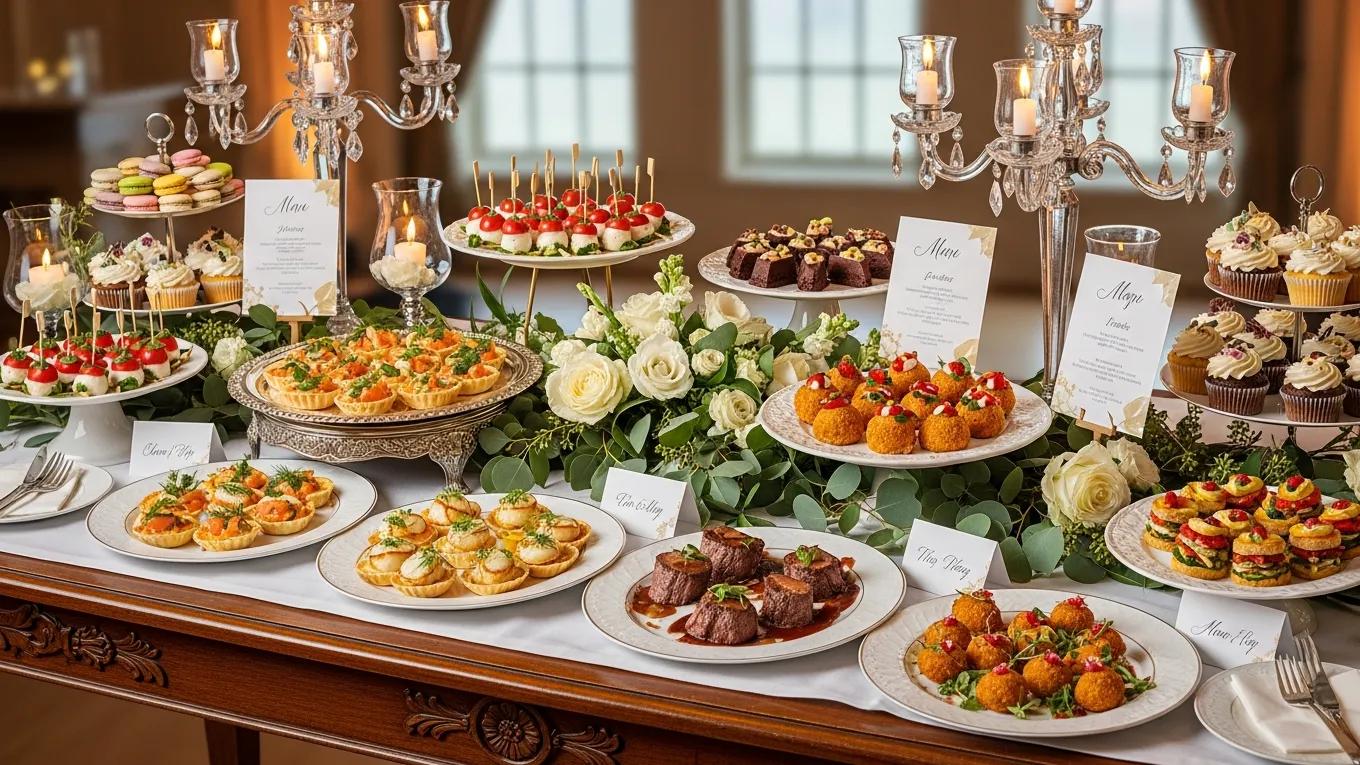


Before the wedding-day whirlwind begins, the rehearsal dinner offers something wonderfully different: a chance to slow down, share a meal, and celebrate with the people closest to you. The food and atmosphere can turn this smaller gathering into one of the most personal moments of the entire wedding weekend.
Rehearsal dinner catering in Metro Atlanta can be tailored to match your story, guest list, venue, and vision, whether that means an elegant plated dinner, relaxed Southern-inspired buffet, or intimate family-style meal. Personalized wedding catering also makes it easier to accommodate dietary needs and create a menu that feels distinct from the reception.
With thoughtful planning, your rehearsal dinner can set a warm, memorable tone for everything still to come.
Rehearsal Dinner Catering Ideas for Metro Atlanta Weddings
What Makes Rehearsal Dinner Catering in Metro Atlanta Distinctive?

A rehearsal dinner has a different job than the wedding reception. It is usually smaller, more conversational, and less structured, giving close family members and friends a chance to spend meaningful time together before the wedding day. That difference should influence everything from the menu and service style to the venue setup.
In Metro Atlanta, couples have access to rehearsal dinner catering that can reflect both the region’s Southern food traditions and its increasingly diverse dining scene. Menus might feature familiar Southern-inspired dishes, seasonal produce, contemporary comfort food, or a combination of flavors that reflects the couple’s background and preferences.
Rather than trying to recreate the reception on a smaller scale, a well-planned rehearsal dinner can have its own identity. The goal might be a relaxed family-style meal, an elegant plated dinner, a backyard gathering, or a cocktail-style evening with small plates. Establishing that atmosphere first makes it easier to choose food and service that fit the occasion.
How Can a Caterer Create a More Personal Rehearsal Dinner?
Personalization is one of the biggest advantages of hosting a smaller pre-wedding event. With fewer guests than a typical reception, couples may have more flexibility to build a menu around foods they genuinely enjoy rather than selecting dishes primarily for broad crowd appeal.
A Delightful Bitefull Catering can work with couples to shape the meal around the event’s guest count, setting, dietary needs, and preferred style of service. That planning might involve adapting a favorite dish for a larger group, creating a menu with Southern influences, or choosing courses that complement the season and venue.
Personalization should also extend beyond the food itself. The pacing of dinner matters when the evening includes welcome remarks, toasts, gifts, or introductions between families. A caterer should understand the schedule so dishes arrive at appropriate times without interrupting important moments.
For couples comparing rehearsal dinner catering options, discussing the full flow of the evening can be just as important as reviewing individual menu items.
Why Consider Seasonal Ingredients for a Metro Atlanta Rehearsal Dinner?
Seasonal ingredients can give a rehearsal dinner menu a stronger sense of time and place. Instead of designing the meal around the same dishes year-round, couples can consider produce and flavors that suit the season of their wedding.
A spring menu, for example, may lean toward lighter vegetables, fresh herbs, and bright flavors, while an autumn dinner might suit richer dishes and seasonal vegetables. Availability naturally varies, so specific ingredients should be confirmed with the caterer during menu planning.
Seasonality can also help create a more cohesive meal. When ingredients complement one another naturally, the menu can feel intentional without requiring elaborate or overly complicated dishes.
Local sourcing is another consideration, but couples should ask caterers what “local” means in practice. Not every ingredient can or should come from nearby farms, and availability changes throughout the year. A caterer that emphasizes local sourcing should be able to explain which ingredients are locally sourced and how seasonal availability affects menu choices.
Which Service Style Works Best for a Rehearsal Dinner?
The right service style depends heavily on the atmosphere couples want to create. A plated meal works well for a more formal dinner and provides predictable pacing.
Family-style service encourages conversation and can reinforce the intimate feeling of the evening. Buffets give guests more freedom to choose portions and dishes, while stations or passed appetizers can suit casual gatherings where mingling is a priority.
Guest count and venue layout matter too. A family-style dinner requires enough table space for serving dishes, while a buffet needs sufficient room to prevent lines from disrupting the event. Plated service may require more staff and coordination.
Couples should therefore discuss service format early in the planning process rather than treating it as an afterthought.
What Should Couples Discuss With a Rehearsal Dinner Caterer?
Before finalizing rehearsal dinner catering, couples should be prepared to discuss guest count, venue requirements, dietary restrictions, service style, event timing, menu preferences, staffing, rentals, and budget.
It is also worth clarifying exactly what the catering proposal includes. Depending on the provider, items such as linens, dinnerware, serving equipment, setup, cleanup, staffing, and gratuities may be handled differently.
The strongest rehearsal dinner plan is not necessarily the most elaborate. It is one in which the food, service, setting, and schedule work together, allowing the evening to feel relaxed and distinct from the larger celebration still to come.
How to Build a Rehearsal Dinner Menu That Feels Personal

A rehearsal dinner menu does not need to compete with the wedding reception. In fact, giving the two events different personalities often makes the entire wedding weekend more memorable. The rehearsal dinner can be warmer, more relaxed, and centered on foods the couple genuinely enjoys.
When planning rehearsal dinner catering, start with the experience you want guests to have rather than immediately choosing individual dishes.
A backyard-style gathering might call for barbecue and family-style sides, while an intimate restaurant-inspired dinner could work better with plated courses. Cocktail-style receptions can use passed appetizers and food stations to keep guests moving and talking.
Guest needs should shape the menu as well. Ask about allergies and dietary restrictions early enough for the caterer to build alternatives into the meal rather than treating them as last-minute substitutions. Vegetarian, vegan, gluten-free, and other dietary options should feel like intentional parts of the menu whenever possible.
Popular Rehearsal Dinner Menu Ideas for Metro Atlanta Weddings
Southern food can be a natural starting point for a Metro Atlanta rehearsal dinner, but couples do not have to build the entire menu around traditional dishes. A few regional influences can provide a sense of place while leaving room for contemporary flavors and personal favorites.
Barbecue is particularly adaptable to a relaxed event. Smoked meats can be paired with sides such as slaw, vegetables, macaroni and cheese, cornbread, or salads. Family-style presentation can make this type of meal feel especially social, since guests share dishes around the table rather than moving through a buffet line.
Shrimp and grits can work as an entrée, smaller portion, or station item depending on the format of the dinner. Other Southern-inspired choices might include roasted or grilled meats, seasonal vegetables, biscuits, deviled eggs, or fruit-based desserts.
Couples can also move beyond Southern cuisine entirely. Italian-inspired family-style dinners, taco stations, Mediterranean menus, or a collection of favorite dishes may be a better fit when they have a personal connection to those foods. The menu should ultimately say something about the hosts rather than simply checking off expected wedding dishes.
How Seasonal Ingredients Can Shape the Menu
Seasonality is most useful when it guides the menu rather than becoming a rigid rule. Ingredients that are readily available at the time of the event can help a caterer create dishes that suit the weather and overall mood of the evening.
Spring and summer rehearsal dinners may work well with fresh salads, grilled vegetables, lighter sauces, fruit-forward desserts, and chilled appetizers. Cooler-weather celebrations can shift toward roasted vegetables, richer sauces, warm sides, and heartier entrées.
Couples interested in locally sourced ingredients should discuss availability directly with their caterer. What’s available from regional farms can change with weather, growing conditions, and the timing of the event, so flexibility is important.
Seasonal ingredients are also not automatically less expensive. Pricing depends on availability, sourcing, quantities, preparation, and the specific ingredient. It is better to ask the caterer which seasonal choices provide the strongest combination of flavor and value than to assume seasonal always means cheaper.
Match the Menu to the Style of Service
The same menu can feel very different depending on how it reaches the table. Service style should therefore be part of menu planning from the beginning.
A plated dinner creates a more formal atmosphere and makes portioning predictable. Family-style service encourages conversation and works naturally with shared entrées and sides.
Buffets provide more choice but require enough room for guests to move comfortably. Food stations can create an interactive experience and work especially well when the menu includes several cuisines or customizable dishes.
For a smaller rehearsal dinner, family-style service can strike a useful balance between polished and relaxed. For a larger guest list, a buffet or stations may make service easier, depending on the venue and staffing plan.
Create a Menu With Variety Without Overloading It
More choices do not necessarily make a better rehearsal dinner. An oversized menu can complicate preparation, slow service, and make the meal feel less cohesive.
Instead, build variety through contrast. Pair a richer entrée with a fresh vegetable side, offer at least one substantial option for guests who do not eat meat, and balance familiar dishes with one or two distinctive choices.
Desserts can follow the same principle. Couples who plan to serve a traditional wedding cake the next day might choose something different for the rehearsal dinner, such as cobbler, pie, cookies, or individual desserts.
Good rehearsal dinner catering brings these decisions together so the food fits the guests, venue, season, service style, and tone of the evening. A menu that feels considered and personal will usually make a stronger impression than one designed simply to offer as many dishes as possible.
How to Choose a Rehearsal Dinner Venue in Metro Atlanta

The best rehearsal dinner venue is not simply the prettiest space available. It needs to support the way you want guests to eat, interact, and move through the evening. A beautiful venue can quickly become frustrating if the caterer has nowhere to prep food, tables are too tightly packed, or the event requires equipment the property does not allow.
Metro Atlanta offers plenty of possibilities for intimate wedding dinners, including private dining rooms, event spaces, historic properties, gardens, private residences, and smaller venues designed specifically for gatherings.
Instead of choosing by appearance alone, couples should evaluate how well each location supports their guest count, preferred service style, and rehearsal dinner catering plan. The venue and menu should be considered together. Doing so early can prevent expensive logistical changes once contracts have been signed.
Match the Venue to the Atmosphere You Want
Start by deciding what you want the evening to feel like. A private dining room can create an intimate, polished experience with minimal setup. A garden or patio may suit a relaxed seasonal dinner, while a historic property can provide more visual character without requiring extensive decorating.
Private homes and vacation properties can also work well for small groups, but they usually require more logistical planning. Catering access, rental furniture, restrooms, parking, trash removal, power, and weather contingencies may all need to be arranged separately.
Guest count matters beyond whether everyone technically fits. An intimate dinner should leave enough room for comfortable seating, conversation, food service, and movement. A venue that holds 50 people on paper may feel crowded once dining tables, catering stations, décor, and serving areas are added.
Check the Catering Facilities Before Booking
A full commercial kitchen is convenient, but it is not essential for every catered rehearsal dinner. What matters is whether the caterer has the facilities needed to execute your specific menu safely and efficiently.
Ask what the venue provides for food preparation and service. Depending on the menu, the catering team may need refrigeration, sinks, electrical outlets, warming equipment, prep tables, staging space, or a separate area for dirty dishes.
Some venues have excellent kitchens but restrict outside caterers. Others provide only a small prep area but allow catering teams to bring equipment. Couples should confirm these policies before signing a venue agreement.
If you’re considering several locations, having your rehearsal dinner catering provider review the practical requirements can help identify potential complications that may not be obvious during a venue tour.
Compare Venue Catering Policies and Hidden Logistics
Catering rules can affect both the menu and the final event budget. Ask whether the venue has a preferred or exclusive caterer list, whether outside catering is permitted, and what documentation outside vendors must provide.
It is also worth clarifying what the rental fee actually includes. Tables, chairs, linens, dinnerware, glassware, cleanup, security, and event staff may be included at one venue and separate expenses at another.
Alcohol policies deserve particular attention. Some venues provide bar service themselves, while others allow approved vendors or require specific permits and insurance. Couples planning beer, wine, cocktails, or a champagne toast should understand those requirements early.
Think About Guest Experience Beyond the Dining Room
Venue selection also affects how easily guests can participate in the evening. Rehearsal dinners often include parents, grandparents, out-of-town guests, and members of the wedding party who may be unfamiliar with Metro Atlanta.
Consider parking availability, rideshare access, entrances, stairs, restrooms, and accessibility needs. If many guests are staying at the same hotel, choosing a venue reasonably close to their accommodations can simplify transportation after a long rehearsal day.
Outdoor venues need another layer of planning. Rain is not the only concern. Heat, cold, wind, lighting, insects, and uneven surfaces can all affect guest comfort and food service. Confirm whether the property provides an indoor alternative or allows tents and other weather accommodations.
Coordinate the Caterer and Venue Before Finalizing the Plan
Once a venue is selected, the caterer should have clear information about load-in times, kitchen or prep access, equipment restrictions, service entrances, cleanup requirements, and the event schedule.
A walkthrough can be useful for more complex setups. It allows the catering team to determine where food will be prepared, staged, served, and cleared while identifying potential bottlenecks before the event.
Strong rehearsal dinner catering depends on more than the menu. When the venue supports the caterer’s workflow, guest needs, and desired service style, the evening is much more likely to feel effortless rather than heavily coordinated.
Why Small Event Catering Works Well for Rehearsal Dinners
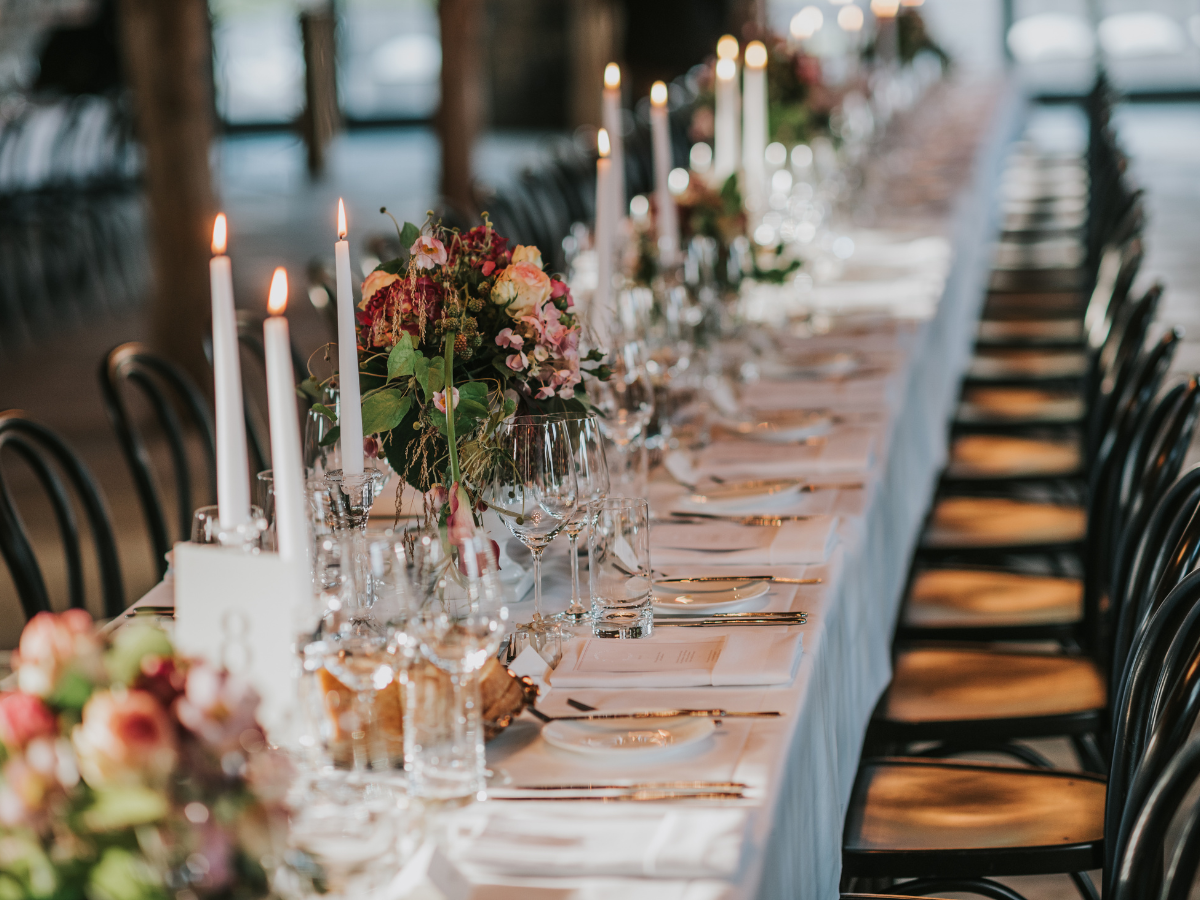
A rehearsal dinner usually calls for a different approach than a large wedding reception. With a smaller guest list, the focus often shifts from managing a crowd to creating an evening where people can eat comfortably, talk, give toasts, and spend time together before the wedding day.
Small event catering can support that atmosphere because the menu, service style, and pacing can be planned around a more intimate group. Instead of simply scaling down a wedding reception package, couples can build an experience specifically for the rehearsal dinner.
In Metro Atlanta, this flexibility can be especially useful for dinners held at private homes, gardens, smaller event spaces, or venues that do not operate like traditional banquet halls. The right rehearsal dinner catering plan can adapt to the location while still providing organized food preparation and service.
More Flexibility With Menu Planning
Smaller events can make it easier to create a focused menu around the couple’s preferences. Rather than offering a large selection designed to satisfy hundreds of guests, the caterer can concentrate on a smaller number of dishes that work well together.
That might mean serving a Southern-inspired family-style dinner, creating a seasonal menu, incorporating a favorite family dish, or offering several small plates for a cocktail-style gathering. Couples can also discuss dietary needs early in the planning process so vegetarian, vegan, gluten-free, allergy-conscious, or other necessary options are incorporated thoughtfully.
Customization does not have to mean an elaborate menu. Sometimes personalization is as simple as choosing foods with personal significance or adjusting the meal to match the season and setting.
Service Can Be Matched to the Mood of the Evening
One advantage of small event catering is the ability to choose a service format based on how guests will actually use the space.
A plated meal can create a polished, traditional dinner with clearly defined courses. Family-style service makes sharing food part of the experience and can encourage conversation around the table. Buffets provide flexibility for guests with different appetites, while stations and passed appetizers can work well for an evening built around mingling.
The caterer should also consider the timing of toasts, speeches, gifts, or other rehearsal dinner traditions. For example, clearing plates during a parent’s toast can become distracting, while poorly timed food service can leave guests waiting between important moments. Thoughtful pacing helps the meal become part of the evening rather than competing with it.
Smaller Guest Counts Can Allow More Attention to Detail
An intimate guest list creates opportunities to focus on details that might be harder to manage at a much larger event.
This can include how individual dishes are presented, where serving stations are positioned, how dietary meals are delivered, or when each course reaches the table. Staffing can also be planned around the specific service requirements of the dinner instead of relying on a one-size-fits-all format.
That does not necessarily mean smaller events require less planning. Private residences and unconventional venues, for example, may require additional coordination for equipment, rentals, food preparation areas, power, water access, and cleanup. A small guest count simplifies some aspects of catering while making logistical planning particularly important in others.
Boutique Catering Is About Fit, Not Simply Exclusivity
The term “boutique catering” is sometimes associated with premium ingredients or elaborate presentation, but the more useful distinction is customization. A boutique-style caterer typically builds the service around the individual event instead of offering only standardized packages.
For rehearsal dinner catering, that approach can be valuable when couples want the evening to feel distinct from the wedding reception. The rehearsal dinner might be casual even when the wedding is formal, or it might feature family-style comfort food when the reception menu is more traditional.
Couples comparing caterers should look beyond presentation and ask practical questions about menu flexibility, staffing, rentals, setup, cleanup, dietary accommodations, and venue requirements.
When Small Event Catering Is the Right Choice
Small event catering is particularly well suited to rehearsal dinners where conversation, personalization, and flexibility matter more than large-scale production.
The strongest catering plan is one that fits the event rather than making the event fit a predetermined package. For an intimate Metro Atlanta rehearsal dinner, that means considering how the guests, venue, menu, service style, and schedule work together.
When those elements are coordinated thoughtfully, the dinner can feel polished without losing the relaxed, personal quality that makes the evening different from the wedding celebration itself.
How to Plan an Intimate Rehearsal Dinner in Metro Atlanta

A rehearsal dinner often falls at a tricky point in the wedding schedule. Everyone has finished the ceremony rehearsal, relatives may have just arrived in town, and the wedding party is preparing for a much larger celebration the following day. Good planning should make this evening feel easy rather than like another full-scale wedding event.
The best place to start is with the purpose of the dinner. Decide whether you want a quiet meal for immediate family and the wedding party, a larger welcome-style gathering, or something in between. That decision will shape the guest list, venue, schedule, and rehearsal dinner catering requirements.
From there, work backward from the wedding-day logistics. Consider where the rehearsal takes place, where guests are staying, how far they will need to travel, and what time everyone needs to finish for the night. Convenience matters more than couples sometimes expect, especially when guests have already traveled or have an early start the next morning.
Build the Guest List Before Making Major Decisions
The guest list affects almost every other part of the evening, so establish a realistic head count before committing to a venue or service format.
Traditionally, the wedding party and immediate family are commonly included, but there is no universal rule about who must attend. Some couples invite officiants, readers, close relatives, or out-of-town guests, while others keep the dinner intentionally small.
Once you have an estimated count, look at venues based on how comfortably they accommodate that group. Avoid choosing solely by maximum capacity. A room should still have enough space for dining, catering service, speeches, and guests to move comfortably.
Create a Timeline Around the Rehearsal
Instead of treating dinner as a separate event, build the schedule around what happens immediately beforehand.
Allow enough travel time between the ceremony rehearsal and dinner venue, particularly when guests will be driving through Metro Atlanta. Build in a short arrival period so a delayed rehearsal does not immediately throw dinner service off schedule.
Then identify the moments that need space during the meal. Welcome remarks, parent speeches, wedding-party gifts, introductions, or informal toasts can affect when courses should be served and cleared.
Share this timeline with your rehearsal dinner catering team. A caterer who knows that several speeches are planned between the entrée and dessert can pace service accordingly.
Choose a Service Style That Fits the Evening
The service format should match both the venue and the social atmosphere you want.
Plated dinners offer structured pacing and suit more formal celebrations. Family-style meals create a communal atmosphere and encourage interaction around the table. Buffets can provide flexibility for larger groups, while stations and passed appetizers work well when the evening is designed around mingling.
Think practically, too. Family-style meals need sufficient table space for serving platters. Buffets require room for guests to form lines without blocking walkways. Plated dinners generally require appropriate staffing and staging areas.
Choosing the service format before finalizing the menu can prevent logistical problems later.
Add Southern Influence Without Turning It Into a Theme
Southern-inspired food can give a Metro Atlanta rehearsal dinner a sense of place without requiring every dish to be traditionally Southern.
Rather than automatically building a menu around fried chicken, collard greens, and pecan pie, choose elements that fit the season and style of the dinner. A summer menu might feature grilled proteins, seasonal vegetables, fresh salads, biscuits, or fruit-based desserts. Cooler-weather menus can incorporate braised meats, roasted vegetables, richer sides, or warm desserts.
Southern influence can also come through preparation and hospitality rather than a checklist of recognizable dishes. Family-style serving, locally available ingredients, and familiar comfort foods can create regional character while leaving room for the couple’s own preferences.
Keep Décor Secondary to Comfort and Conversation
An intimate rehearsal dinner rarely needs the same decorative investment as a wedding reception. Concentrate first on the elements guests will actually experience: comfortable seating, appropriate lighting, manageable noise levels, and tables arranged for conversation.
Flowers, candles, linens, menus, or simple personal details can establish the mood without filling every surface. If the venue already has strong architectural or natural character, minimal décor may be enough.
The same principle applies to the overall schedule. Avoid packing the evening with activities simply because there is available time. A rehearsal dinner works particularly well when guests have room to eat, talk, give a few meaningful toasts, and enjoy one another’s company.
Thoughtful rehearsal dinner catering, a manageable timeline, and a comfortable setting can do more for the evening than an elaborate itinerary. The goal is to create a gathering that feels complete on its own while leaving everyone ready to enjoy the wedding day ahead.
How to Use Customer Reviews When Choosing a Rehearsal Dinner Caterer
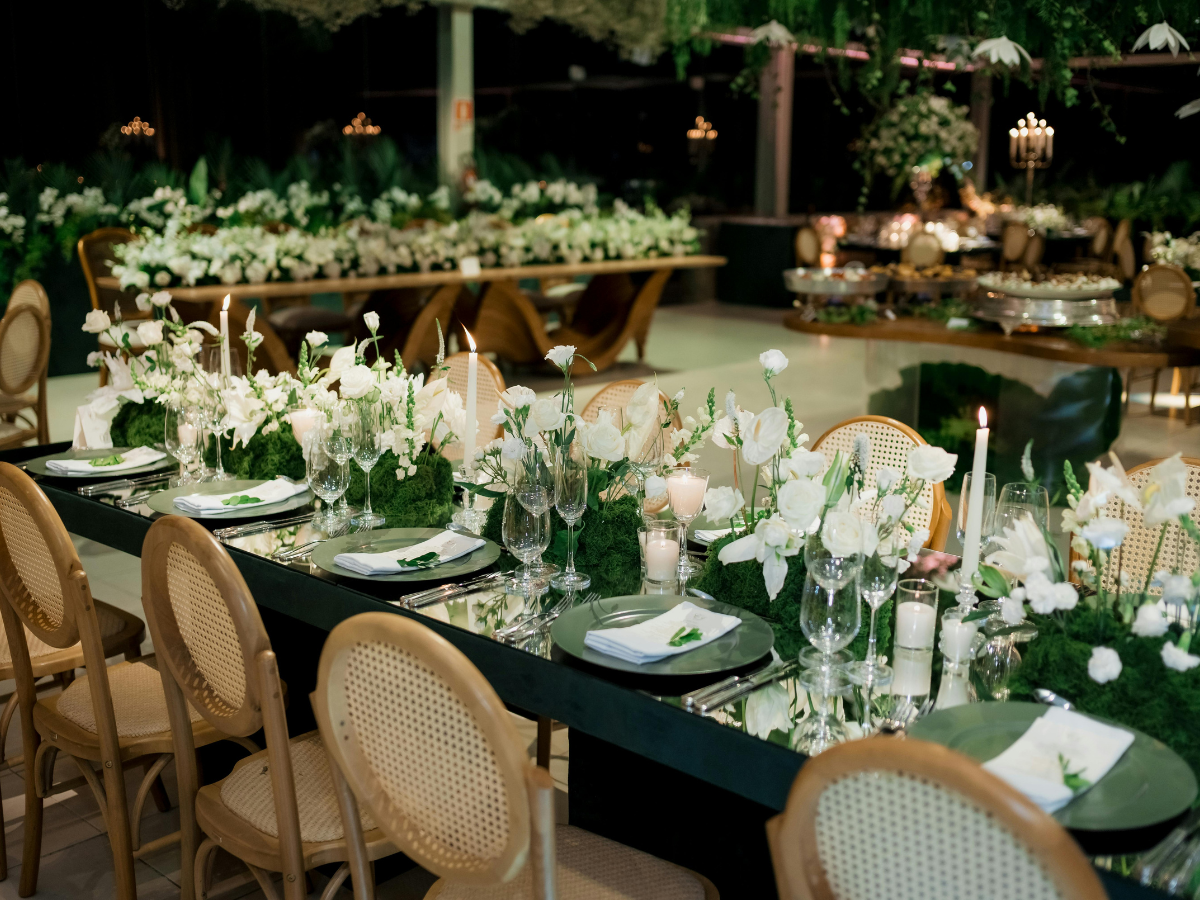
Customer reviews can be useful when comparing rehearsal dinner catering providers in Metro Atlanta, but a high star rating alone does not tell you whether a caterer is right for your event. The most valuable reviews provide specific details about the food, communication, service, timing, and how the catering team handled the realities of the event.
For a rehearsal dinner, those details matter because the experience is often more intimate than a wedding reception. Couples may be coordinating a smaller venue, family-style service, dietary accommodations, speeches, or a schedule that begins immediately after the ceremony rehearsal.
Reviews from customers who hosted similar events can therefore be more informative than general praise. Rather than asking whether previous customers simply “liked” a caterer, look for evidence that the company can deliver the type of experience you are planning.
Look for Reviews From Events Similar to Yours
A caterer may perform well at large weddings but have less experience with private dinners, backyard events, or smaller venues. When reading testimonials, pay attention to the type and size of event being described.
If you’re planning dinner for a relatively small group, reviews mentioning intimate weddings, rehearsal dinners, private parties, or family celebrations may offer more relevant insight. Look for details about whether food arrived or was served on time, whether staff worked well within the venue, and whether the service felt appropriate for the size of the gathering.
The same applies to service style. Couples planning a plated meal will benefit from reviews discussing pacing and table service, while those considering a buffet or stations should look for comments about setup, replenishment, and organization.
Pay Attention to Specifics About Food Quality
Statements such as “the food was amazing” are encouraging, but detailed feedback is more useful.
Look for reviewers who mention particular dishes, food temperature, presentation, portioning, or how well the menu worked for their group. Consistent comments about the same strengths across multiple reviews can provide a clearer picture than one enthusiastic testimonial.
Couples interested in seasonal or locally sourced menus should also look for evidence supporting those claims. If a catering company promotes local sourcing, ask which ingredients are typically sourced locally and how availability changes throughout the year rather than assuming every ingredient comes from nearby producers.
For a company such as A Delightful Bitefull Catering, reviews can be one part of evaluating the overall experience, but they should be considered alongside current menus, consultations, policies, and direct conversations with the catering team.
Use Reviews to Evaluate Communication and Reliability
Food is only one part of rehearsal dinner catering. A caterer also has to coordinate with the venue, respond to questions, understand dietary requirements, arrive at the appropriate time, and execute service according to the event schedule.
This makes comments about communication particularly valuable. Look for patterns involving responsiveness before the event, clarity during planning, punctuality, organization, and professionalism from staff.
Pay attention to how reviewers describe unexpected problems, too. Events rarely unfold with absolute perfection. Weather changes, guest counts shift, timelines run late, and venue restrictions can create last-minute complications.
A review explaining how the catering team responded to an unexpected issue may tell you more than one describing an event where everything went exactly as planned.
Read Critical Reviews for Context
Negative reviews should not automatically eliminate a caterer from consideration. Instead, examine what went wrong and whether the same complaint appears repeatedly.
One isolated concern may reflect unusual circumstances or mismatched expectations. Multiple customers mentioning late arrival, unclear pricing, communication problems, or inconsistent service deserve closer attention.
When possible, also consider how the business responded. A professional, specific response that addresses the customer’s concern can reveal something about how the company handles problems.
Verify What Reviews Cannot Tell You
Even excellent reviews cannot confirm whether a caterer is the right fit for your particular rehearsal dinner.
Before booking, discuss your guest count, menu preferences, dietary needs, service style, venue requirements, staffing, rentals, setup, cleanup, and pricing. Ask what is included in the proposal and what could result in additional charges.
Customer feedback is most valuable when it helps you ask better questions. Reviews can reveal patterns and provide useful context, but choosing rehearsal dinner catering ultimately requires comparing those experiences with your own event’s needs, budget, and expectations.
How to Choose the Right Rehearsal Dinner Caterer in Metro Atlanta
Choosing a caterer for a rehearsal dinner involves more than comparing menus and prices. The right provider needs to match your guest count, venue, preferred service style, dietary requirements, and the atmosphere you want for the evening. Since rehearsal dinners often happen on a tight wedding-weekend schedule, reliability and coordination matter just as much as the food.
When comparing rehearsal dinner catering in Metro Atlanta, start with the practical details. Confirm that the caterer serves your venue or neighborhood, handles events of your size, and can provide the level of service you need. Some couples want a fully staffed plated dinner, while others prefer family-style dining, a buffet, or a more casual drop-off meal.
Narrowing those requirements early makes it easier to compare caterers on what they will actually provide rather than choosing based on menu photos or pricing alone.
Compare Catering Packages by What Is Actually Included
Two catering proposals with similar per-person prices may cover very different services. Before comparing costs, find out exactly what each quote includes.
Ask whether pricing covers food preparation, delivery, setup, serving staff, cleanup, serving equipment, linens, tableware, beverages, gratuities, and other service charges. Rentals may be included in one proposal and billed separately in another. Venue access requirements, travel distance, staffing levels, and service duration can also affect the final price.
Instead of asking only, “What does catering cost per person?” request an itemized estimate based on your expected guest count and event format. This provides a more realistic picture of the total catering budget and makes side-by-side comparisons easier.
Also review minimum guest counts, deposits, cancellation policies, final headcount deadlines, and overtime charges before signing a contract.
Evaluate Menu Flexibility and Dietary Accommodations
A strong rehearsal dinner menu should work for the group as a whole without making guests with dietary restrictions feel like an afterthought.
Ask potential caterers how they handle vegetarian, vegan, gluten-free, allergy-aware, or other requested meals. If cross-contact is a concern for a guest with a food allergy, discuss the caterer’s preparation practices directly rather than assuming a menu label guarantees an allergen-free dish.
Customization can also involve the overall character of the meal. For example, couples might want Southern-inspired dishes alongside lighter seasonal options, incorporate family favorites, or create a menu that complements rather than repeats the wedding reception meal.
When reviewing rehearsal dinner catering options, ask which parts of the menu can be customized and which are tied to predetermined packages.
Match the Service Style to the Dinner You Want
The way food is served has a major effect on both atmosphere and logistics.
A plated dinner can create a more formal experience but typically requires more coordination and service staff. Family-style meals encourage conversation and can suit an intimate gathering, although table size and serving space need to be considered.
Buffets offer guests more choice and can work well for mixed preferences, but the room needs enough space for a comfortable serving flow.
For a relaxed event, stations or drop-off catering may also be appropriate. The best option depends on your venue, guest count, timeline, and desired level of formality rather than one service style being universally better.
Ask About Experience With Your Type of Venue
Catering logistics change considerably between restaurants, private homes, outdoor spaces, event venues, and rental properties.
Before booking, confirm what facilities are available at the venue. A caterer may need access to refrigeration, power, water, food preparation space, loading areas, or a staging room. If the venue lacks a full kitchen, ask how the team plans to keep hot foods hot and cold foods properly chilled throughout preparation and service.
An experienced caterer should be able to explain what they need from the venue and identify potential logistical problems before the event.
Use Tastings and Consultations to Make the Final Decision
A tasting provides information that a menu description cannot. Beyond flavor, pay attention to portion size, presentation, ingredient quality, and whether the dishes work together as a complete meal.
The consultation is equally revealing. Notice whether the caterer asks detailed questions about your event, explains costs clearly, responds thoughtfully to dietary concerns, and provides realistic recommendations rather than simply agreeing to every request.
Reviews can help you create a shortlist, but your final decision should combine reputation with direct evaluation. The best rehearsal dinner catering provider is one that can deliver the food, service, logistics, and level of flexibility your particular event requires.
How Rehearsal Dinner Catering Is Changing for Metro Atlanta Couples
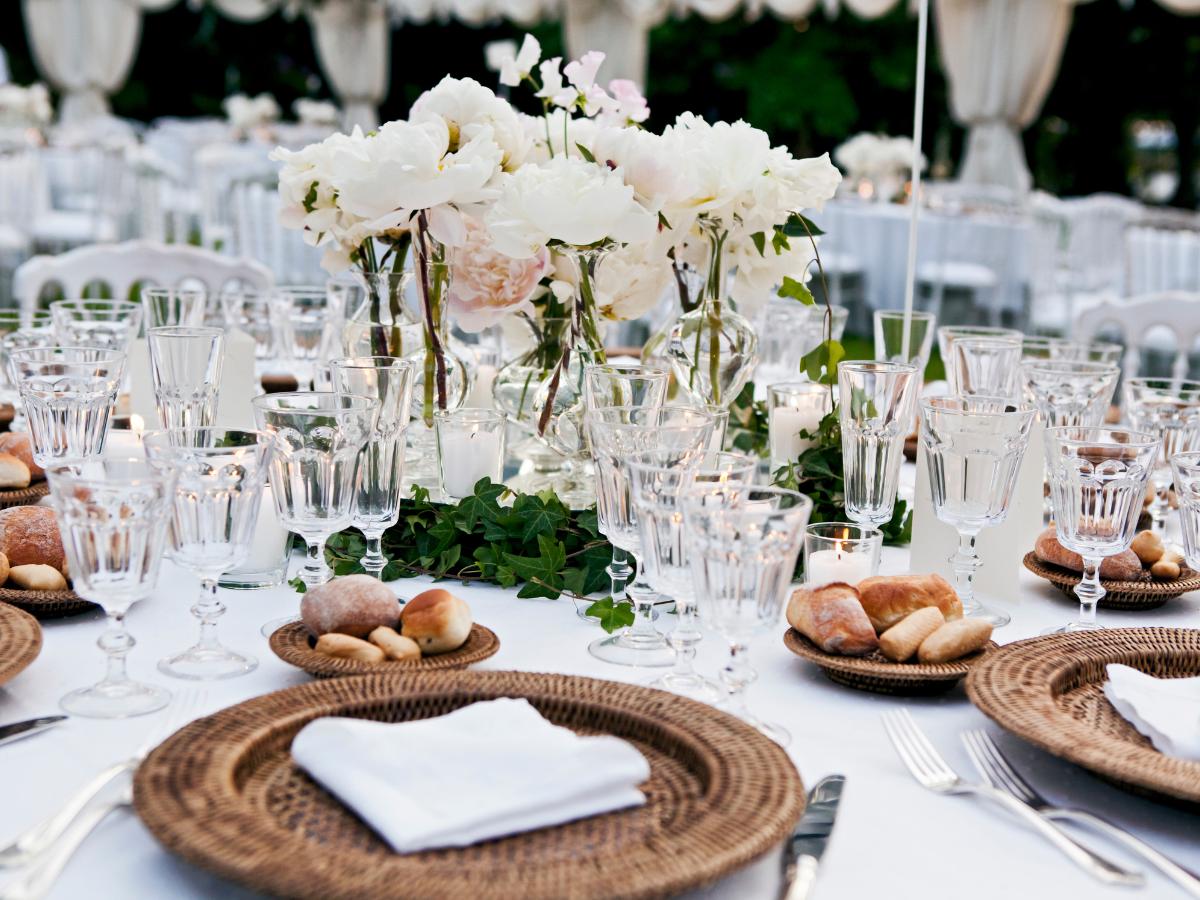
Rehearsal dinners are becoming less formulaic. Rather than treating the evening as a smaller version of the wedding reception, many couples are using it to create a distinct experience with its own menu, atmosphere, and style of service.
For rehearsal dinner catering in Metro Atlanta, that can mean anything from an intimate family-style Southern meal to a cocktail-style gathering with small plates or a chef-led dinner built around seasonal ingredients.
The common thread is flexibility. Couples are looking for formats that encourage conversation and feel appropriate for a smaller group, rather than automatically choosing a traditional plated meal.
This shift also makes the rehearsal dinner an opportunity to do something that would be difficult with a larger wedding guest list. A more limited group can make customized menus, shared courses, interactive service, and specialty dishes easier to execute.
Seasonal Menus Are Replacing One-Size-Fits-All Packages
Seasonality has become a useful way to build a menu that feels intentional without making it overly complicated. Instead of selecting dishes from a fixed menu regardless of the event date, couples can work with caterers to incorporate ingredients that are readily available during that part of the year.
In Georgia, that might mean menus featuring fresh tomatoes, peaches, corn, or other warm-weather produce during summer, while cooler-season dinners can lean toward roasted vegetables, greens, soups, and heartier entrées.
Seasonal planning does not require every ingredient to come from a nearby farm. A more practical approach is to ask the caterer which dishes can take advantage of ingredients that are fresh and readily available at the time of the event. This can create a stronger menu while leaving enough flexibility for dietary needs, budget, and guest preferences.
Sustainability Is Moving Beyond the Menu
Sustainable rehearsal dinner catering is not limited to choosing local ingredients or adding a plant-based entrée. Couples can also consider how food is ordered, served, and handled after the event.
Accurate guest counts can reduce unnecessary food preparation. Reusable or washable serving ware may reduce reliance on disposables when the venue and service format allow it. Buffet and family-style quantities can be planned around the size of the group rather than simply preparing large amounts of every dish.
Couples interested in sustainability should ask caterers specific questions rather than relying on broad terms such as “green” or “eco-friendly.” Find out how the company sources ingredients, handles leftovers, manages disposable service items, and plans portions. Concrete practices are more useful than marketing labels.
Interactive Dining Is Becoming More Refined
Interactive food stations remain popular, but they do not have to resemble a casual build-your-own buffet. Caterers can use stations strategically to give guests choices while maintaining the feel of a polished private dinner.
For example, a chef-attended carving station, pasta station, small-plate service, or thoughtfully designed dessert display can give guests a reason to move around and mingle. Stations can be particularly effective when the evening is intended to feel social rather than highly structured.
The format needs to suit the venue, however. Interactive service requires enough room for guests to move comfortably and may require additional staff, equipment, power, or preparation space. Couples should discuss these logistics before choosing a station-based menu.
Family-Style Service Fits the Intimate Nature of Rehearsal Dinners
Family-style dining has particular appeal for rehearsal dinners because it naturally supports conversation. Large dishes are brought to the table and shared among guests, combining some of the structure of a seated dinner with the relaxed atmosphere of a gathering at home.
It can also work well with Southern-inspired menus featuring shareable entrées and sides. The tradeoff is that tables need enough space for serving dishes alongside place settings, glassware, centerpieces, and other décor.
A caterer should review the table layout before the event rather than treating service style as a menu decision alone.
Couples Are Treating the Rehearsal Dinner as Its Own Event
One of the most useful shifts in rehearsal dinner planning is greater differentiation from the wedding reception. If the wedding dinner will be formal and plated, the night before might feature shared dishes or a relaxed buffet. If the reception menu is contemporary, the rehearsal dinner might highlight familiar family recipes or regional Southern flavors.
This approach prevents the two events from feeling repetitive and gives guests a different experience on each day.
Current rehearsal dinner catering trends ultimately point toward personalization rather than one particular cuisine or service format. The strongest menus are not necessarily the most elaborate. They are the ones that fit the guest list, venue, season, budget, and tone the couple wants for the evening.
Conclusion
A thoughtfully catered rehearsal dinner sets the tone for the wedding celebrations ahead, giving couples and their loved ones a chance to relax, connect, and enjoy a memorable meal together.
From personalized menus and beautiful presentation to professional service that keeps the evening running smoothly, the right catering team can make the occasion feel uniquely yours without adding more stress to your wedding plans.
For delicious food and personalized rehearsal dinner catering throughout Metro Atlanta, choose A Delightful Bitefull Catering. If you’re ready to plan a rehearsal dinner your guests will remember, call (770) 565-4146 to speak with the team at A Delightful Bitefull Catering and get your event catered today.