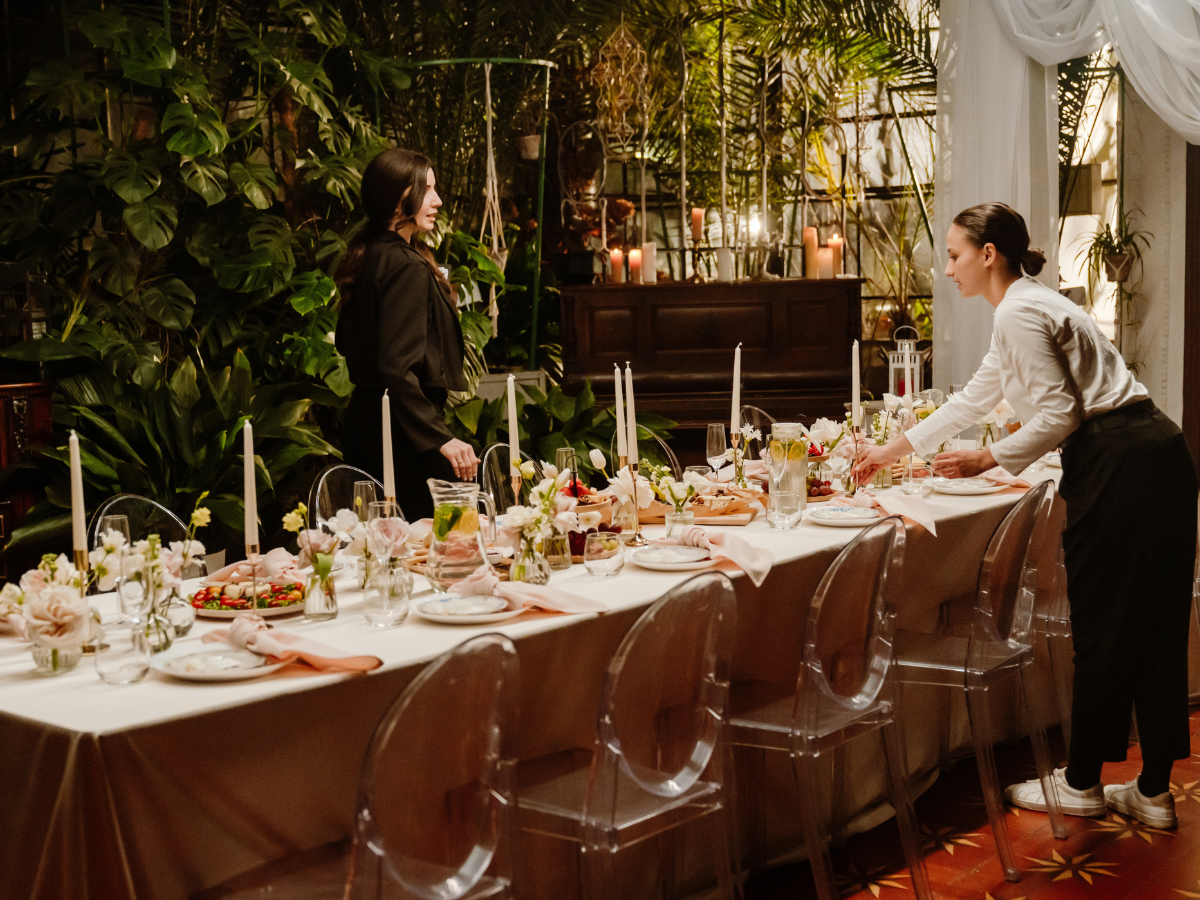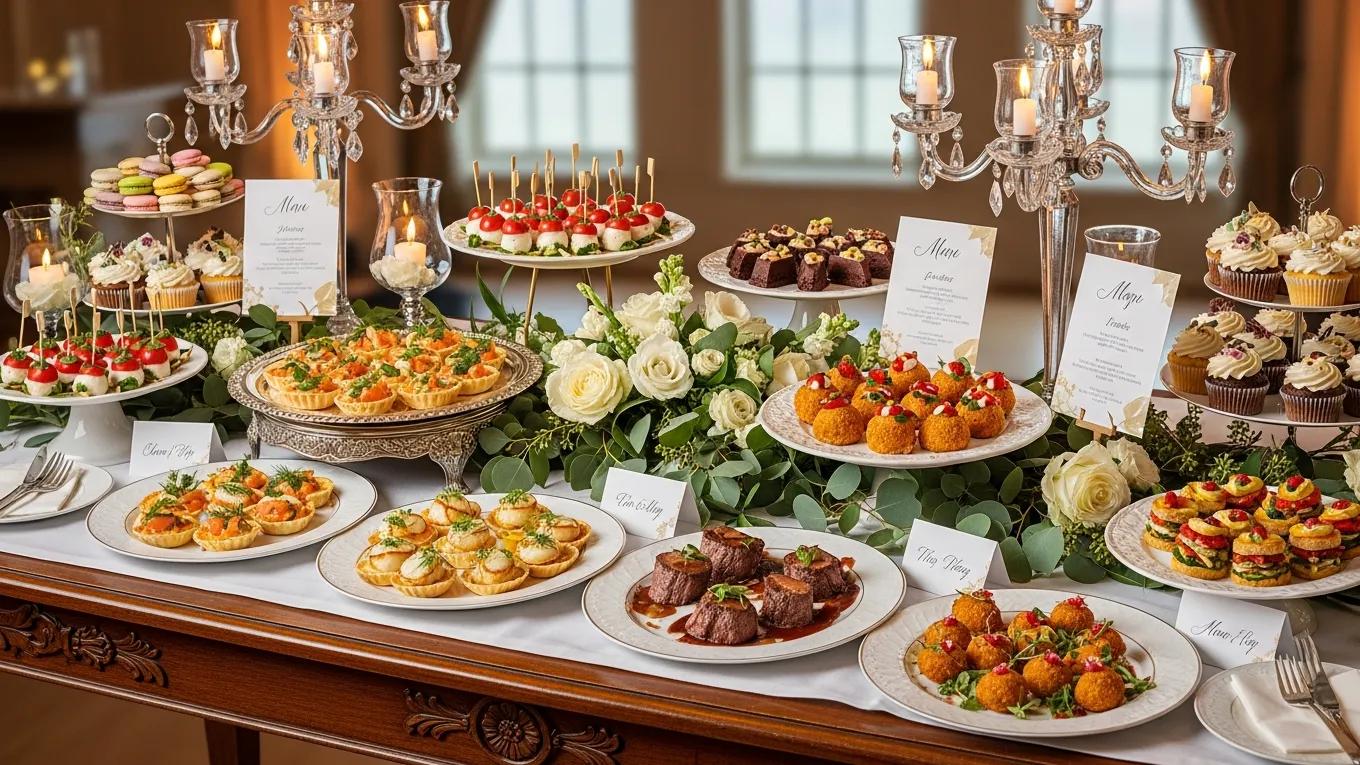

Vegetarian catering has moved far beyond the predictable side salad and plate of grilled vegetables. With the right menu, plant-forward dishes can deliver bold flavors, beautiful presentation, and enough variety to impress devoted vegetarians and meat-eaters at the same table.
For hosts planning Atlanta weddings, corporate gatherings, private parties, and special celebrations, vegetarian catering ideas can draw inspiration from Southern favorites, Mediterranean spreads, globally inspired small plates, seasonal produce, and creative entrées.
The key is building a balanced menu where vegetarian dishes feel intentional rather than like substitutions added at the last minute. From colorful appetizers and interactive food stations to satisfying main courses and desserts, thoughtful vegetarian catering can create a memorable Atlanta event where every guest has something genuinely exciting to eat.
How to Choose Vegetarian Catering Your Guests Will Love
What Vegetarian and Vegan Catering Options Are Available in Atlanta?

Vegetarian catering can work for far more than a small group of guests with specific dietary preferences. A well-planned plant-based menu can support weddings, corporate lunches, showers, private parties, and other events while giving everyone at the table something substantial to eat.
The strongest menus go beyond offering a single meat-free entrée. They consider variety, texture, protein, presentation, service style, and whether vegetarian and vegan guests can enjoy a complete meal rather than assembling dinner from side dishes.
Build the Menu Around Complete Meals, Not Just Meatless Substitutes
A vegetarian menu should feel intentional from the first appetizer to the final course. Instead of simply removing meat from familiar dishes, look for combinations that naturally work as plant-based meals.
Grilled vegetables, mushrooms, legumes, grains, cheeses, fresh herbs, roasted vegetables, pasta, flatbreads, salads, and composed vegetable entrées can all provide enough variety to create a satisfying menu.
A Delightful Bitefull Catering’s current menus include vegetarian options such as portobello mushroom, eggplant and basil, grilled vegetable and roasted red pepper sandwiches, veggie and hummus wraps, grilled vegetable flatbreads, stuffed portobello mushrooms, and eggplant Parmesan.
Vegan suitability should still be confirmed separately because vegetarian dishes may contain cheese, dairy, eggs, or other animal-derived ingredients.
Offer Enough Variety Across the Meal
Variety matters more than simply increasing the number of dishes. A buffet with five similar salads may technically provide several vegetarian choices but still leave guests without a substantial entrée. A more balanced vegetarian catering menu might include:
- One or two substantial entrées
- A grain, pasta, or potato component
- Cooked vegetables
- Fresh salads
- Appetizers or small bites
- Appropriate sauces and dressings
- A dessert option that matches dietary requirements
Think about contrast too. A menu becomes more interesting when crisp, creamy, roasted, fresh, spicy, savory, and bright elements appear across different dishes.
Thoughtful food styling for events can also help plant-based menus feel visually complete rather than secondary to the rest of the buffet.
Distinguish Vegetarian, Vegan, and Other Dietary Needs
Vegetarian and vegan are not interchangeable. Vegetarian dishes may include dairy products, eggs, or both, while vegan dishes exclude animal-derived ingredients. Guests may also have gluten, nut, soy, sesame, or other allergy concerns that require separate planning.
Ask guests about dietary needs early enough for the caterer to respond appropriately. The goal is not simply to label more dishes. It is to understand ingredients, preparation methods, and whether cross-contact matters for a particular guest. For larger events, clear menu labels can make service easier and reduce the number of questions guests need to ask at the buffet.
Match the Menu to the Service Style
The same vegetarian dishes do not work equally well for every type of event. Buffets give guests flexibility and make it easier to offer several plant-based choices. Plated dinners require more deliberate entrée planning because each guest receives a predetermined meal. Boxed lunches need foods that travel well and remain appealing after transport.
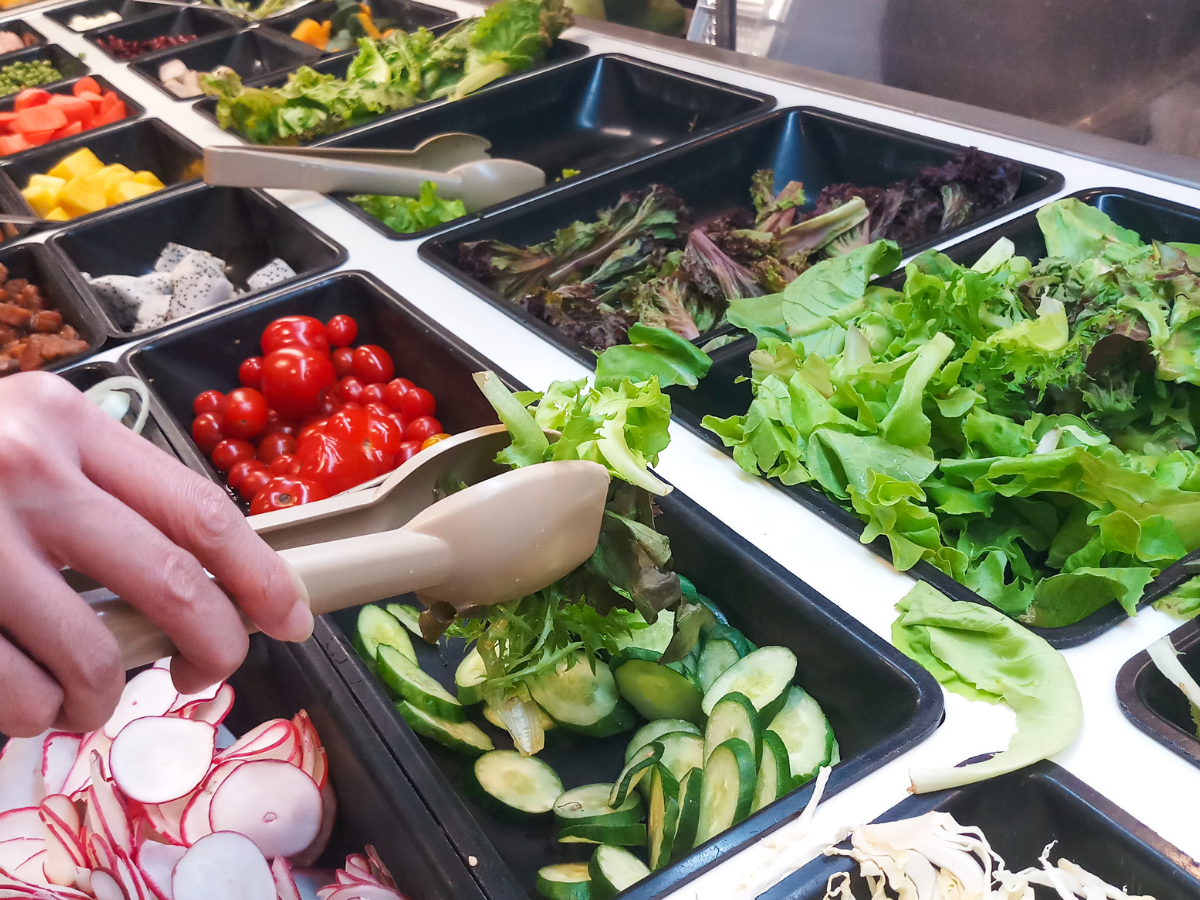
Food stations can work particularly well when guests can build their own plates from vegetables, grains, sauces, toppings, and proteins. This approach can accommodate different preferences without making the vegetarian option feel like an isolated special meal. Whatever service format you choose, make sure plant-based guests can move through the event as easily as everyone else.
Ask How Much Menu Customization Is Available
Not every catering menu needs to be accepted exactly as written. Customization becomes particularly useful when several guests have overlapping dietary requirements or when the event host wants plant-based food to play a larger role in the menu.
Ask whether entrées can be modified, whether vegan versions of vegetarian dishes are possible, and whether sauces or garnishes can be served separately. It is also worth asking when final menu choices and dietary counts are due.
Bitefull’s current catering policies state that final menu selections are due two weeks before the event, making early dietary planning especially useful.
Evaluate the Caterer on More Than Menu Size
A long menu does not necessarily mean a caterer is well suited to vegetarian or vegan events.
When comparing providers, ask how they handle plant-based meals in practice:
- Are vegetarian and vegan options clearly distinguished?
- Can they create a complete plant-based meal rather than relying on side dishes?
- How are allergies and dietary restrictions communicated to the kitchen and service staff?
- Can menu items be customized?
- Does the service format work for the number of vegetarian or vegan guests attending?
- Are dietary dishes labeled clearly during service?
- Are additional fees or minimum quantities associated with specialty meals?
These questions reveal much more than simply asking whether vegetarian options are “available.”
Plan for Mixed-Diet Events Without Creating Separate Experiences
Many Atlanta events include a mixture of omnivorous, vegetarian, and vegan guests. In that situation, vegetarian catering does not need to become an entirely separate menu. Shared dishes can often serve several groups, while a smaller number of carefully chosen entrées address more specific needs.
For example, roasted vegetables, grain salads, hummus, fruit, breads, and many salads can form part of the general menu rather than being placed on a separate “vegetarian” table. A vegan entrée can then complement those shared dishes. This approach often feels more inclusive and creates a more cohesive meal for everyone attending.
The best plant-based event menus are not defined by how many meat substitutes they contain. They succeed because the dishes are varied, satisfying, clearly identified, and planned with the same care as every other part of the event.
Whether vegetarian catering is the focus of the entire menu or one component of a mixed-diet celebration, early planning gives guests better choices and makes service considerably smoother.
How Can Vegetarian Catering Work for Corporate Events and Weddings?

Vegetarian catering needs to work differently depending on the event. A corporate lunch may prioritize convenience, easy serving, and clearly identified dietary choices, while a wedding menu has to account for several courses, presentation, venue logistics, and a longer dining experience.
In both settings, the goal should be the same: vegetarian and vegan guests should receive complete, appealing meals rather than a collection of side dishes assembled as an afterthought.
Plan Corporate Menus Around Convenience and Variety
Corporate events often have tighter schedules than social gatherings. Guests may be eating during a meeting, moving between sessions, or returning to work immediately afterward, so menu format matters almost as much as the food itself.
For office lunches and meetings, practical options can include boxed lunches, sandwiches and wraps, buffet-style meals, or individually portioned dishes. Bitefull’s current corporate lunch menu includes vegetarian choices such as portobello mushroom, eggplant and basil, grilled vegetables, roasted red pepper, veggie wraps, hummus wraps, and grilled vegetable flatbreads.
For an event with both vegetarian and non-vegetarian attendees, there is rarely a need to create two completely separate menus. Shared salads, vegetables, breads, grains, and accompaniments can create a common foundation, with appropriate entrées added for different dietary preferences.
The company’s corporate event catering is designed for occasions such as work lunches, client meetings, and other business gatherings, making the service format worth considering alongside the menu itself.
Confirm Vegan Choices Instead of Assuming Vegetarian Dishes Qualify
One of the easiest catering mistakes is treating “vegetarian” and “vegan” as interchangeable. A vegetable sandwich may contain cheese. Pasta can include eggs or dairy. Dressings, sauces, breads, desserts, and even seemingly simple side dishes may contain animal-derived ingredients.
If vegan guests will attend a corporate function, ask the caterer to identify which dishes are already vegan and which can be modified. The same principle applies to gluten-free meals and food allergies. Dietary categories should be confirmed individually rather than inferred from the name of a dish.
For workplace events, collecting dietary information before the final headcount can prevent last-minute substitutions and make ordering considerably easier.
Build Wedding Menus Across the Entire Meal
Wedding vegetarian catering requires a broader view because guests may encounter food several times throughout the celebration.
Consider the full progression:
- Cocktail-hour appetizers
- Salads or starters
- Main courses
- Side dishes
- Late-night snacks, if planned
- Desserts
A vegetarian guest should not have plenty to eat during cocktail hour and then receive an underwhelming entrée at dinner. Likewise, vegan planning should extend beyond the main course to sauces, accompaniments, breads, and desserts.
Mixed-diet weddings can often use plant-based dishes throughout the general menu rather than isolating them as specialty food. A roasted vegetable appetizer, seasonal salad, grain-based side, or vegetable-forward accompaniment can appeal to the entire guest list while making the menu more flexible.
Match Wedding Food to the Service Style
Buffet, plated, station-style, and passed service each create different opportunities for vegetarian and vegan food.
A buffet makes it easier to present several choices, but guests need to understand which dishes meet their dietary needs. Plated meals provide clearer individual portions but require accurate meal counts and communication before the event.
Food stations can offer customization, although toppings, sauces, utensils, and preparation methods still need consideration when allergies or strict dietary restrictions are involved.
The wedding catering options at Bitefull include customized menus and service at venues throughout the Atlanta area, so couples can plan the meal in conjunction with the reception format rather than selecting dishes in isolation.
Consider Venue Logistics Before Finalizing the Menu
A menu that works beautifully in one venue may be impractical in another. Kitchen access, available equipment, distance from the preparation area to the dining room, buffet placement, electrical access, loading procedures, and venue rules can all affect service.
This becomes particularly important with customized vegetarian or vegan meals. If certain dishes need separate plating or careful ingredient handling, the caterer should know how those meals will move from preparation to the guest.
Couples should also confirm who is responsible for coordinating catering requirements with the venue instead of assuming every logistical detail is automatically handled.
Ask Specific Questions About Dietary Accommodations
Rather than asking, “Do you offer vegetarian food?” give the caterer enough information to explain exactly how the event can be handled.
Useful questions include:
- Which current dishes are vegetarian and which are vegan?
- Can existing menu items be modified for vegan guests?
- How are dietary meals identified during service?
- Can vegetarian or vegan entrées be served alongside the main menu?
- How are food allergies communicated to the kitchen and service team?
- When are final dietary counts required?
- Are substitutions or customized dishes priced differently?
For allergies, guests with medically significant restrictions should provide specific information rather than relying on broad labels such as “allergen-friendly.”
Give Plant-Based Guests the Same Dining Experience
Good vegetarian catering should not call attention to what guests are missing. At a corporate lunch, that may mean offering a substantial vegetarian sandwich or entrée alongside the standard choices instead of handing someone a plain salad. At a wedding, it means considering the entire meal so vegetarian or vegan guests are included from appetizers through dessert.
The strongest event menus treat dietary accommodations as part of normal planning. Once preferences are gathered early, dishes are confirmed clearly, and the service format is taken into account, plant-based meals can fit naturally into the event rather than feeling like a separate solution for a small group of guests.
How Can Vegetarian Catering Support a More Sustainable Event?

Vegetarian catering can be part of a more environmentally conscious event, but simply removing meat from the menu does not automatically make an event sustainable. Ingredient sourcing, seasonality, food waste, portion planning, packaging, transportation, and service style all influence the overall impact.
The same applies to health. A vegetarian or vegan label does not tell guests whether a meal is balanced, nourishing, or appropriate for their individual dietary needs. A better approach is to build a varied menu around vegetables, grains, legumes, fruit, nuts, seeds, and other satisfying ingredients while keeping flavor and the event experience at the center.
Use Plant-Forward Dishes to Create More Menu Flexibility
Plant-forward catering does not require every guest to follow a vegetarian or vegan diet. Instead, vegetables, grains, beans, lentils, mushrooms, and other plant ingredients can take a larger role across appetizers, entrées, sides, and food stations.
This creates more options for vegetarian guests while giving the entire group access to dishes that are naturally suited to a wider range of eating preferences.
Shared plant-based dishes can also simplify mixed-diet events. Rather than designing completely separate menus, hosts may be able to use salads, vegetable sides, grain dishes, breads, dips, or meat-free appetizers across the whole guest list and reserve specialty entrées for people who need them.
That can make vegetarian catering feel integrated into the meal instead of treated as a separate category.
Plan Around Seasonal Ingredients When Practical
Seasonal menu planning can give caterers more opportunities to work with ingredients that are readily available at a particular time of year.
Summer menus might lean toward tomatoes, berries, fresh herbs, or crisp vegetables, while cooler-weather events may suit roasted vegetables, squash, hearty grains, or warming soups. Exact ingredients will depend on availability, menu style, and supplier relationships.
Bitefull discusses using seasonal and locally sourced ingredients as part of its approach to eco-friendly catering, along with broader efforts to reduce waste and consider more sustainable serving materials.
Local sourcing can be useful, but “local” should not be treated as an automatic guarantee of lower environmental impact or better nutrition. How food is grown, stored, transported, and prepared also matters.
Reduce Food Waste Through Better Guest Counts and Portion Planning
One of the most practical sustainability decisions happens before the food reaches the table. Accurate guest counts help caterers plan appropriate quantities and reduce unnecessary overproduction.
Dietary information matters too. If the caterer knows in advance how many guests require vegetarian, vegan, gluten-free, or other meals, there is less reason to prepare large quantities of specialty dishes “just in case.”
Service format can influence waste as well. Buffets offer flexibility but can encourage oversized portions or leave substantial quantities untouched. Plated meals provide tighter portion control but require accurate meal selections. Smaller-batch buffet replenishment can offer a middle ground by keeping food fresh without placing the entire quantity out at once.
Consider More Than the Food Itself
A sustainable catering plan also includes what surrounds the meal. Disposable plates, cups, utensils, serving pieces, napkins, packaging, and beverage containers can create substantial event waste.
Depending on the venue and service style, reusable serviceware may be practical. For events where disposables are necessary, hosts can ask what recyclable or compostable options are available and whether local waste facilities can actually process them.
Waste sorting should be planned before the event rather than improvised afterward. A compostable plate provides little benefit if it ultimately goes into general trash because no compost collection is available.
Build a Balanced Menu Instead of Assuming Plant-Based Means Healthy
Vegetarian and vegan meals can provide vegetables, whole grains, legumes, nuts, seeds, fruit, and other nutrient-rich foods. They can also consist largely of fried foods, refined carbohydrates, sweets, or highly processed substitutes.
The label alone does not determine nutritional quality.
For an event, a more useful goal is variety. Combine substantial entrées with vegetables, satisfying carbohydrates, protein sources, fresh components, and enough choice that guests can build a complete meal.
Hosts also do not need to turn an event menu into a nutrition program. Guests are attending a wedding, meeting, celebration, or social gathering, and food should still be enjoyable. Balance matters more than positioning every dish as a “healthy” choice.
Ask Caterers Specific Sustainability Questions
If environmental impact is an important part of the event, ask what practices apply to the actual menu being proposed rather than relying on broad sustainability language.
Useful questions might include:
- Can seasonal ingredients be incorporated into the menu?
- Which ingredients can be sourced locally?
- How are final quantities determined from the guest count?
- What reusable, recyclable, or compostable serviceware is available?
- How is leftover food handled?
- Can vegetarian dishes be incorporated into the main menu rather than prepared separately?
- How does the venue handle recycling or composting?
These details make it easier to distinguish a practical sustainability plan from a collection of appealing environmental claims.
Vegetarian catering can support a more thoughtful event when plant-based dishes are combined with sensible sourcing, realistic portions, careful waste planning, and appropriate serviceware.
The strongest approach is not to promise that every vegetarian meal is inherently healthier or greener. It is to make deliberate choices across the entire catering plan that reduce unnecessary waste while still giving guests food they genuinely want to eat.
How Do You Plan Vegetarian Catering for an Atlanta Event?

Successful vegetarian catering depends less on finding the longest plant-based menu and more on organizing the right information early. Guest dietary needs, service style, event timing, final headcount, venue limitations, and menu decisions all affect what the caterer can realistically prepare and serve.
A structured planning process also helps prevent the common problem of discovering too late that a vegetarian dish contains dairy, a vegan guest has an additional allergy, or the chosen service format makes separate meals difficult to manage.
Gather Dietary Information Before Finalizing the Menu
Start by asking guests about dietary requirements while RSVPs are still being collected. Avoid relying on a single “vegetarian” checkbox if the group may include vegan guests or people with allergies. Useful categories can include vegetarian, vegan, gluten-free, dairy-free, and specific food allergies, with space for additional details when needed.
These categories describe different needs and should not be treated as interchangeable. Someone requesting a vegan meal may also have a nut allergy, while a gluten-free guest may have no restrictions on meat or dairy. Once responses are collected, provide the caterer with actual numbers rather than a vague request for “a few dietary options.”
Confirm What Each Dish Actually Includes
After identifying dietary needs, review the proposed menu at the ingredient level. A dish that sounds plant-based may contain butter, cheese, eggs, cream, honey, or an animal-derived sauce. Likewise, vegetarian sides do not necessarily add up to a complete vegetarian meal.
Ask which dishes already meet the required criteria and which would need to be modified. For guests with food allergies or medically necessary restrictions, discuss preparation and potential cross-contact directly with the caterer rather than assuming a menu label guarantees suitability.
This stage is also a good opportunity to identify dishes that several groups can share. A well-designed salad, vegetable dish, grain-based side, or plant-forward appetizer can often serve the broader guest list without being presented as “special diet” food.
Choose a Service Style That Supports the Menu
Buffets, plated meals, boxed lunches, family-style service, and food stations all handle dietary accommodations differently.
Buffets provide variety but require clear organization so guests understand which dishes meet their needs. Plated meals can make individual dietary requests easier to control, although accurate meal counts become especially important. Boxed meals work well for meetings or events where convenience matters, but each package should be identified correctly.
Customizable stations can be useful for mixed-diet groups because guests can select components themselves. An interactive food station might allow diners to choose vegetables, grains, toppings, sauces, or proteins according to preference. However, hosts should still discuss allergens, shared utensils, and preparation methods when those issues matter.
Choose the format because it suits the event, not simply because it offers the greatest number of options.
Build the Menu Around the Event Schedule
Food should fit the rhythm of the event. A two-hour office meeting may need a straightforward lunch that can be served and cleared efficiently. A wedding may include cocktail-hour food, dinner, and dessert. An afternoon reception might require substantial small bites rather than a full plated meal.
Think about when guests will eat, how long food must remain in service, and whether people will be seated or moving around. Vegetarian catering becomes much easier to plan once the caterer understands how the meal fits into the larger event.
This also prevents over-ordering. A cocktail hour followed immediately by a large dinner, for example, calls for a different quantity of appetizers than a reception where small plates are the main meal.
Finalize Menu Decisions and Guest Counts on Time
Caterers need firm information well before the event. Bitefull’s current policies require final menu selections two weeks before the event and confirmation of additional guests one week before the event. Hosts should therefore collect dietary information early enough to incorporate it into those decisions rather than waiting until the final days.
Create one final dietary count that clearly states how many vegetarian, vegan, and other specialty meals are required. If individual meals will be plated, confirm how servers will identify the correct guests. Last-minute changes may still happen, but a reliable baseline gives the catering team something concrete to plan around.
Coordinate With the Venue Before Event Day
Venue logistics can affect food service in ways that are easy to overlook during menu planning. Confirm kitchen access, loading procedures, buffet or station locations, electrical requirements, table availability, cleanup responsibilities, and any venue restrictions that affect catering.
For vegetarian and vegan food, also determine how specialty meals will be stored, plated, displayed, or distributed. A beautifully planned menu can still create confusion if no one knows where the vegan entrées belong or how a guest with an allergy should receive their meal. The caterer, venue, and event organizer should be working from the same final plan.
Review the Final Catering Plan as a Whole
A few days before the event, check the details together rather than reviewing the menu in isolation. Confirm the guest count, dietary totals, service time, setup schedule, menu, venue access, serving format, and responsible contacts.
Make sure any specially prepared meals have a clear identification system and that whoever is overseeing the event knows how dietary questions should be handled. Good vegetarian catering should feel seamless on event day. Guests should not have to chase down staff to determine what they can eat, and hosts should not be making menu decisions while people are arriving.
The best planning happens earlier. When dietary information is collected accurately, dishes are confirmed rather than assumed, and service logistics are worked out in advance, vegetarian and vegan meals become an integrated part of the event instead of a last-minute accommodation.
How Do You Choose and Book Vegetarian Catering in Atlanta?
Once you have a general idea of the menu and dietary accommodations you need, the next step is choosing a caterer and turning those ideas into a workable event plan. This is where reviews, menu details, venue experience, pricing, and communication become more useful than simply comparing lists of dishes.
For vegetarian catering in Atlanta, look for evidence that a company can handle the type and scale of event you are planning while accommodating plant-based guests without making their meals feel secondary.
Read Reviews for Details That Matter to Your Event
Customer reviews can be helpful, but star ratings alone reveal very little about what your own experience will be like.
Look for comments about food quality, punctuality, communication, setup, staff professionalism, and how smoothly the caterer handled the event. Reviews from events similar to yours are particularly useful. Someone planning a 150-person wedding will have different concerns from an office manager ordering lunch for 20 employees.
Bitefull publishes client testimonials from Atlanta catering events covering weddings, corporate gatherings, and other occasions. Rather than treating individual testimonials as guarantees, use them alongside menus, policies, and direct conversations with the caterer to build a broader picture.
For vegetarian or vegan events, pay particular attention to feedback that discusses menu flexibility or dietary accommodations. General praise for the food does not necessarily tell you how well a caterer handles specialized dietary requirements.
Review Actual Menus Before Requesting a Quote
A caterer may advertise vegetarian or vegan choices without explaining how extensive those choices are. Reviewing the current menu helps you determine whether there is enough variety for your guest list before moving further into the booking process.
Look beyond the entrée. Appetizers, sides, sauces, breads, desserts, and late-night food can all affect whether plant-based guests receive a complete dining experience.
Bitefull’s plant-based catering menus provide additional ideas for vegan and vegetarian appetizers, entrées, and event formats. Use published menus as a starting point rather than assuming every example will automatically be available for your event date or suitable for every dietary restriction.
This is also the stage to ask what can be customized and whether substitutions affect pricing.
Compare Quotes Based on Scope, Not Just the Food Total
Two catering proposals can have similar menu prices while covering very different levels of service. Before comparing totals, determine what each quote actually includes. Depending on the event, costs may extend beyond food to delivery, staffing, setup, serving equipment, linens, tableware, beverages, cleanup, rentals, or other services.
Ask whether specialty meals or customized dishes affect the price and whether minimum guest counts or order requirements apply. A lower quote is not necessarily the better value if important services have been excluded. The most useful comparison is between proposals that cover roughly the same menu, guest count, service format, and event responsibilities.
Check Venue Requirements Before You Sign
The venue and caterer need to work together, particularly for weddings and larger events.
Before booking, confirm whether the venue allows outside caterers or maintains a preferred-vendor list. Ask about kitchen access, loading times, setup and breakdown windows, waste disposal, insurance requirements, alcohol policies, and any restrictions on cooking or serving equipment.
If you are still searching for a location, reviewing catering venues throughout Metro Atlanta can help you see the range of settings available for weddings and other catered events.
Familiarity between a venue and caterer can make coordination easier, but it should not be the only factor in your decision. Menu suitability, budget, service requirements, and the needs of your guests still matter.
Contact the Caterer With Specific Event Details
You will usually get a more useful response if your initial inquiry contains enough information for the caterer to understand the event.
Have the following details ready:
- Event date and approximate time
- Venue or general location
- Estimated guest count
- Type of event
- Preferred service style
- Vegetarian and vegan requirements
- Known food allergies or other dietary restrictions
- Approximate budget, if established
- Services you may need beyond food
Bitefull’s catering contact form asks for details including the proposed date and venue or location, giving hosts a straightforward starting point for an event inquiry.
You do not need every detail finalized before making contact. An estimated guest count and clear description of what you are planning are usually more useful than waiting until every menu decision has been made.
Clarify the Details Before Paying a Deposit
Before committing to vegetarian catering, make sure you understand what happens after the initial proposal.
Confirm the menu, service style, estimated guest count, staffing requirements, payment schedule, cancellation terms, final-count deadline, and responsibilities for setup and cleanup. Any promised dietary accommodations should appear clearly in the final plan rather than existing only in an early conversation.
If a tasting is important for a wedding or another major event, ask whether one is available, what it includes, and whether there is an additional charge. Do not assume a tasting is automatically part of every catering package. Keep copies of the proposal, menu, payment records, and any written changes made during planning.
Make the Final Decision Based on the Whole Event
Choosing a caterer is not simply a matter of finding the company with the largest vegetarian menu. The right fit should be able to explain what guests will be served, accommodate confirmed dietary requirements, provide a clear proposal, work within the venue’s limitations, and communicate what will happen before and during the event.
For vegetarian catering in Atlanta, that combination matters more than any single menu item or testimonial. Once the food, service, logistics, and responsibilities are clearly documented, you can book knowing exactly what is being provided and what still needs to be handled elsewhere.
Conclusion
Vegetarian catering can bring plenty of variety, color, and flavor to an Atlanta event while giving guests satisfying options that go well beyond basic salads and side dishes.
From creative appetizers and seasonal entrées to plant-forward sides and desserts, a thoughtfully planned menu can accommodate different preferences while still feeling cohesive and special. Working with an experienced caterer can also make menu planning, preparation, and service easier from start to finish.
For delicious vegetarian options and professional event catering, choose A Delightful Bitefull Catering. If you’re ready to create a memorable menu your guests can enjoy, call (770) 565-4146 to speak with the team at A Delightful Bitefull Catering and get your event catered today.